
 13 Oct 2026









U.S. Embassy comments on lawmakers' inquiry into U.S. laboratories' work in Ukraine
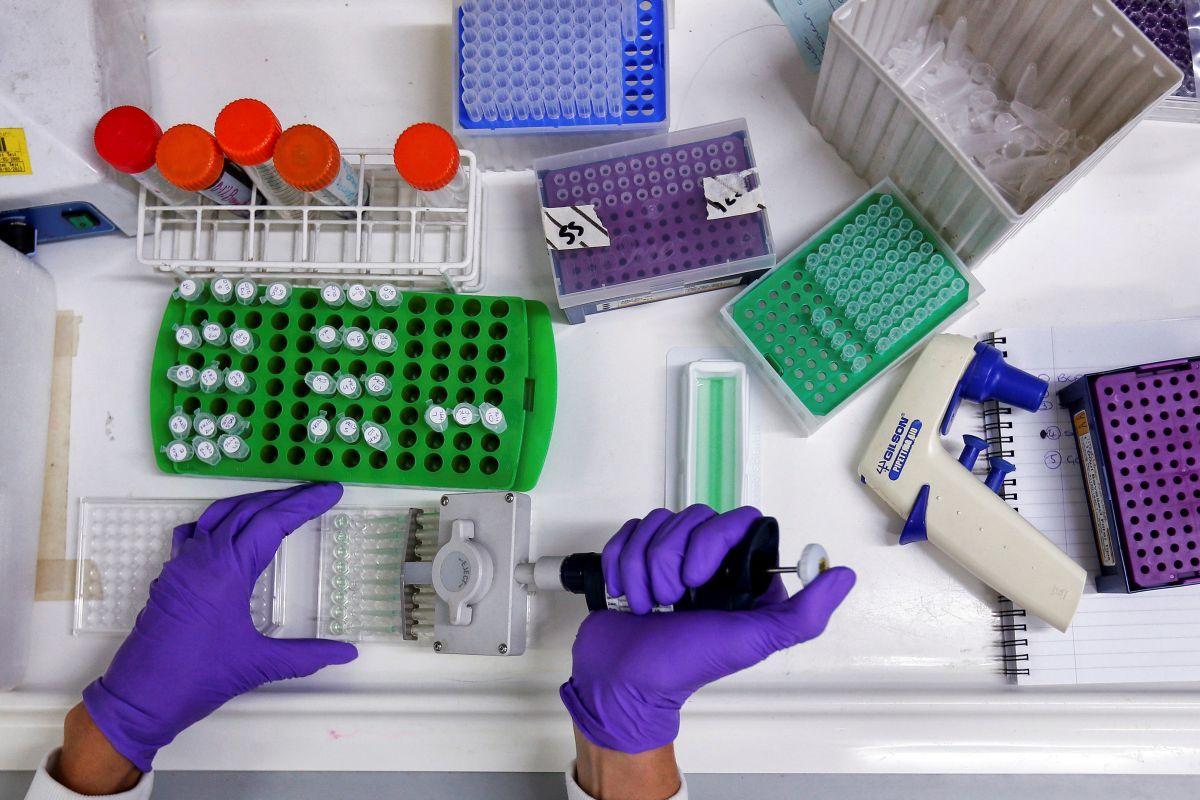
A coronavirus outbreak in Ukraine has raised the issue of U.S. virus research laboratories that work the country.
According to UNIAN, the U.S. Embassy in Ukraine has responded to a request made by lawmakers from the Opposition Platform – For Life parliamentary faction Renat Kuzmin and Viktor Medvedchuk. Recently, the two sent an inquiry to Ukrainian President Volodymyr Zelensky about 15 U.S. biological laboratories operating in Ukraine under Pentagon supervision.
On April 14, Kuzmin posted a copy of the request on his Facebook page. It says outbreaks of various viruses were recorded during these laboratories' work in Ukraine, which resulted in deaths.
At the same time, the Ukrainian authorities have already found violations in the work of these laboratories that could be the cause of virus leaks, the authors said.
The lawmakers reiterated the laboratories had started working during the governments of Viktor Yushchenko and Yulia Tymoshenko, then stopped when Viktor Yanukovych came to power, and resumed work under Petro Poroshenko's presidency.
In this regard, Kuzmin and Medvedchuk asked Zelensky to explain how these laboratories are financed and how the Ukrainian authorities control them.
On April 22, the U.S. Embassy in Ukraine posted an official statement on this issue.
"Here in Ukraine, the U.S. Department of Defense's Biological Threat Reduction Program works with the Ukrainian Government to consolidate and secure pathogens and toxins of security concern in Ukrainian government facilities, while allowing for peaceful research and vaccine development," the Embassy said on its official website.
The Embassy reiterated the Science and Technology Center in Ukraine (STCU), an intergovernmental organization, was established by international agreement in October 1993. The current Parties to the STCU are Azerbaijan, the European Union, Georgia, Moldova, Ukraine, the United States, and Uzbekistan.
"Our joint efforts help to ensure that dangerous pathogens do not fall into the wrong hands. We're proud to partner with the Ministry of Health, State Service of Ukraine for Food Safety and Consumer Protection, National Academy of Agrarian Sciences, and the Ministry of Defense to make us all safer," reads the report.
The Embassy says the information mentioned by Kuzmin and Medvedchuk in the inquiry mirrors Russian disinformation.
23.04.2020 17:16


 Latest news
Latest news
Latest newsGeorgia’s Constitutional Court Continues Case on Banning Opposition Parties: Political Pluralism at Stake
12.Oct.2026
Azerbaijan and Iran Step Up Security Contacts Amid Hijab Protests
12.Oct.2026
Personnel Shortages Complicate Ukrainian Forces’ Rotation: Ukraine Faces Long-Term Challenges on the Front Line
11.Oct.2026
Trump Eases Sanctions on Russian Fuel After Talks with Putin: Kyiv Fears Boost to Moscow’s War Revenues
10.Oct.2026
Putin Seeks to Strengthen Russia’s Influence in the Post-Soviet Space Through the CIS
10.Oct.2026
Russia and the South Caucasus: External Pressure, Political Competition and a Crisis of Trust
10.Oct.2026
Peaceful Settlement Between Armenia and Azerbaijan: Moving from Declarations to Implementation
10.Oct.2026
Moldova Ready to Accept as Many Ukrainians as Necessary if Situation Worsens This Winter
09.Oct.2026
Turkmenistan Turns Avaza into a Regional Diplomatic Hub as Caspian, Central Asian and CIS Agendas Converge
08.Oct.2026
Romania Scrambles Spanish F-18s After Aerial Targets Detected Near Ukrainian Border
07.Oct.2026
Berlin Deepens Defence Partnership with Kyiv: Germany to Provide Ukraine with €1 Billion in Military Aid
07.Oct.2026
European Parliament Against Georgian Dream: EU Prepares New Response to Tbilisi
06.Oct.2026
Bulgarian Foreign Minister to Discuss European Security and International Law in the Netherlands
05.Oct.2026
Rheinmetall in Bulgaria: Sofia Emerges as a New NATO Defence-Industrial Hub in the Balkans
05.Oct.2026
The Cost of a Long War: Moscow Expands Spending Plans Through 2029
05.Oct.2026