
 13 Oct 2026









Russia Withdraws from the European Convention for the Prevention of Torture
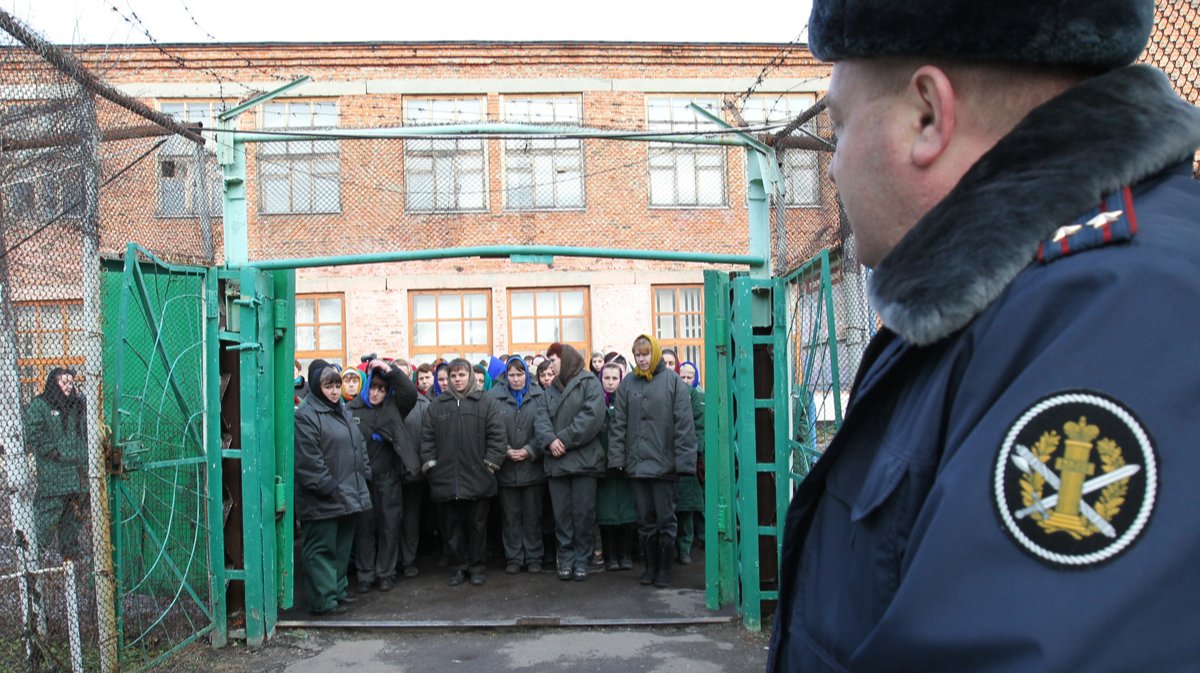
On September 29, President Vladimir Putin signed a law
withdrawing Russia from the European Convention for the Prevention of Torture
and Inhuman or Degrading Treatment or Punishment. According to the document,
Moscow argues that it has lost the ability to fully participate in the
activities of the European Committee for the Prevention of Torture, and
therefore maintaining membership has become “meaningless”.
The European Convention was signed in 1987 and entered into
force for Russia in 1998. It provided for regular visits by independent experts
to places of detention to monitor respect for human rights.
Following Russia’s withdrawal from the Council of Europe in
2022, its participation in the work of the Convention’s mechanisms was effectively
frozen.
Critics note that the decision to withdraw from the
Convention reduces the level of international oversight of human rights
protection in the country. Russian authorities, however, claim that the
mechanisms of the Council of Europe have become “politicized” and are being
“used against Russia”.
In effect, Russia is depriving itself of an international
tool that ensured transparency in its penitentiary system. For the authorities,
this is a convenient step amid mounting pressure from the war and mobilization
processes. However, for society and the international community, it appears as
a signal of further rollback of human rights safeguards.
The withdrawal from the Convention may intensify criticism
of Moscow from the UN and other international organizations, and could also
become another argument for Russia’s opponents in international courts and
tribunals.


 Latest news
Latest news
Latest newsGeorgia’s Constitutional Court Continues Case on Banning Opposition Parties: Political Pluralism at Stake
12.Oct.2026
Azerbaijan and Iran Step Up Security Contacts Amid Hijab Protests
12.Oct.2026
Personnel Shortages Complicate Ukrainian Forces’ Rotation: Ukraine Faces Long-Term Challenges on the Front Line
11.Oct.2026
Trump Eases Sanctions on Russian Fuel After Talks with Putin: Kyiv Fears Boost to Moscow’s War Revenues
10.Oct.2026
Putin Seeks to Strengthen Russia’s Influence in the Post-Soviet Space Through the CIS
10.Oct.2026
Russia and the South Caucasus: External Pressure, Political Competition and a Crisis of Trust
10.Oct.2026
Peaceful Settlement Between Armenia and Azerbaijan: Moving from Declarations to Implementation
10.Oct.2026
Moldova Ready to Accept as Many Ukrainians as Necessary if Situation Worsens This Winter
09.Oct.2026
Turkmenistan Turns Avaza into a Regional Diplomatic Hub as Caspian, Central Asian and CIS Agendas Converge
08.Oct.2026
Romania Scrambles Spanish F-18s After Aerial Targets Detected Near Ukrainian Border
07.Oct.2026
Berlin Deepens Defence Partnership with Kyiv: Germany to Provide Ukraine with €1 Billion in Military Aid
07.Oct.2026
European Parliament Against Georgian Dream: EU Prepares New Response to Tbilisi
06.Oct.2026
Bulgarian Foreign Minister to Discuss European Security and International Law in the Netherlands
05.Oct.2026
Rheinmetall in Bulgaria: Sofia Emerges as a New NATO Defence-Industrial Hub in the Balkans
05.Oct.2026
The Cost of a Long War: Moscow Expands Spending Plans Through 2029
05.Oct.2026