
 13 Oct 2026









Between a Rock and a Hard Place: The Political Situation Forces Netanyahu into a Difficult Choice
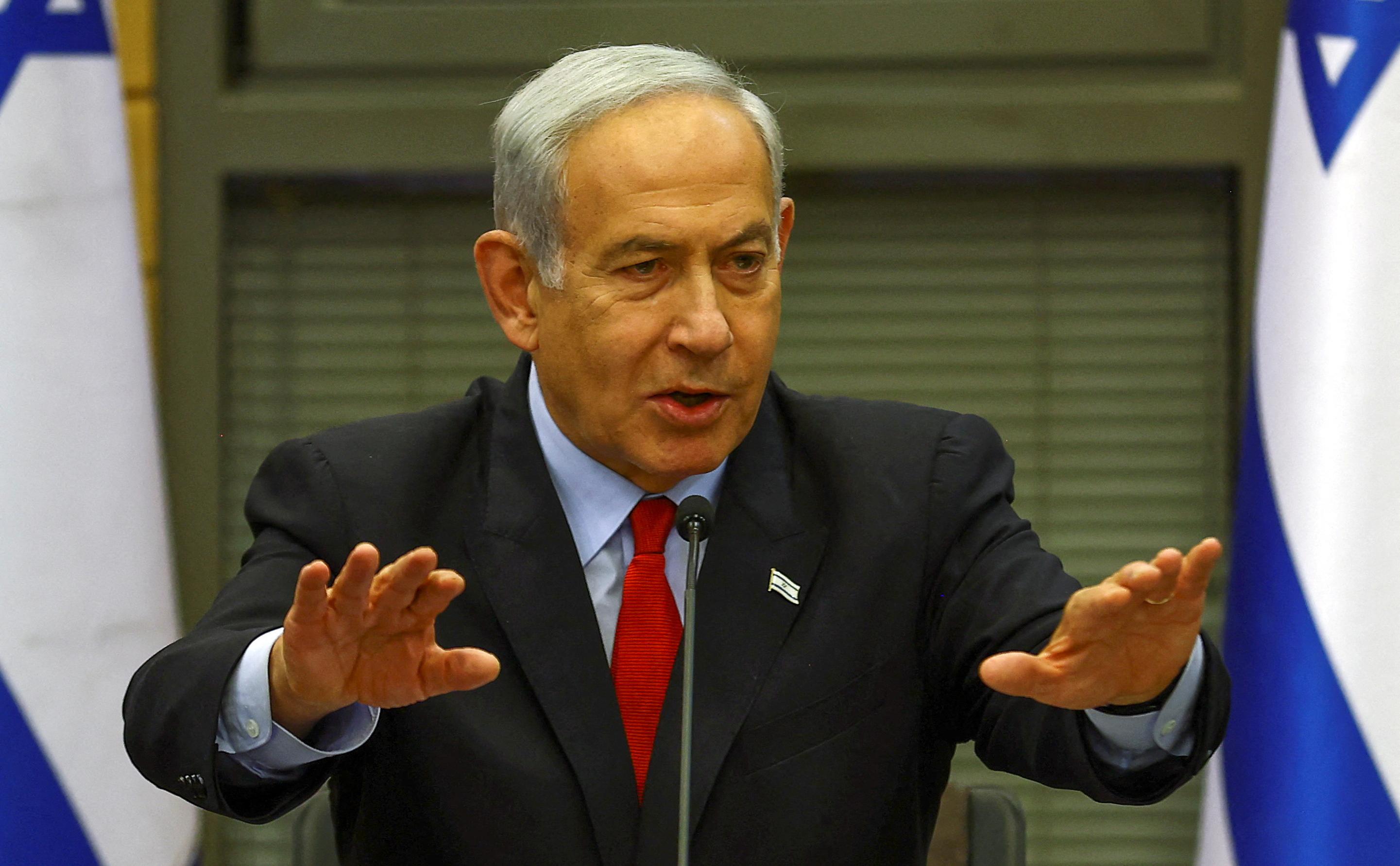
A week has passed since the
signing of the peace agreement in Gaza. During this time, the truce has been
violated several times under various pretexts. Recently, Israel carried out
massive airstrikes on the city of Khan Younis and several other areas of the
Gaza Strip. At the same time, both sides – Israel and Hamas – continue to
declare their commitment to the peace agreement.
Against
this backdrop, Israeli Prime Minister Benjamin Netanyahu has announced his
intention to run for re-election in November next year. However, despite his
political resilience, several factors may prevent Netanyahu from passing the
“pre-election qualification” this time.
After
two years of war in Gaza, Israel has failed to achieve its strategic
objectives. Hamas has not been destroyed, and control over the Gaza Strip is
expected to be handed over to third parties. The return of hostages can only be
considered a minor tactical success, as only part of them survived.
Meanwhile,
the sword of Damocles still hangs over Netanyahu and his family – the
investigation into the so-called “Qatargate” corruption case involving the
Israeli prime minister and his close associates continues. In this context,
former U.S. President Donald Trump’s appeal to Israel’s president to pardon
Netanyahu speaks volumes.
On the
other hand, Netanyahu faces strong pressure, primarily from the far-right
members of his government. The ministers of national security, transportation,
and finance have openly called for the continuation of the war in Gaza.
Thus, the situation places Netanyahu before a difficult choice – to resume the war to avoid internal pressure, or to uphold the peace to avoid external pressure. Clearly, either path puts the Israeli prime minister in a losing position.


 Latest news
Latest news
Latest newsGeorgia’s Constitutional Court Continues Case on Banning Opposition Parties: Political Pluralism at Stake
12.Oct.2026
Azerbaijan and Iran Step Up Security Contacts Amid Hijab Protests
12.Oct.2026
Personnel Shortages Complicate Ukrainian Forces’ Rotation: Ukraine Faces Long-Term Challenges on the Front Line
11.Oct.2026
Trump Eases Sanctions on Russian Fuel After Talks with Putin: Kyiv Fears Boost to Moscow’s War Revenues
10.Oct.2026
Putin Seeks to Strengthen Russia’s Influence in the Post-Soviet Space Through the CIS
10.Oct.2026
Russia and the South Caucasus: External Pressure, Political Competition and a Crisis of Trust
10.Oct.2026
Peaceful Settlement Between Armenia and Azerbaijan: Moving from Declarations to Implementation
10.Oct.2026
Moldova Ready to Accept as Many Ukrainians as Necessary if Situation Worsens This Winter
09.Oct.2026
Turkmenistan Turns Avaza into a Regional Diplomatic Hub as Caspian, Central Asian and CIS Agendas Converge
08.Oct.2026
Romania Scrambles Spanish F-18s After Aerial Targets Detected Near Ukrainian Border
07.Oct.2026
Berlin Deepens Defence Partnership with Kyiv: Germany to Provide Ukraine with €1 Billion in Military Aid
07.Oct.2026
European Parliament Against Georgian Dream: EU Prepares New Response to Tbilisi
06.Oct.2026
Bulgarian Foreign Minister to Discuss European Security and International Law in the Netherlands
05.Oct.2026
Rheinmetall in Bulgaria: Sofia Emerges as a New NATO Defence-Industrial Hub in the Balkans
05.Oct.2026
The Cost of a Long War: Moscow Expands Spending Plans Through 2029
05.Oct.2026