
 13 Oct 2026









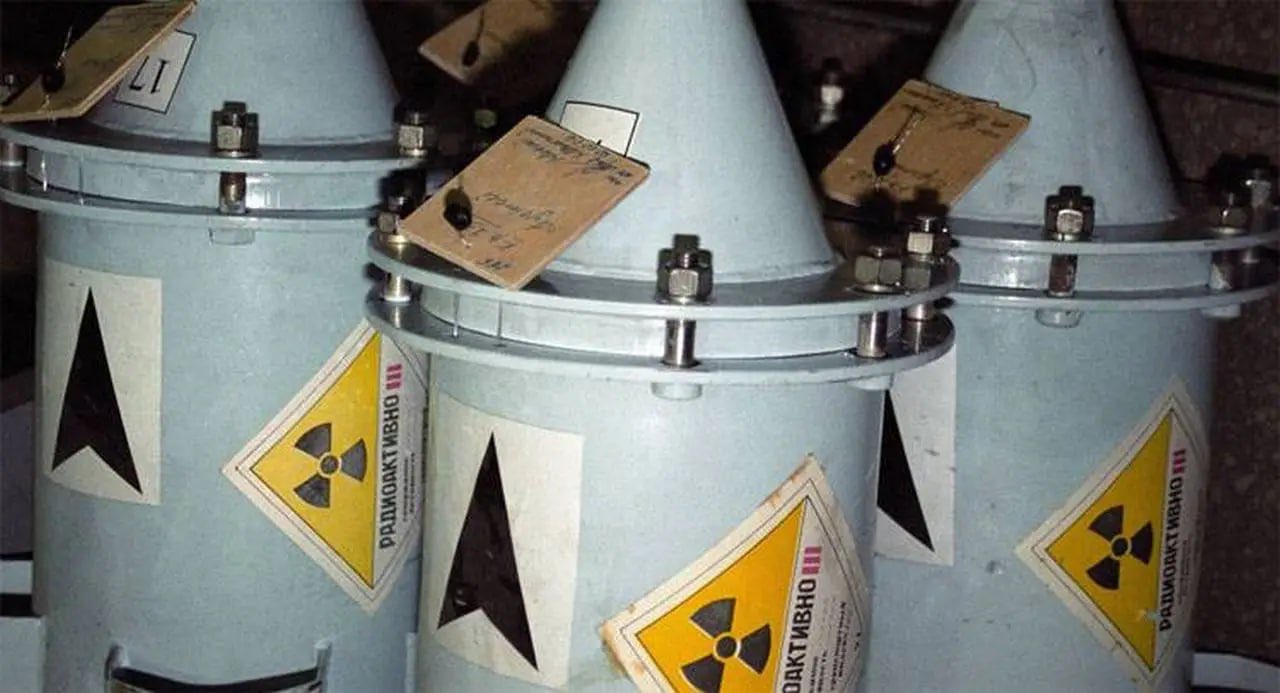
State Duma Denounces Plutonium Disposal Agreement with the United States
The
State Duma of the Russian Federation has officially adopted a law denouncing
the agreement with the United States on the disposal of weapons-grade
plutonium. The document was supported by the majority of deputies from all
parliamentary factions, with only a few abstentions.
The agreement, signed in 2000, envisaged the disposal of 34
tons of surplus weapons-grade plutonium by each side. The goal of the treaty
was to reduce the stockpiles of fissile materials suitable for producing
nuclear weapons and to strengthen mutual trust between Moscow and Washington.

According to State Duma Speaker Vyacheslav Volodin, the
decision to withdraw from the agreement was prompted by “the aggressive policy
of the United States and its loss of capacity for equal dialogue on strategic
stability issues”. He stressed that “Russia can no longer consider itself bound
by an agreement violated by the other party”.
The explanatory note to the bill states that Washington
allegedly failed to fulfill its obligations regarding the technological process
for plutonium reprocessing and in fact suspended the practical implementation
of the agreement.
Analysts note that the decision to denounce the treaty fits
into the Kremlin’s broader course toward dismantling the remaining elements of
the bilateral arms control system established after the Cold War. Earlier,
Russia had suspended participation in the New START Treaty and agreements on
nuclear site inspections.
According to experts, the withdrawal from the plutonium
agreement is more a
political than a technical step, symbolizing a final rupture
between Moscow and Washington in the field of nuclear security.
Some Russian lawmakers have stated that Russia can now independently manage its accumulated plutonium, including using it for scientific purposes and in next-generation nuclear energy projects. However, Western observers express concern that this move could increase the risk of a renewed nuclear arms race.


 Latest news
Latest news
Latest newsGeorgia’s Constitutional Court Continues Case on Banning Opposition Parties: Political Pluralism at Stake
12.Oct.2026
Azerbaijan and Iran Step Up Security Contacts Amid Hijab Protests
12.Oct.2026
Personnel Shortages Complicate Ukrainian Forces’ Rotation: Ukraine Faces Long-Term Challenges on the Front Line
11.Oct.2026
Trump Eases Sanctions on Russian Fuel After Talks with Putin: Kyiv Fears Boost to Moscow’s War Revenues
10.Oct.2026
Putin Seeks to Strengthen Russia’s Influence in the Post-Soviet Space Through the CIS
10.Oct.2026
Russia and the South Caucasus: External Pressure, Political Competition and a Crisis of Trust
10.Oct.2026
Peaceful Settlement Between Armenia and Azerbaijan: Moving from Declarations to Implementation
10.Oct.2026
Moldova Ready to Accept as Many Ukrainians as Necessary if Situation Worsens This Winter
09.Oct.2026
Turkmenistan Turns Avaza into a Regional Diplomatic Hub as Caspian, Central Asian and CIS Agendas Converge
08.Oct.2026
Romania Scrambles Spanish F-18s After Aerial Targets Detected Near Ukrainian Border
07.Oct.2026
Berlin Deepens Defence Partnership with Kyiv: Germany to Provide Ukraine with €1 Billion in Military Aid
07.Oct.2026
European Parliament Against Georgian Dream: EU Prepares New Response to Tbilisi
06.Oct.2026
Bulgarian Foreign Minister to Discuss European Security and International Law in the Netherlands
05.Oct.2026
Rheinmetall in Bulgaria: Sofia Emerges as a New NATO Defence-Industrial Hub in the Balkans
05.Oct.2026
The Cost of a Long War: Moscow Expands Spending Plans Through 2029
05.Oct.2026