
 20 Sep 2026









- Russia is facing lower levels of oil production;
- its refining capacity is increasingly vulnerable to attacks and technical constraints;
- sanctions and the need to redirect export flows toward Asian markets are increasing logistical and financial pressures.
Russia is Losing its Oil Buffer: The War is Beginning to Reshape the Country’s Energy Model
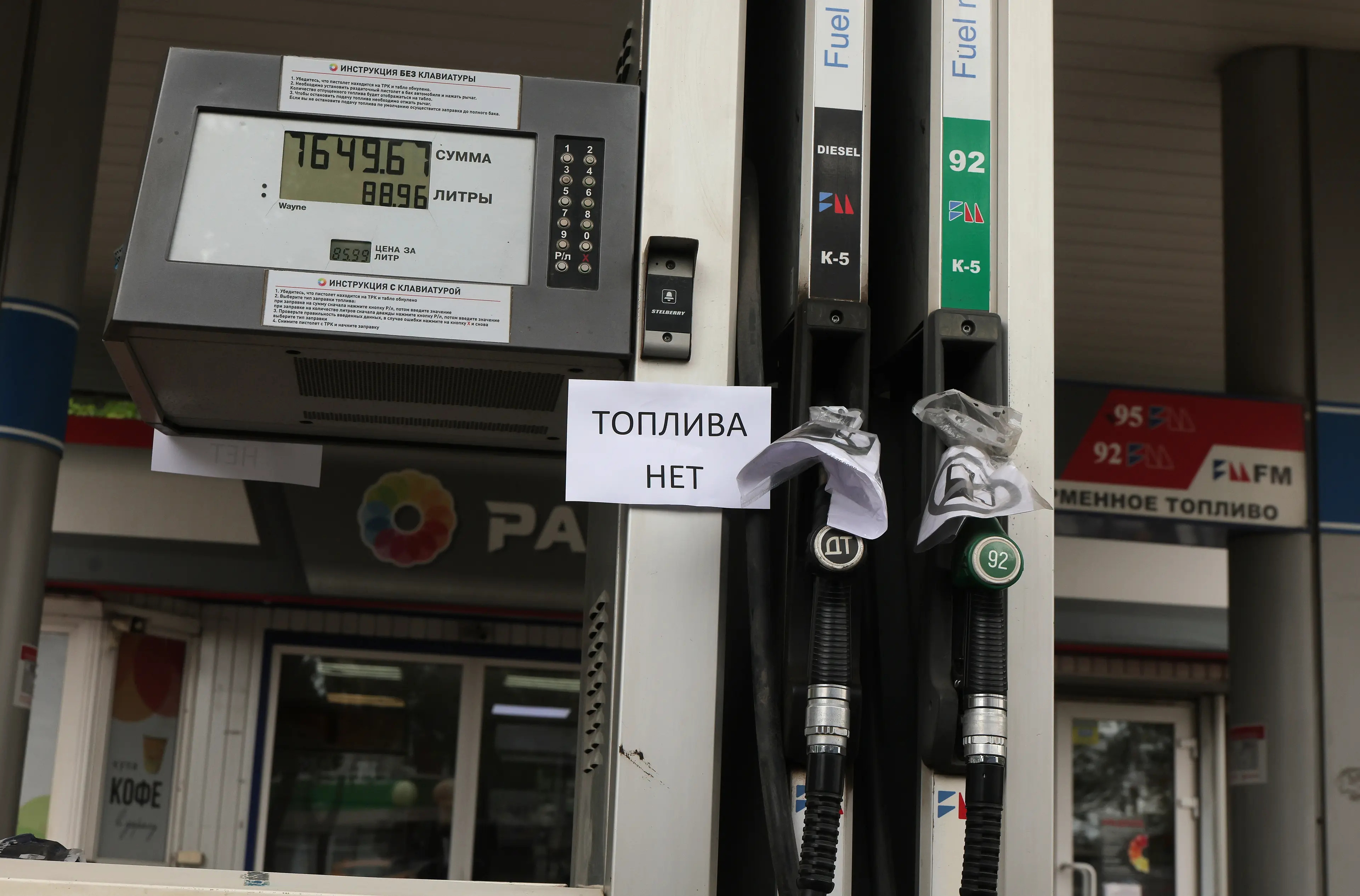
Russia may face its lowest level of oil production in nearly two decades, with output potentially falling below 500 million tonnes per year. According to a draft Russian government forecast, oil and gas condensate production in 2026 could decline to 494.2 million tonnes, or approximately 9.88 million barrels per day. If the forecast is realized, this would be the lowest level since 2009.
Even more significant is the fact that this is not a one-off revision. Russian authorities have simultaneously downgraded their production forecasts through 2029. Compared with the May estimates, projected output has been reduced by 16–20 million tonnes, depending on the year. The final version of the forecast is expected to be approved at the end of September and used in preparing Russia’s state budget.
One of the reasons behind the deterioration in the forecast is the impact of the war and Ukrainian attacks on Russia’s energy infrastructure. Strikes on oil refineries have reduced refining capacity and contributed to disruptions in the domestic fuel market.
Russian authorities, however, continue to emphasize the temporary nature of the problems. Deputy Prime Minister Alexander Novak said that the decline in oil production is primarily linked to current factors, including maintenance work at Russian refineries, and expressed confidence that production would recover once the repairs are completed.
However, the overall data point to a more complex situation. The downward revisions extend across several years, suggesting that the Russian government is already factoring in a lower oil production trajectory not only for the current year but also for the medium term.
The most interesting feature of the new situation is the divergence between production and exports. In 2026, Russia expects to export approximately 244.7 million tonnes of crude oil, around 6% more than in 2025. At the same time, the longer-term forecast envisages exports falling to 232.5 million tonnes in 2027 and to approximately 216.6 million tonnes in 2028–2029.
At first glance, this appears paradoxical. However, the explanation lies in declining domestic refining. If Russian refineries process less crude, part of the oil that would normally be used to produce gasoline, diesel and other petroleum products becomes available for export.
Therefore, the increase in crude oil exports in 2026 should not automatically be interpreted as evidence of a strengthening Russian oil industry. To some extent, it is a consequence of problems within the country’s refining system itself.
For decades, Russia’s energy model has been built around the state’s ability to convert enormous volumes of oil production and hydrocarbon exports into budget revenues. Several parameters are now changing simultaneously:
For now, Moscow can offset part of these problems by increasing crude oil exports. But this strategy has a natural limit: Russia cannot indefinitely increase crude exports while production is declining and domestic demand for fuel remains high.
This is why the outlook beyond 2026 is particularly important. If production stabilizes at around 500 million tonnes or below, while exports begin to decline, pressure on Russia’s oil revenues could intensify.
It should be stressed that the Russian economy is not on the verge of an immediate collapse. The country remains one of the world’s largest oil producers, retains substantial export capabilities and continues to have major buyers in Asia.
However, the nature of the problem is changing. This is no longer simply a matter of sanctions or individual attacks on refineries. A cumulative effect is emerging: restrictions on technology and investment, rising logistics costs, damage to infrastructure, lower refining volumes, restrictions on petroleum product exports and gradually deteriorating production forecasts.
Additional pressure is coming from the global fuel market. Reuters notes that global diesel supplies remain tight due to limited refining capacity and geopolitical conflicts, including the war in Ukraine.
Thus, Russia still retains the ability to offset part of its energy losses through crude oil exports. But this model is becoming increasingly costly. The figure of 494.2 million tonnes is more than just a statistical indicator: it suggests that Russia’s oil industry is entering a period in which the previous model of maintaining or increasing high production volumes is beginning to encounter structural constraints.
CCBS Research Desk


 Latest news
Latest news
Latest newsUS Sanctions Target Russias Main Pillar as Moscow Faces New Pressure on Oil Revenues
19.Sep.2026
Russia Begins State Duma Elections Amid War in Ukraine
18.Sep.2026
Bulgaria Strengthens Protection of Strategic Infrastructure Against Drones and Other Threats
18.Sep.2026
Georgia and Enka: How the Namakhvani Dispute Could Affect the Investment Climate
17.Sep.2026
Una Aleksandra Bērziņa-Čerenkova: After Russia’s Invasion, Latvia Began Banning Russian-Language Media
17.Sep.2026
Rainer Saks: Russia сould lose its influence in Armenia, just as it did in the Baltics
16.Sep.2026
Russian Drones Violated Moldovan Airspace Twice During Zelenskys Trips
16.Sep.2026
Operation Vivaldi: Ukraine Reports Advances Near Lyman as Fighting Intensifies
16.Sep.2026
Kazakhstan and South Korea Elevate Ties to Comprehensive Strategic Partnership
16.Sep.2026
Armenia Energy Diversification: Testing the Limits of Dependence on Russian Gas
15.Sep.2026
Tbilisi Distances Itself from Brussels as Kobakhidze Intensifies Criticism of European Policy
14.Sep.2026
Russia Fuel Crisis Gives the US a New Diplomatic Leverage Tool
14.Sep.2026
Trump Calls on Zelenskyy to Stop Strikes on Russian Oil Infrastructure
13.Sep.2026
Ukraine Expands Pressure on Russia’s Shadow Fleet: Moscow’s Oil Logistics Under Threat
13.Sep.2026
The Riga Conference: Europe Prepares for Long-Term Confrontation with Russia and Reshapes Its Security Architecture
12.Sep.2026