
 13 Oct 2026









Turkey has tested a hypersonic missile
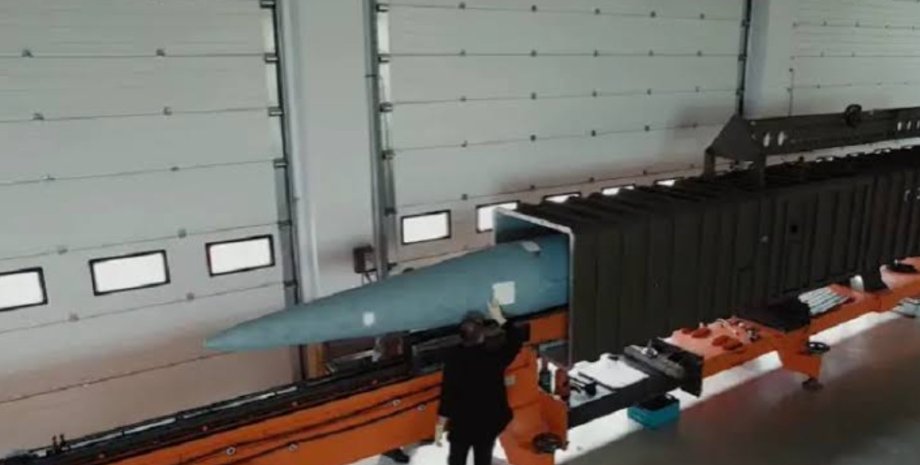
The Turkish defense company Roketsan, specializing in missile production, has developed and begun testing a hypersonic variant of its short-range ballistic missile Tayfun (SRBM).
The new hypersonic missile variant can reach speeds of 5.5 Mach. Hypersonic missiles, characterized by their ability to travel at speeds five times that of sound, are considered a game-changer in modern warfare due to their unprecedented speed and maneuverability, making them extremely difficult to detect and intercept.
The development of the hypersonic variant of the Tayfun missile underscores Turkey's growing ambitions to enhance its strategic and defense capabilities. Traditionally, missile technology has been a key component of Turkey's defense policy, and the addition of hypersonic capabilities represents a significant enhancement of its deterrent and offensive potential.
The Tayfun missile in its SRBM configuration is known for its precision strike capabilities at ranges from 300 to 1,000 km. With the new hypersonic variant, the missile will increase in speed, range, and lethality.
Key characteristics of the Tayfun missile include dimensions of 6.5 meters in length and 610 mm in diameter, with a launch weight of 2,300 kg. Its accuracy, based on an inertial and jamming-resistant satellite navigation system, is within 10 meters. While the size of the warhead is not disclosed, it is estimated to be around 470 kg.


 Latest news
Georgia’s Constitutional Court Continues Case on Banning Opposition Parties: Political Pluralism at Stake
12.Oct.2026
Azerbaijan and Iran Step Up Security Contacts Amid Hijab Protests
12.Oct.2026
Personnel Shortages Complicate Ukrainian Forces’ Rotation: Ukraine Faces Long-Term Challenges on the Front Line
11.Oct.2026
Trump Eases Sanctions on Russian Fuel After Talks with Putin: Kyiv Fears Boost to Moscow’s War Revenues
10.Oct.2026
Putin Seeks to Strengthen Russia’s Influence in the Post-Soviet Space Through the CIS
10.Oct.2026
Russia and the South Caucasus: External Pressure, Political Competition and a Crisis of Trust
10.Oct.2026
Peaceful Settlement Between Armenia and Azerbaijan: Moving from Declarations to Implementation
10.Oct.2026
Moldova Ready to Accept as Many Ukrainians as Necessary if Situation Worsens This Winter
09.Oct.2026
Turkmenistan Turns Avaza into a Regional Diplomatic Hub as Caspian, Central Asian and CIS Agendas Converge
08.Oct.2026
Romania Scrambles Spanish F-18s After Aerial Targets Detected Near Ukrainian Border
07.Oct.2026
Berlin Deepens Defence Partnership with Kyiv: Germany to Provide Ukraine with €1 Billion in Military Aid
07.Oct.2026
European Parliament Against Georgian Dream: EU Prepares New Response to Tbilisi
06.Oct.2026
Bulgarian Foreign Minister to Discuss European Security and International Law in the Netherlands
05.Oct.2026
Rheinmetall in Bulgaria: Sofia Emerges as a New NATO Defence-Industrial Hub in the Balkans
05.Oct.2026
The Cost of a Long War: Moscow Expands Spending Plans Through 2029
05.Oct.2026