
 24 Aug 2026









Breaking with some Mideast neighbors, Iran now lets mothers give their citizenship to their children
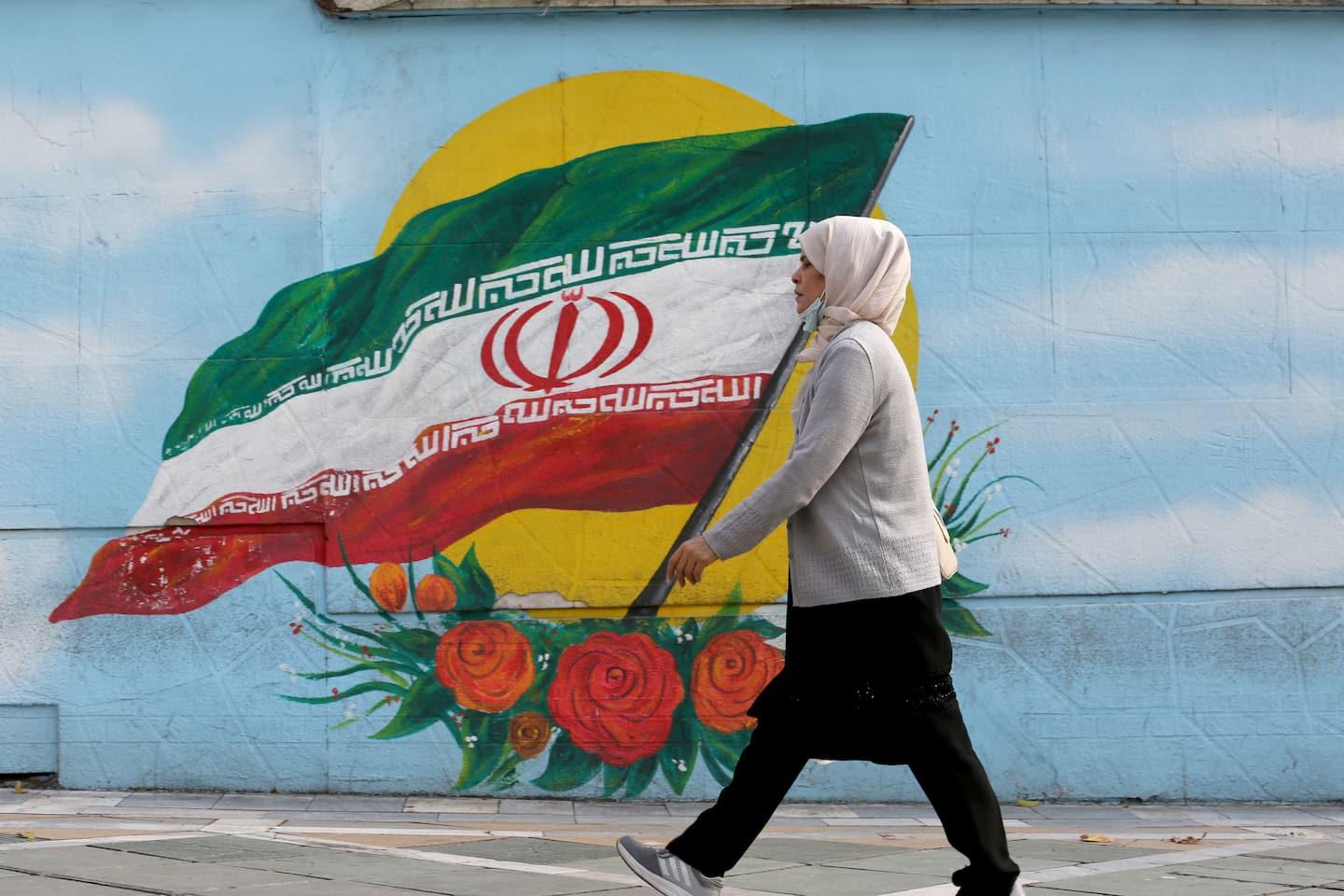
Until lawmakers created a pathway to citizenship for excluded children, only Iranian men could pass on their nationality to their children at birth. That has often left children born to Iranian mothers and non-Iranian fathers stateless and without equal access to education, employment, health care and social services.
Ali, a former employee of Afghanistan’s consulate in the Iranian capital, Tehran, and his Iranian wife have three children. But he said they are not yet rushing to register their children.
“Under this new law, I have heard that the first cases are special ones where the father is somehow an influential person,” he said, giving only his first name to protect his family.
Still, many mothers experienced relief after the parliament last year amended the existing nationality law to expand citizenship rights, said Farha Bhoyroo, an Iran-based communications officer for the United Nations High Commissioner for Refugees.
“This nationality law is a step closer to putting mothers and fathers on equal footing,” she said. “It’s a very significant improvement, albeit gradual.”
Worldwide, 25 countries bar women from passing citizenship to children, while more than 50 have other discriminatory nationality laws such as those that, for example, permit only men to pass on citizenship to a foreign spouse, according to UNHCR.
“Gender discrimination in nationality laws undermines women’s equal citizenship and results in wide-ranging rights violations and hardships for affected families, including obstacles to accessing education, healthcare, employment, family unity, freedom of movement, inheritance and property rights,” said Catherine Harrington, manager of UNHCR’s Global Campaign for Equal Nationality Rights, in a statement in September.
While Iran’s nationality laws predate the 1979 Islamic revolution, Mohsen Kazempour, a co-founder of the Datikan Legal Institute in Tehran, said the current bias against foreigners is in part rooted in a nationalist hysteria that followed the revolution and the eight-year war between Iran and Iraq.
“Iran was at war with Iraq, and Iraq was supported by many foreign nations,” he said. “So the Iranian government was very concerned about the penetration of secret agents in the government or army.”
In 2006, Iran’s parliament amended the nationality law to allow foreigners, including children of Iranian mothers and non-Iranian fathers, to apply for citizenship after they turned 18 and if they met certain conditions, like security checks. In practice, few applied and got it.
Bhoyroo of UNHCR said momentum toward reform has been building in part due to “a gradual progressive move to document and register Afghans.” Refugees in Iran have been particularly hard hit by dire economic conditions, partly because of the Trump administration’s sanctions on the country.
Among those who have been fortunate to receive citizenship is a girl born to an Afghan father and who recently lost her Iranian mother, a nurse, to covid-19, said Bhoyroo. In another case, a girl lost her Iraqi father after he went to fight the Islamic State in Syria at Iran’s behest, Middle East Eye reported. In both instances, Iranian citizenship has been a path to documentation, like an identify card or passport, that offers greater security and opportunities.
The reforms, however, still do not treat mothers and fathers as equal. While an Iranian father automatically passes his citizenship to his children, an Iranian mother must apply on behalf of the children, and that can entail daunting security checks.
Some mixed couples just don’t see a place for themselves in Iran.
“The first day we went to the immigration office to submit the [marriage] application there was a sign on a door saying, ‘The marriage of an Iranian woman and an Afghan man is forbidden.’ We were shocked,” he said.
Fed up with discrimination and concerned about what his children would face, Firouz and his family eventually moved to Afghanistan.
Nader Durgham contributed to this report.


 Latest news
Latest news
Latest newsThe United States Rapidly Expands Missile Production: Pentagon Accelerates Output of Tomahawks and Other Critical Weapons
24.Aug.2026
Record Supplies: Armenia Boosts Fish Exports to Georgia
23.Aug.2026
Political Battle During Wartime: Zelensky Opposes Elections
23.Aug.2026
Romania Approves Construction of One of the Largest Solar Power Plants in Europe
23.Aug.2026
Ex-Ukrainian Defence Minister Fails in Bid to Pressure Zelenskiy
22.Aug.2026
Upper Lars: Why Border Queues Have Become a Political Signal for Georgia and Russia
22.Aug.2026
Russia-Ukraine War: No Decisive Breakthrough on the Front and Intensifying Ukrainian Deep Strikes on Russia
21.Aug.2026
TRIPP, Peace, and a New Geopolitical Crossroads: How Armenia Has Changed One Year After Washington
20.Aug.2026
Tokayev Updates Kazakhstan Foreign Policy Concept: Astana Strengthens Its Strategic Multi Vector Approach
19.Aug.2026
Ukraine Turns Ground Robots into a New Tool in the Fight Against Russia
19.Aug.2026
Tehran Threatens a New Round of War After Talks With the US Collapse
18.Aug.2026
Drones Over Moldova: Accident or a New Threat to National Security?
17.Aug.2026
Spanish F-18 Fighter Jet Shoots Down Drone That Violated Romanian Airspace
17.Aug.2026
The Black Sea Becomes a Risk Zone: Can Turkiye Protect Key Trade Routes?
16.Aug.2026
Ukraine Intensifies Long-Range Strikes: Flamingo Missiles Hit a Rocket and Space Center and Airbase in Russia
15.Aug.2026