
 23 Aug 2026









Turkiye and Iraq Extend Kirkuk–Ceyhan Pipeline Agreement, Seeking to Restore Oil Exports
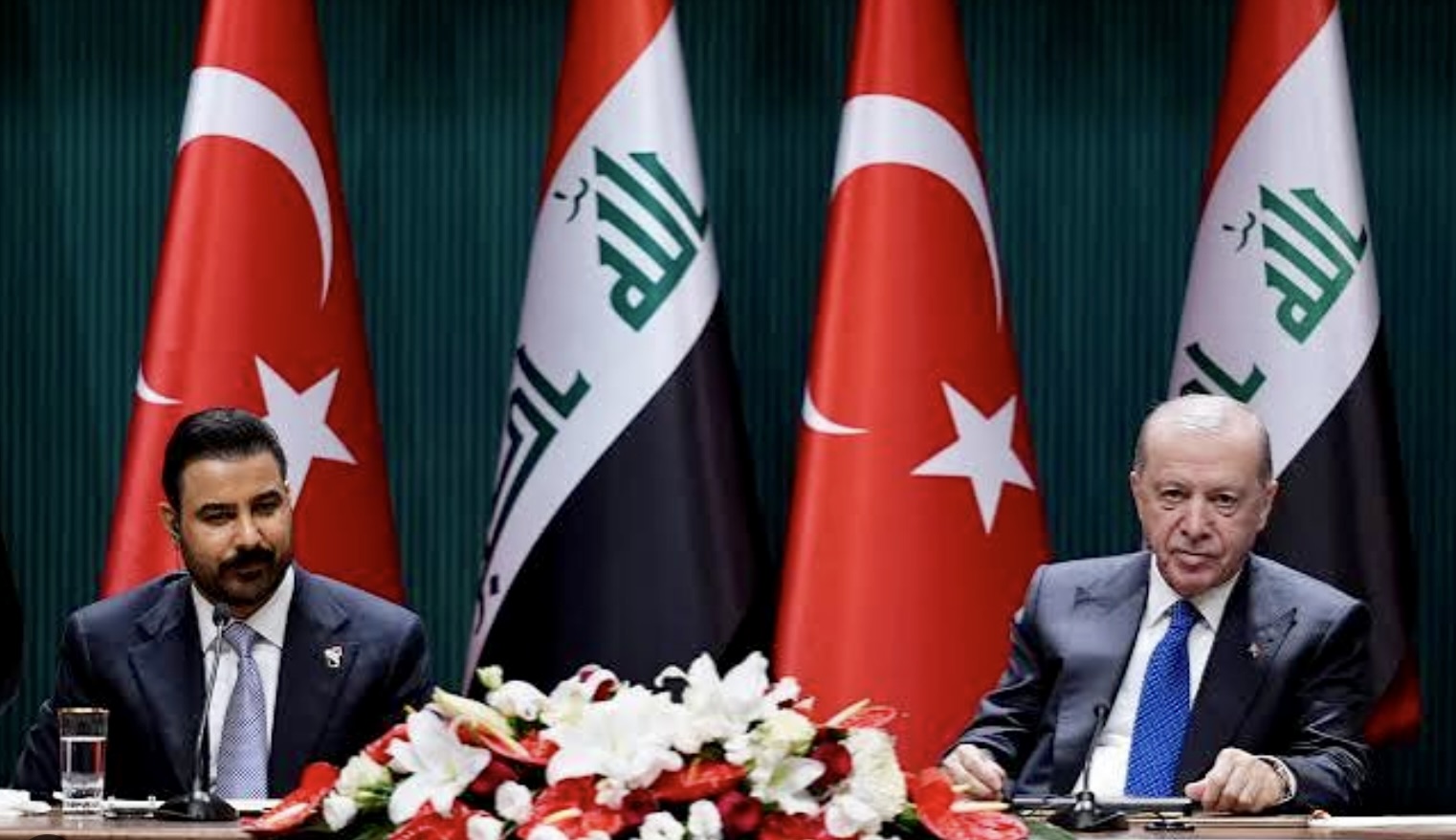
Turkiye
and Iraq have signed a new agreement on the operation of the Kirkuk–Ceyhan oil pipeline, extending its validity for
another year. The agreement provides the legal framework for the resumption of
full-scale Iraqi oil exports through the Turkish Mediterranean port of Ceyhan,
one of the region's key energy terminals.
According
to Iraqi officials, the renewed agreement provides for the transportation of
crude oil from northern Iraqi fields through the pipeline, which has a capacity
of up to 750,000 barrels per day. Ankara and
Baghdad also intend to increase throughput in the future once technical and
commercial negotiations between the Iraqi federal government, the Kurdistan
Regional Government (KRG), and international oil companies are completed.

Turkiye and Iraq Sign One-Year Agreement on 750,000-Barrel Oil Pipeline
For
decades, the Kirkuk–Ceyhan pipeline has served as one of Iraq's most important
oil export routes. However, its operations were effectively suspended in March
2023 following an arbitration ruling by the International Chamber of Commerce,
which ordered Turkiye to compensate Iraq for unauthorized exports of oil from
the Kurdistan Region. Since then, the two sides have held lengthy negotiations
aimed at restoring exports and agreeing on new operational terms for the
pipeline.
The
new agreement comes amid continued instability in the Middle East and growing
risks to global energy markets. Ongoing tensions surrounding the Strait of
Hormuz, through which a significant share of the world's oil exports passes,
have increased interest in alternative supply routes. In this context, the
Kirkuk–Ceyhan pipeline has gained additional strategic importance as one of the
region's safest overland energy corridors.
The
restoration of the pipeline's full operations is also important for Turkiye's
ambition to strengthen its position as a major energy transit hub between the
Middle East and Europe. The Ceyhan terminal already handles crude oil exports
from Azerbaijan via the Baku–Tbilisi–Ceyhan (BTC)
pipeline, as well as oil from selected Iraqi fields. Higher
volumes of Iraqi crude would increase the utilization of Turkiye's energy
infrastructure and generate additional transit revenues.
Analysts note that the extension of the
agreement reflects Ankara's and Baghdad's determination to keep energy
cooperation separate from political disagreements. At the same time, the full
resumption of exports will depend on resolving outstanding disputes between the
Iraqi federal government, the Kurdistan Regional Government, and international
oil companies over revenue-sharing mechanisms and production arrangements. If a
compromise is reached, exports through the pipeline could resume within the
coming months, with significant implications for regional oil markets and
Europe's energy security.


 Latest news
Latest news
Latest newsRecord Supplies: Armenia Boosts Fish Exports to Georgia
23.Aug.2026
Political Battle During Wartime: Zelensky Opposes Elections
23.Aug.2026
Romania Approves Construction of One of the Largest Solar Power Plants in Europe
23.Aug.2026
Ex-Ukrainian Defence Minister Fails in Bid to Pressure Zelenskiy
22.Aug.2026
Upper Lars: Why Border Queues Have Become a Political Signal for Georgia and Russia
22.Aug.2026
Russia-Ukraine War: No Decisive Breakthrough on the Front and Intensifying Ukrainian Deep Strikes on Russia
21.Aug.2026
TRIPP, Peace, and a New Geopolitical Crossroads: How Armenia Has Changed One Year After Washington
20.Aug.2026
Tokayev Updates Kazakhstan Foreign Policy Concept: Astana Strengthens Its Strategic Multi Vector Approach
19.Aug.2026
Ukraine Turns Ground Robots into a New Tool in the Fight Against Russia
19.Aug.2026
Tehran Threatens a New Round of War After Talks With the US Collapse
18.Aug.2026
Drones Over Moldova: Accident or a New Threat to National Security?
17.Aug.2026
Spanish F-18 Fighter Jet Shoots Down Drone That Violated Romanian Airspace
17.Aug.2026
The Black Sea Becomes a Risk Zone: Can Turkiye Protect Key Trade Routes?
16.Aug.2026
Ukraine Intensifies Long-Range Strikes: Flamingo Missiles Hit a Rocket and Space Center and Airbase in Russia
15.Aug.2026
Burgas Selected to Host the 71st Eurovision Song Contest in 2027
14.Aug.2026