
 23 Aug 2026









Bulgaria Determined to Maintain Air Defense Capabilities as Debate Grows Over Possible Purchase of Polish MiG-29s
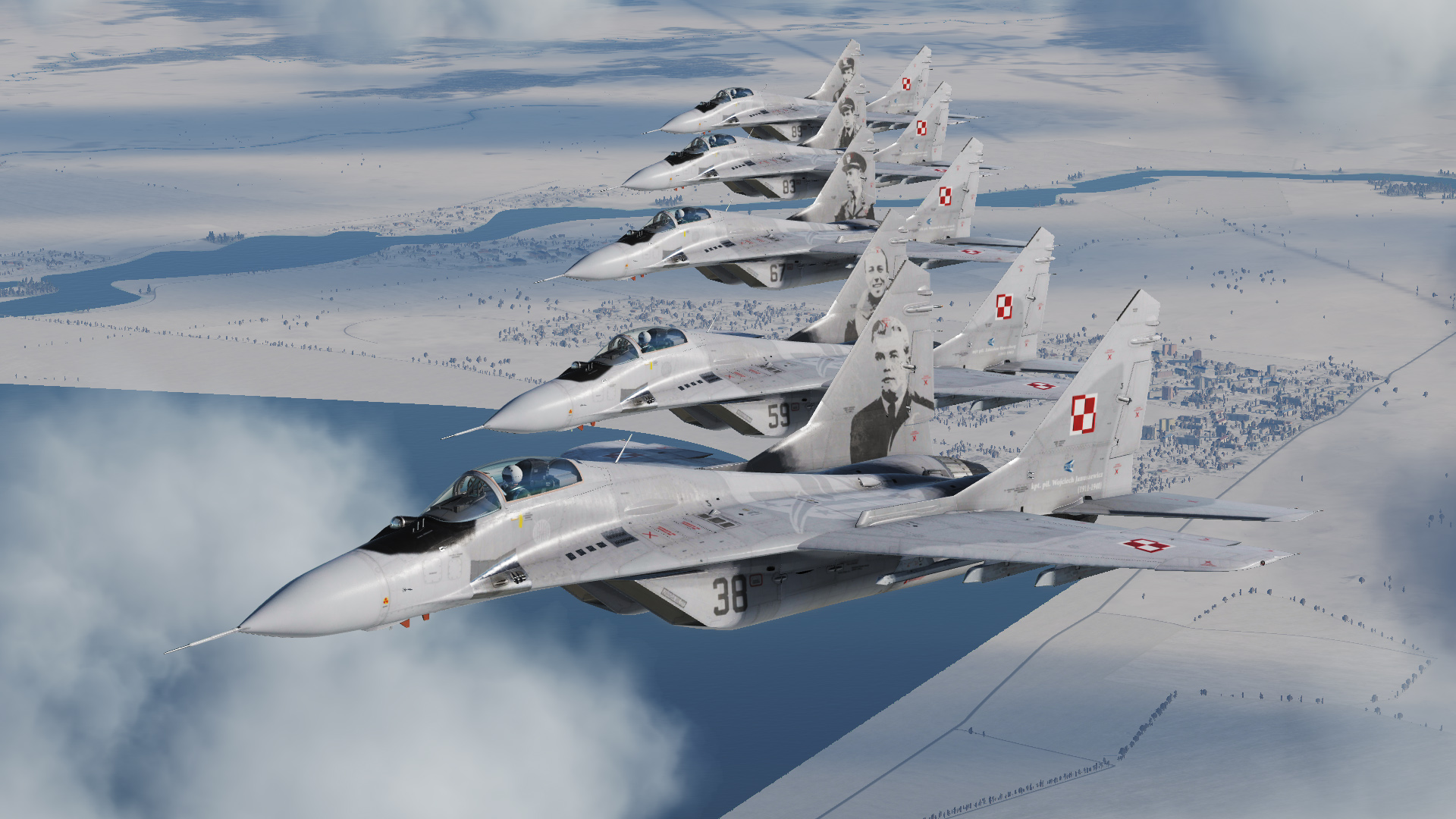
A political debate continues in Bulgaria over
the possible acquisition of Polish MiG-29 fighter jets and spare parts for the
country's Air Force. The discussion intensified after Polish officials stated
that Sofia had expressed interest in aircraft that had previously been
considered for transfer to Ukraine. However, Bulgaria's Ministry of Defense has
officially denied that negotiations with Warsaw on purchasing MiG-29s are
currently underway, while emphasizing that maintaining the operational
readiness of the Bulgarian Air Force remains a national priority.
The issue has sparked heated discussions in Parliament.
Opposition lawmakers have criticized Defense Minister Atanas Zapryanov,
demanding clarification following statements made by Polish officials. In
response, the Ministry of Defense reiterated that Bulgaria remains fully
committed to its long-term modernization program centered on the introduction
of U.S.-made F-16 Block 70 fighter jets.
Despite these assurances, military analysts note that
Bulgaria must preserve its existing air defense capabilities until the new F-16
fleet reaches full operational readiness. Bulgaria is one of the NATO members
that independently conducts its Air Policing mission, and prematurely retiring
the MiG-29 fleet could create a temporary capability gap in the country's air
defense.
According to several defense publications, Bulgaria's
reported interest may be focused less on acquiring additional combat aircraft
and more on obtaining spare parts to extend the service life of its existing
MiG-29 fleet. Such a solution would allow the Air Force to maintain operational
readiness during the transition to Western-made aircraft.

From
a national security perspective, Bulgaria's approach appears pragmatic rather
than ideological. Sofia has already made a strategic decision to transition
fully to NATO standards by ordering 16 U.S.-built F-16 Block 70 fighters.
However, such modernization programs require several years for aircraft
deliveries, pilot training, maintenance personnel certification, and the
development of the necessary infrastructure.
Under these circumstances, retaining the MiG-29 fleet is not
a return to Soviet-era equipment but a practical measure aimed at ensuring
uninterrupted air defense capabilities. For a country with a relatively small
combat aviation fleet, even a temporary shortage of operational fighter
aircraft could weaken national security and increase dependence on allied NATO
air assets.
Furthermore, acquiring Polish MiG-29s or spare parts would
allow Bulgaria to maximize the use of its existing maintenance infrastructure
and experienced personnel while avoiding more costly interim solutions. Similar
approaches have been adopted by several European NATO members, which continue
operating legacy Soviet-designed equipment until replacement platforms become
fully operational.
In the longer term, Bulgaria's strategic
course remains unchanged. The country is committed to completing the transition
to the F-16 Block 70 and further integrating its Air Force into NATO's modern
collective defense architecture. Until that process is complete, however,
maintaining the operational capability of the MiG-29 fleet represents a
practical and economically justified solution aimed solely at safeguarding
Bulgaria's national airspace and defense readiness.


 Latest news
Latest news
Latest newsRecord Supplies: Armenia Boosts Fish Exports to Georgia
23.Aug.2026
Political Battle During Wartime: Zelensky Opposes Elections
23.Aug.2026
Romania Approves Construction of One of the Largest Solar Power Plants in Europe
23.Aug.2026
Ex-Ukrainian Defence Minister Fails in Bid to Pressure Zelenskiy
22.Aug.2026
Upper Lars: Why Border Queues Have Become a Political Signal for Georgia and Russia
22.Aug.2026
Russia-Ukraine War: No Decisive Breakthrough on the Front and Intensifying Ukrainian Deep Strikes on Russia
21.Aug.2026
TRIPP, Peace, and a New Geopolitical Crossroads: How Armenia Has Changed One Year After Washington
20.Aug.2026
Tokayev Updates Kazakhstan Foreign Policy Concept: Astana Strengthens Its Strategic Multi Vector Approach
19.Aug.2026
Ukraine Turns Ground Robots into a New Tool in the Fight Against Russia
19.Aug.2026
Tehran Threatens a New Round of War After Talks With the US Collapse
18.Aug.2026
Drones Over Moldova: Accident or a New Threat to National Security?
17.Aug.2026
Spanish F-18 Fighter Jet Shoots Down Drone That Violated Romanian Airspace
17.Aug.2026
The Black Sea Becomes a Risk Zone: Can Turkiye Protect Key Trade Routes?
16.Aug.2026
Ukraine Intensifies Long-Range Strikes: Flamingo Missiles Hit a Rocket and Space Center and Airbase in Russia
15.Aug.2026
Burgas Selected to Host the 71st Eurovision Song Contest in 2027
14.Aug.2026