
 25 Oct 2026









Strike on Tolyatti: Attacks on Petrochemical Infrastructure Pose Additional Risks to Russian Industry
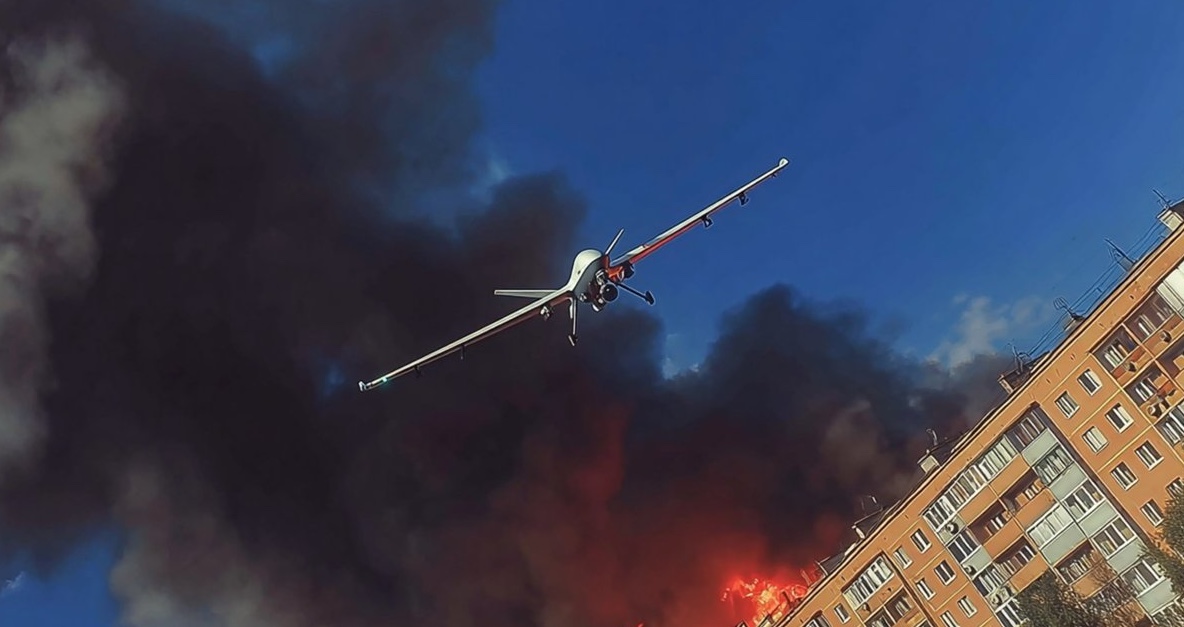
Reports of a strike on the Tolyattikauchuk plant in the Samara Region have once again drawn attention to the vulnerability of Russia’s industrial infrastructure amid ongoing drone attacks. The potential consequences of such incidents extend beyond localized damage and may affect production chains, raw material supplies, and the resilience of specific segments of the petrochemical industry.
On 24 October 2026, Russian authorities reported damage to industrial facilities in Tolyatti following a drone attack. Ukraine’s General Staff stated that the Tolyattikauchuk plant, one of Russia’s synthetic rubber producers, had been targeted. However, the exact extent of the damage, the degree of disruption to production processes, and the potential recovery timeline require further confirmation.
Tolyattikauchuk plays a role in Russia’s petrochemical industry, supplying products used in tire manufacturing, rubber goods, and other industrial applications. Consequently, potential disruptions to the plant’s operations could affect not only the regional economy but also related production chains. Nevertheless, the actual impact will depend on the nature of the damage, the availability of reserve capacity, and the ability to redirect orders to other manufacturers.
Vulnerabilities in Industrial Infrastructure
Attacks on industrial facilities create additional risks for the Russian economy, requiring companies to maintain production capacity, strengthen the physical protection of facilities, and finance the restoration of damaged infrastructure simultaneously. These challenges are particularly significant for the petrochemical sector because of the technological complexity of production, the interdependence of processing stages, and stringent industrial safety requirements.
Even in the absence of a prolonged production shutdown, such incidents may generate additional costs associated with repairs, maintenance, enhanced security, and the organization of alternative logistics arrangements. However, the actual impact on the industry can only be assessed using confirmed information about the damage and changes in production volumes.
Implications for Production Chains
Synthetic rubber is an important material for the automotive industry and several other industrial sectors. If damage to production facilities results in reduced supplies, downstream manufacturers may need to seek alternative suppliers, adjust their logistics arrangements, and absorb additional costs.
At the same time, the potential impact should not be overstated. Its scale will depend on the plant’s share of the relevant market segments, the availability of products from other manufacturers, and the duration of any supply disruptions. At present, there is insufficient confirmed evidence to conclude that the incident has already caused systemic disruption across Russia’s petrochemical industry.
The events in Tolyatti highlight the continuing importance of industrial infrastructure to Russia’s economic resilience amid the ongoing conflict. Strikes on facilities involved in producing strategically significant industrial materials may generate additional costs and increase the need to protect manufacturing assets.
More broadly, the resilience of Russian industry will depend on its ability to restore damaged capacity, maintain alternative production facilities and reserve supply channels, and sustain stable output. However, a single incident does not, in itself, indicate a systemic crisis in the sector.


 Latest news
Strike on Tolyatti: Attacks on Petrochemical Infrastructure Pose Additional Risks to Russian Industry
24.Oct.2026
Georgia Strengthens Diplomatic Channel with Russia: Tbilisi Appoints Special Government Representative
23.Oct.2026
Baku and Ankara: A Crack in the Strategic Alliance? — Elmira Talibzade
22.Oct.2026
Bulgaria Expands Black Sea Surveillance Amid Threats to Maritime Shipping
22.Oct.2026
Georgia’s Constitutional Court Considers Ban on Five Opposition Parties: Political Pluralism Under Threat
21.Oct.2026
Kyiv Reports Delays in Patriot Missile Deliveries: European Aid to Ukraine Depends on US Approval
20.Oct.2026
Turkiye and France Strengthen Military Dialogue Amid European Security Challenges
20.Oct.2026
Romania Seeks Stronger Black Sea Security Amid Drone Incidents
19.Oct.2026
Promises are There, but Progress is Too Slow: What Leaders Said at the Leaders for Nature Summit in Yerevan
19.Oct.2026
Sanctions Strategy on Russia Faces Contradictions in Washington’s Policy
18.Oct.2026
Black Sea Security Threats Pose Risks to Bulgaria’s 2027 Tourist Season
17.Oct.2026
Bulgaria Asks NATO to Strengthen Its Defences Amid Black Sea Threats: Sofia Fears Growing Risks to Maritime Shipping
16.Oct.2026
Black Sea Shipping Risks Threaten Bulgaria’s 5 Million Tonnes of Wheat Exports
15.Oct.2026
Georgia’s Foreign Funding and Political Ban Laws Draw Criticism from the Venice Commission
15.Oct.2026
Kazakhstan Promotes a Caspian Green Energy Corridor: Astana Seeks New Routes to the European Market
14.Oct.2026