
 29 Aug 2026









Ukraine Expands the Front: Attack on Russia’s “Shadow Fleet” Beyond the Black Sea
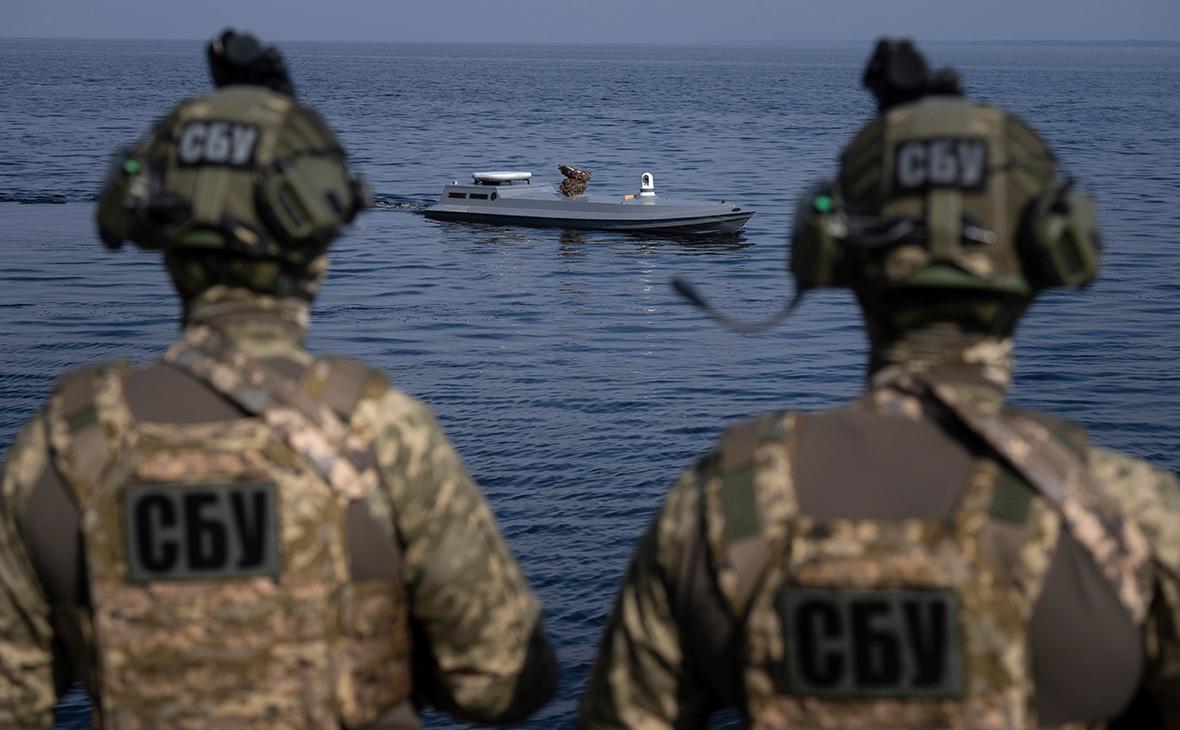
Ukraine has carried out an unprecedented naval operation that in recent days has reshaped perceptions of Kyiv’s capabilities in its prolonged war with Moscow. For the first time since the start of the full-scale invasion, Ukrainian forces struck a Russian tanker from the so-called “shadow fleet” in the Mediterranean Sea – more than 2,000 km from Ukraine’s borders – inflicting critical damage and putting the vessel out of action.
The target was the tanker “Qendil”, sailing under the Omani flag, which Ukrainian officials say was used to circumvent Western sanctions and generate revenue to finance Russia’s war effort. The drone strikes hit the vessel while it was empty, which, according to Ukraine’s Security Service (SBU), eliminated a significant risk of an environmental disaster, yet still produced serious strategic and political repercussions.
According to an SBU source, this was a “new, unprecedented special operation, marking Ukraine’s effective move to undermine the financial foundations of Russia’s war economy beyond the Black Sea. Previously, such targets had been limited to land-based assets, port infrastructure, and maritime objectives closer to Ukraine’s shores”.
Analysts and military experts view the incident as a paradigm shift in the conflict. Whereas attacks on the “shadow fleet” had earlier been seen primarily as a tool to pressure energy supply chains and tanker shipping markets, Ukraine is now demonstrating an ability to operate in international waters, expanding the conflict into the strategically vital Mediterranean theater. This serves not only as a signal to Moscow but also as a challenge to the international community, which is increasingly debating the risks posed by the “shadow fleet” – a network of vessels that change flags and manipulate registration to evade sanctions.

A new wave of strikes against Russian-linked tankers, including confirmed attacks on other “shadow fleet” vessels in the Black Sea in recent weeks, indicates that Kyiv is shifting from localized tactical actions to a broader strategy aimed at eroding Russia’s economic potential. An SBU source emphasizes that “such operations are legitimate targets under international law and the laws of war, as these tankers support the economic mechanisms sustaining Moscow’s continued hostilities”.
Moscow has already reacted with warnings of a possible response. At his annual press conference, Russian President Vladimir Putin stated that attacks on oil vessels would not yield the desired results and would prompt retaliatory measures, though he offered no detailed comment on the specific strike against the “Qendil”.
Global reactions to the expansion of Ukraine’s campaign remain mixed. EU states and the United States are stepping up efforts to monitor and block the activities of the “shadow fleet”, citing security risks and the need to protect global maritime trade. At the same time, the success of a large-scale operation of this kind raises broader questions about the future of maritime logistics in protracted conflicts, pushing governments toward policy reassessments and a strengthening of the international maritime legal regime.
Thus, the strike on the “Qendil” represents not only a tactical victory for Ukraine but also a strategic message: the war is entering a new phase in which pressure on Russia’s revenue streams becomes an integral part of military objectives, and the geographic reach of Ukrainian operations may extend far beyond traditional theaters of combat.


 Latest news
Russia Intensifies Strikes on Ukraine’s Infrastructure, Targeting Warehouses and Logistics Hubs
28.Aug.2026
A New Economic Framework for Central Asia and the Caucasus: The Role of Azerbaijan and Uzbekistan
28.Aug.2026
Moscow Warns London: Russia Considers Strikes on British Military Targets
27.Aug.2026
Kazakhstan Launches a New Economic Strategy: GDP Growth, Investment and Pension Reform
27.Aug.2026
CIA Director Visits Moscow: Trump Hopes for Results
26.Aug.2026
Former Ukrainian Defense Minister Warns of Risk of Gradual Defeat in War with Russia
25.Aug.2026
Putin Authorizes Temporary State Management of Critical Infrastructure Vulnerable to Drone Attacks
24.Aug.2026
The United States Rapidly Expands Missile Production: Pentagon Accelerates Output of Tomahawks and Other Critical Weapons
24.Aug.2026
Record Supplies: Armenia Boosts Fish Exports to Georgia
23.Aug.2026
Political Battle During Wartime: Zelensky Opposes Elections
23.Aug.2026
Romania Approves Construction of One of the Largest Solar Power Plants in Europe
23.Aug.2026
Ex-Ukrainian Defence Minister Fails in Bid to Pressure Zelenskiy
22.Aug.2026
Upper Lars: Why Border Queues Have Become a Political Signal for Georgia and Russia
22.Aug.2026
Russia-Ukraine War: No Decisive Breakthrough on the Front and Intensifying Ukrainian Deep Strikes on Russia
21.Aug.2026
TRIPP, Peace, and a New Geopolitical Crossroads: How Armenia Has Changed One Year After Washington
20.Aug.2026