
 29 Aug 2026









Russian Drones Violate Latvian Airspace: Incident Raises Tensions Along NATO’s Borders
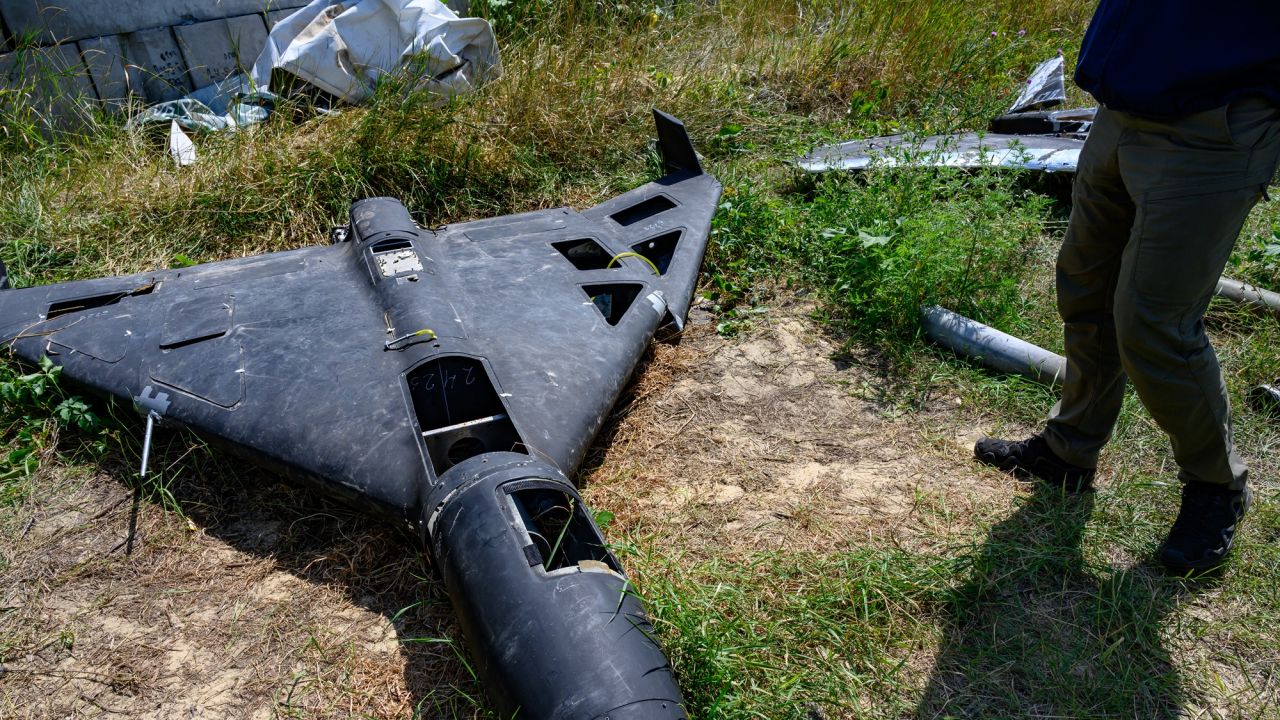
Today, the Latvian military reported an unusual incident on its territory: two unmanned aerial vehicles, believed to be of Russian origin, were detected and later destroyed. According to military officials, the drones violated the country’s airspace, prompting Latvia’s air defense systems to respond and shoot them down without causing damage to civilians or infrastructure. The incident comes amid growing regional tensions linked to the ongoing confrontation between Russia and NATO countries, especially given that Latvia has been a member of the alliance since 2004.
Latvian authorities have not yet disclosed detailed information about the origin or exact type of the drones. However, analysts suggest they may have been short- or medium-range reconnaissance UAVs used to monitor NATO positions and military movements in the region. The event highlights the strategic vulnerability of the Baltic states and the need to strengthen air surveillance capabilities, including deeper integration with neighboring NATO members’ air defense systems.
Overall, the incident demonstrates that tensions along NATO’s borders with Russia remain high, while drone technology continues to play a key role in modern military tactics and intelligence gathering. Latvia, like other Baltic nations, is being forced to balance military readiness with restraint in order to avoid unintended escalation.
Experts note that the incident reflects increasing Russian drone activity near the Baltic region, as well as improvements in Latvia’s early warning and air defense capabilities. For NATO, such events serve as a reminder of the importance of continuous airspace monitoring and intelligence sharing among Baltic allies. The situation also underlines the risk of accidental escalation: although the drones were neutralized without civilian harm, repeated airspace violations could eventually lead to more serious consequences in the event of a miscalculation or provocation.


 Latest news
Russia Intensifies Strikes on Ukraine’s Infrastructure, Targeting Warehouses and Logistics Hubs
28.Aug.2026
A New Economic Framework for Central Asia and the Caucasus: The Role of Azerbaijan and Uzbekistan
28.Aug.2026
Moscow Warns London: Russia Considers Strikes on British Military Targets
27.Aug.2026
Kazakhstan Launches a New Economic Strategy: GDP Growth, Investment and Pension Reform
27.Aug.2026
CIA Director Visits Moscow: Trump Hopes for Results
26.Aug.2026
Former Ukrainian Defense Minister Warns of Risk of Gradual Defeat in War with Russia
25.Aug.2026
Putin Authorizes Temporary State Management of Critical Infrastructure Vulnerable to Drone Attacks
24.Aug.2026
The United States Rapidly Expands Missile Production: Pentagon Accelerates Output of Tomahawks and Other Critical Weapons
24.Aug.2026
Record Supplies: Armenia Boosts Fish Exports to Georgia
23.Aug.2026
Political Battle During Wartime: Zelensky Opposes Elections
23.Aug.2026
Romania Approves Construction of One of the Largest Solar Power Plants in Europe
23.Aug.2026
Ex-Ukrainian Defence Minister Fails in Bid to Pressure Zelenskiy
22.Aug.2026
Upper Lars: Why Border Queues Have Become a Political Signal for Georgia and Russia
22.Aug.2026
Russia-Ukraine War: No Decisive Breakthrough on the Front and Intensifying Ukrainian Deep Strikes on Russia
21.Aug.2026
TRIPP, Peace, and a New Geopolitical Crossroads: How Armenia Has Changed One Year After Washington
20.Aug.2026