
 28 Aug 2026









Poland Rules Out Transfer of MiG-29 Fighter Jets to Ukraine, Links Military Aid to Drone Technology Cooperation
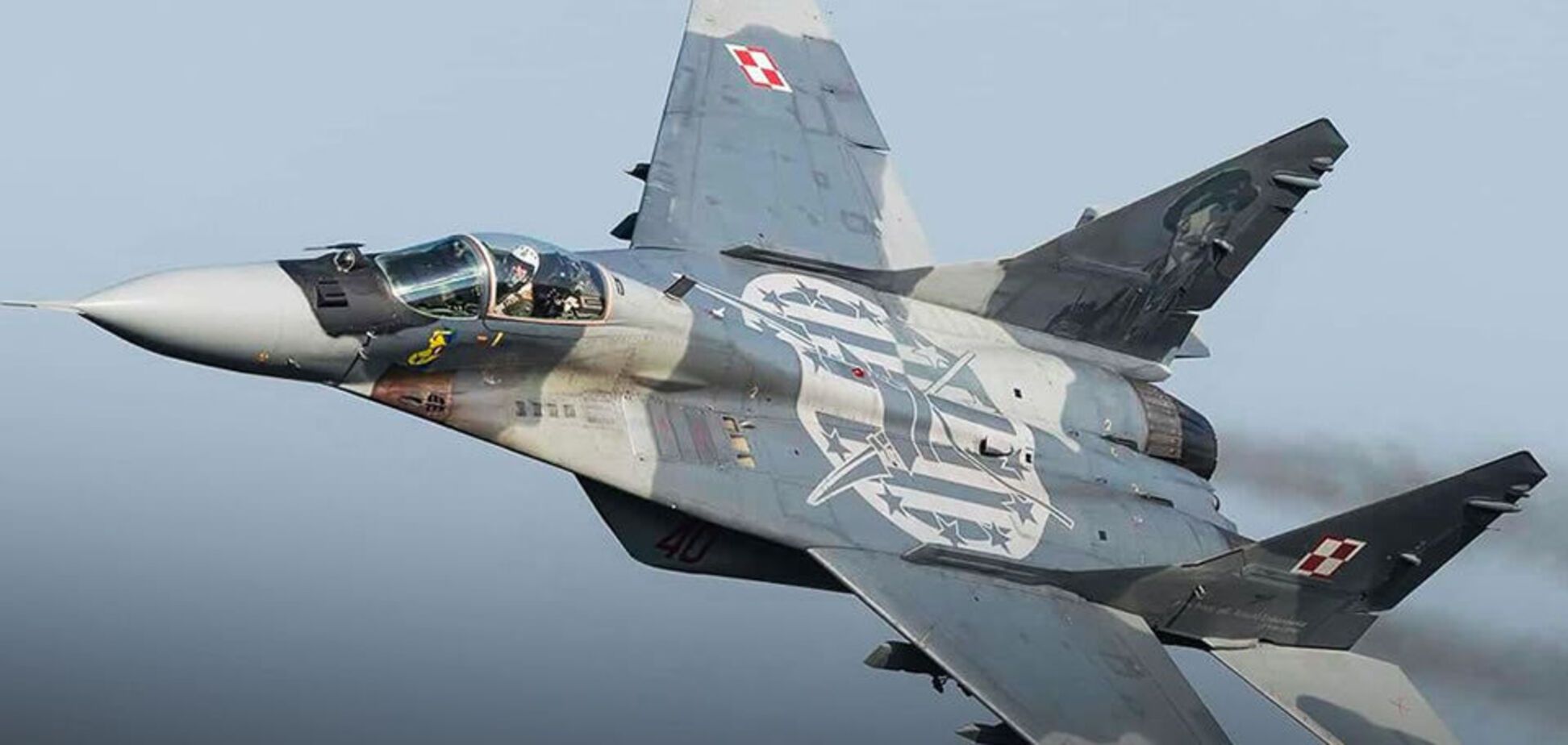
Poland will not transfer its remaining MiG-29 fighter jets to Ukraine, Polish Minister of National Defence Władysław Kosiniak-Kamysz has announced, explaining that Kyiv failed to fulfill previously discussed agreements on cooperation in the field of drone technologies.
According to the Polish defense chief, Warsaw had proposed a partnership based on the principle of "MiGs in exchange for drones." Under the arrangement, Ukraine was expected to share its battlefield experience and technological expertise in the development and deployment of unmanned aerial systems, while Poland would provide its remaining Soviet-designed MiG-29 fighters. However, the minister said that the Ukrainian side did not implement the agreed commitments, leading Warsaw to abandon the aircraft transfer.
Kosiniak-Kamysz's statement confirms a position that had already begun to emerge earlier this month. In mid-June, Deputy Defence Minister Cezary Tomczyk indicated that the delivery of MiG-29s had been suspended until Ukraine fulfilled its obligations regarding technological cooperation in the drone sector.
Poland has remained one of Ukraine's largest military supporters since the start of Russia's full-scale invasion. Warsaw has supplied Kyiv with tanks, artillery systems, armored vehicles, ammunition, and part of its MiG-29 fleet. The remaining aircraft, however, continue to play an important role in Poland's own air defense during the transition from Soviet-era platforms to modern Western aircraft, including the F-16 and the incoming F-35 fleet. As a result, discussions over the transfer of the last MiG-29s have increasingly been accompanied by political and technological conditions.
Defense analysts argue that the dispute reflects a broader transformation in military-technical cooperation between Ukraine and its allies. While the initial phase of the war was characterized primarily by large-scale arms deliveries, technological expertise has now become an increasingly valuable strategic asset. Ukraine's extensive combat experience in developing and employing unmanned aerial systems is viewed by many European countries as one of the most significant sources of practical military innovation.
At the same time, Warsaw's decision illustrates a more pragmatic approach to military assistance. Poland appears willing to continue supporting Ukraine but is increasingly aligning its aid with its own national security priorities and the development of its domestic defense industry. This suggests that cooperation between Kyiv and its European partners may gradually evolve from one-way military assistance toward a model based on reciprocal exchanges of technology, expertise, and industrial capabilities.


 Latest news
Russia Intensifies Strikes on Ukraine’s Infrastructure, Targeting Warehouses and Logistics Hubs
28.Aug.2026
A New Economic Framework for Central Asia and the Caucasus: The Role of Azerbaijan and Uzbekistan
28.Aug.2026
Moscow Warns London: Russia Considers Strikes on British Military Targets
27.Aug.2026
Kazakhstan Launches a New Economic Strategy: GDP Growth, Investment and Pension Reform
27.Aug.2026
CIA Director Visits Moscow: Trump Hopes for Results
26.Aug.2026
Former Ukrainian Defense Minister Warns of Risk of Gradual Defeat in War with Russia
25.Aug.2026
Putin Authorizes Temporary State Management of Critical Infrastructure Vulnerable to Drone Attacks
24.Aug.2026
The United States Rapidly Expands Missile Production: Pentagon Accelerates Output of Tomahawks and Other Critical Weapons
24.Aug.2026
Record Supplies: Armenia Boosts Fish Exports to Georgia
23.Aug.2026
Political Battle During Wartime: Zelensky Opposes Elections
23.Aug.2026
Romania Approves Construction of One of the Largest Solar Power Plants in Europe
23.Aug.2026
Ex-Ukrainian Defence Minister Fails in Bid to Pressure Zelenskiy
22.Aug.2026
Upper Lars: Why Border Queues Have Become a Political Signal for Georgia and Russia
22.Aug.2026
Russia-Ukraine War: No Decisive Breakthrough on the Front and Intensifying Ukrainian Deep Strikes on Russia
21.Aug.2026
TRIPP, Peace, and a New Geopolitical Crossroads: How Armenia Has Changed One Year After Washington
20.Aug.2026