
 13 Oct 2026









An Unprecedented Power Transition in Iran: Ali Khamenei’s Son Becomes the New Supreme Leader
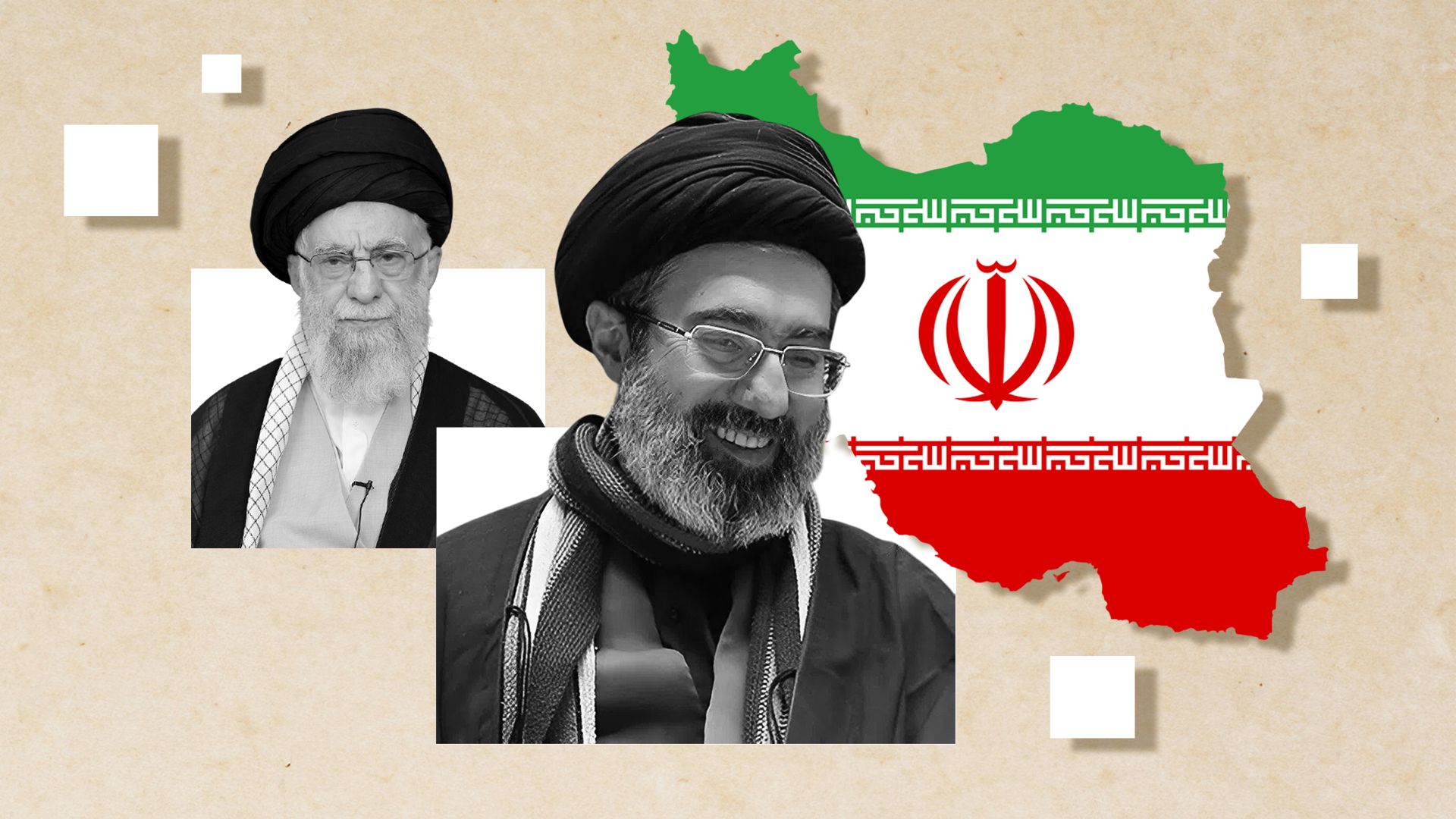
Following
the death of Iran’s Supreme Leader Ali Khamenei on February 28 as a result of U.S. and
Israeli strikes in Tehran, the country underwent an urgent political
transition. The Assembly of
Experts, Iran’s council of senior clerics, elected his son Mojtaba Khamenei
as the new Supreme Leader, making him the third leader of the Islamic Republic.
This decision represents a historic precedent: for the
first time since the 1979 Islamic Revolution, the highest authority in Iran
has effectively passed from father to son. The development has sparked debate
about the possible “dynasticization” of a political system that was originally
created as an alternative to monarchy.
It is worth noting that Mojtaba Khamenei was born on September 8, 1969, in the city of
Mashhad, into the family of the future Supreme Leader Ali
Khamenei. He received a religious education in Shiite seminaries and studied in
the religious seminary in Qom, one of the most important centers of Shiite
theology. In his youth, he participated in the Iran–Iraq War, serving in units of
the Islamic Revolutionary Guard Corps
(IRGC). He later continued his religious studies and became a
Shiite cleric. Although Mojtaba Khamenei has never held formal public office,
he has long been considered one of the most influential figures in Iran’s
political system.
The decision by the Assembly of Experts was made amid a
major military crisis in the Middle East. The new leader is expected to guide
the country through what many observers describe as one of the most serious
challenges the Islamic Republic has faced in decades.
In an official statement, the Iranian leadership emphasized
that the appointment of Mojtaba Khamenei is intended to ensure political
stability and national unity.
Iranian President Masoud Pezeshkian stated: “This valuable choice reflects the will of the Iranian people to strengthen national unity in the face of external pressure”.
At
the same time, representatives of the country’s security establishment
expressed their support for the new leader.
According to Speaker of Parliament Mohammad Bagher Ghalibaf: “Following the new Supreme Leader is both a religious and national duty”.
However,
the appointment triggered a sharp reaction from Washington. U.S. President Donald Trump
criticized Tehran’s decision, calling the new leader “an unacceptable choice”.
Western
analysts believe that Mojtaba Khamenei’s rise could signal a further hardening
of Iran’s political course.
Iran expert Kasra Aarabi noted: “Mojtaba Khamenei may turn out to be even more hardline than his father”.
Analysts also point out that Mojtaba Khamenei has long acted as a “political gatekeeper and intermediary” within his father’s inner circle and has maintained close ties with the country’s military structures. According to several observers, his longstanding connections with the IRGC played a key role in facilitating his rise to the position of Supreme Leader.


 Latest news
Latest news
Latest newsGeorgia’s Constitutional Court Continues Case on Banning Opposition Parties: Political Pluralism at Stake
12.Oct.2026
Azerbaijan and Iran Step Up Security Contacts Amid Hijab Protests
12.Oct.2026
Personnel Shortages Complicate Ukrainian Forces’ Rotation: Ukraine Faces Long-Term Challenges on the Front Line
11.Oct.2026
Trump Eases Sanctions on Russian Fuel After Talks with Putin: Kyiv Fears Boost to Moscow’s War Revenues
10.Oct.2026
Putin Seeks to Strengthen Russia’s Influence in the Post-Soviet Space Through the CIS
10.Oct.2026
Russia and the South Caucasus: External Pressure, Political Competition and a Crisis of Trust
10.Oct.2026
Peaceful Settlement Between Armenia and Azerbaijan: Moving from Declarations to Implementation
10.Oct.2026
Moldova Ready to Accept as Many Ukrainians as Necessary if Situation Worsens This Winter
09.Oct.2026
Turkmenistan Turns Avaza into a Regional Diplomatic Hub as Caspian, Central Asian and CIS Agendas Converge
08.Oct.2026
Romania Scrambles Spanish F-18s After Aerial Targets Detected Near Ukrainian Border
07.Oct.2026
Berlin Deepens Defence Partnership with Kyiv: Germany to Provide Ukraine with €1 Billion in Military Aid
07.Oct.2026
European Parliament Against Georgian Dream: EU Prepares New Response to Tbilisi
06.Oct.2026
Bulgarian Foreign Minister to Discuss European Security and International Law in the Netherlands
05.Oct.2026
Rheinmetall in Bulgaria: Sofia Emerges as a New NATO Defence-Industrial Hub in the Balkans
05.Oct.2026
The Cost of a Long War: Moscow Expands Spending Plans Through 2029
05.Oct.2026