
 13 Oct 2026









Russia Earns Billions from Energy Crisis Amid Escalating Conflict Around Iran
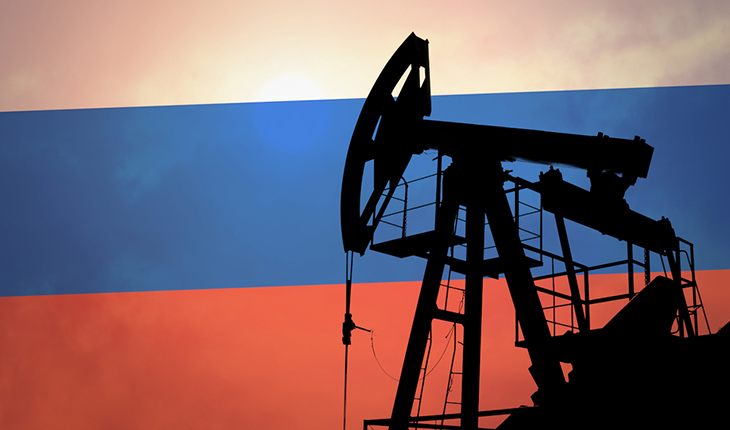
Russia has gained significant financial benefits from the
sharp rise in energy prices caused by the escalation of the conflict around
Iran. In the first two weeks following the start of military actions by the
United States and Israel against Iran, Russia’s revenues from exports of oil, gas,
and coal reached approximately €6 billion.
The increase in revenues is
primarily linked to the sharp surge in global oil and gas prices, driven by
fears of supply disruptions from the Persian Gulf region. The escalation in the
Middle East has created serious instability in the global energy market.
One of the key factors has
been the risk of restrictions on shipments through the strategically vital
Strait of Hormuz — a route through which a significant share of global oil
trade passes. Concerns about a possible closure of this route and disruptions
in production in regional countries have pushed oil prices up by around 14%.
Amid the rise in energy
prices, Russia’s Urals crude has significantly increased in value, exceeding
$80 per barrel. This is considerably higher than the price level that had been
projected in the Russian state budget for the current year.
According to analysts, such
price dynamics are generating additional profits for the Russian economy that
could reach around $150 million per day. Overall, experts note that every
one-dollar increase in global oil prices can bring the Russian budget up to
$1.9 billion in additional annual revenue.
Thus, despite ongoing
sanctions pressure from Western countries, the energy sector continues to
remain a key source of income for the Russian economy. High oil and gas prices
are partially offsetting the restrictions imposed on Russian exports after the
start of the war in Ukraine.
Moreover, the current
situation in the energy market allows Moscow to maintain stable budget revenues
that play an important role in financing government spending, including
military expenditures.
The situation highlights a
certain geopolitical paradox. On the one hand, the conflict around Iran is
intensifying tensions in international relations and reshaping the balance of
power in the Middle East. On the other hand, the energy crisis triggered by
this confrontation is indirectly benefiting major energy exporters, primarily
Russia.
As long as supplies from the
Persian Gulf remain under threat, alternative suppliers have an opportunity to
increase their revenues due to rising global prices.
Experts warn that if tensions around Iran persist and oil prices remain high for a prolonged period, this could have long-term consequences for the global economy and international politics. For Russia, such a situation provides an additional financial resource that may soften the economic pressure of sanctions and support the stability of its budget. At the same time, this complicates Western efforts to limit Moscow’s revenues from energy exports and may indirectly influence the further development of the conflict in Ukraine.
CCBS Expert Group


 Latest news
Latest news
Latest newsGeorgia’s Constitutional Court Continues Case on Banning Opposition Parties: Political Pluralism at Stake
12.Oct.2026
Azerbaijan and Iran Step Up Security Contacts Amid Hijab Protests
12.Oct.2026
Personnel Shortages Complicate Ukrainian Forces’ Rotation: Ukraine Faces Long-Term Challenges on the Front Line
11.Oct.2026
Trump Eases Sanctions on Russian Fuel After Talks with Putin: Kyiv Fears Boost to Moscow’s War Revenues
10.Oct.2026
Putin Seeks to Strengthen Russia’s Influence in the Post-Soviet Space Through the CIS
10.Oct.2026
Russia and the South Caucasus: External Pressure, Political Competition and a Crisis of Trust
10.Oct.2026
Peaceful Settlement Between Armenia and Azerbaijan: Moving from Declarations to Implementation
10.Oct.2026
Moldova Ready to Accept as Many Ukrainians as Necessary if Situation Worsens This Winter
09.Oct.2026
Turkmenistan Turns Avaza into a Regional Diplomatic Hub as Caspian, Central Asian and CIS Agendas Converge
08.Oct.2026
Romania Scrambles Spanish F-18s After Aerial Targets Detected Near Ukrainian Border
07.Oct.2026
Berlin Deepens Defence Partnership with Kyiv: Germany to Provide Ukraine with €1 Billion in Military Aid
07.Oct.2026
European Parliament Against Georgian Dream: EU Prepares New Response to Tbilisi
06.Oct.2026
Bulgarian Foreign Minister to Discuss European Security and International Law in the Netherlands
05.Oct.2026
Rheinmetall in Bulgaria: Sofia Emerges as a New NATO Defence-Industrial Hub in the Balkans
05.Oct.2026
The Cost of a Long War: Moscow Expands Spending Plans Through 2029
05.Oct.2026