
 23 Oct 2026









Georgia Strengthens Diplomatic Channel with Russia: Tbilisi Appoints Special Government Representative
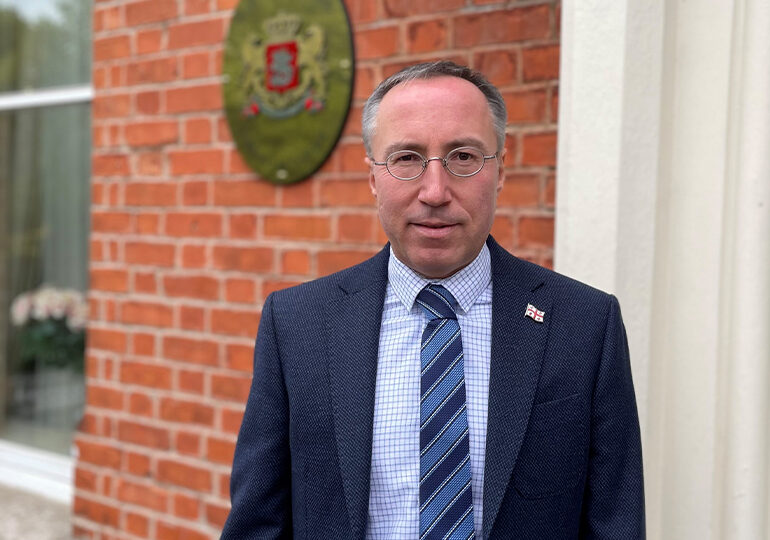
The appointment of First Deputy Foreign Minister Giorgi Zurabashvili as the Prime Minister’s special representative for relations with Russia signals Tbilisi’s intention to adopt a more systematic approach to its Russia policy. Georgian authorities, however, stress that the personnel decision does not imply a revision of the country’s official foreign policy course.
On 21 October, Georgian Prime Minister Irakli Kobakhidze announced the appointment of First Deputy Foreign Minister Giorgi Zurabashvili as the Prime Minister’s special representative for relations with the Russian Federation. According to the Prime Minister’s statement, Zurabashvili will retain his current position while assuming the additional responsibilities.
The decision comes amid the continued complexity of Russian-Georgian relations, characterised by the absence of diplomatic relations, unresolved territorial conflicts, and the simultaneous existence of channels for practical engagement. Georgia and Russia severed diplomatic relations following the August 2008 Russo-Georgian war, after which Moscow recognised the independence of Abkhazia and South Ossetia — a decision Tbilisi regards as a violation of Georgia’s territorial integrity.
Kobakhidze’s official statement that the appointment does not imply a change in policy towards Moscow suggests that the Georgian leadership seeks to distinguish the organisational strengthening of its diplomatic engagement with Russia from any potential political revision of its existing position. Therefore, the establishment of an additional coordination mechanism should not automatically be interpreted as preparation for normalising relations or changing Tbilisi’s approach to territorial issues.
At the same time, the appointment of a special representative at the level of the Prime Minister’s office could help centralise discussions concerning Russia and improve coordination between the government and the Ministry of Foreign Affairs. The practical significance of the decision will depend on the scope of Zurabashvili’s mandate, the priorities established for his work, and the emergence of concrete diplomatic initiatives.
Relations with Russia remain a multifaceted issue for Georgia. On the one hand, Tbilisi continues to insist on restoring its territorial integrity and does not recognise the status of Abkhazia and South Ossetia as independent states under Russian recognition. On the other hand, economic ties, trade, transport routes, and regional stability remain important practical elements of the bilateral agenda.
Georgia’s broader foreign policy and its relations with Western partners provide additional context. Against the backdrop of disagreements between Tbilisi and several European institutions, any changes to the mechanisms of engagement with Moscow may attract increased attention from the European Union and other international partners. However, the appointment of a special representative alone does not demonstrate an intention by the Georgian leadership to distance itself from Western institutions or revise its declared foreign policy priorities.
The appointment of Giorgi Zurabashvili should primarily be viewed as an organisational measure aimed at improving coordination on Russia-related issues within the Georgian government. Its actual implications will become clearer once further information emerges regarding the special representative’s mandate, planned contacts, and specific initiatives in Tbilisi’s relations with Moscow.


 Latest news
Georgia Strengthens Diplomatic Channel with Russia: Tbilisi Appoints Special Government Representative
23.Oct.2026
Baku and Ankara: A Crack in the Strategic Alliance? — Elmira Talibzade
22.Oct.2026
Bulgaria Expands Black Sea Surveillance Amid Threats to Maritime Shipping
22.Oct.2026
Georgia’s Constitutional Court Considers Ban on Five Opposition Parties: Political Pluralism Under Threat
21.Oct.2026
Kyiv Reports Delays in Patriot Missile Deliveries: European Aid to Ukraine Depends on US Approval
20.Oct.2026
Turkiye and France Strengthen Military Dialogue Amid European Security Challenges
20.Oct.2026
Romania Seeks Stronger Black Sea Security Amid Drone Incidents
19.Oct.2026
Promises are There, but Progress is Too Slow: What Leaders Said at the Leaders for Nature Summit in Yerevan
19.Oct.2026
Sanctions Strategy on Russia Faces Contradictions in Washington’s Policy
18.Oct.2026
Black Sea Security Threats Pose Risks to Bulgaria’s 2027 Tourist Season
17.Oct.2026
Bulgaria Asks NATO to Strengthen Its Defences Amid Black Sea Threats: Sofia Fears Growing Risks to Maritime Shipping
16.Oct.2026
Black Sea Shipping Risks Threaten Bulgaria’s 5 Million Tonnes of Wheat Exports
15.Oct.2026
Georgia’s Foreign Funding and Political Ban Laws Draw Criticism from the Venice Commission
15.Oct.2026
Kazakhstan Promotes a Caspian Green Energy Corridor: Astana Seeks New Routes to the European Market
14.Oct.2026
Inflation in Romania Accelerates to 6.61%: Rising Prices Increase Pressure on Households and the Economy
13.Oct.2026