
 13 Oct 2026









Inflation in Romania Accelerates to 6.61%: Rising Prices Increase Pressure on Households and the Economy
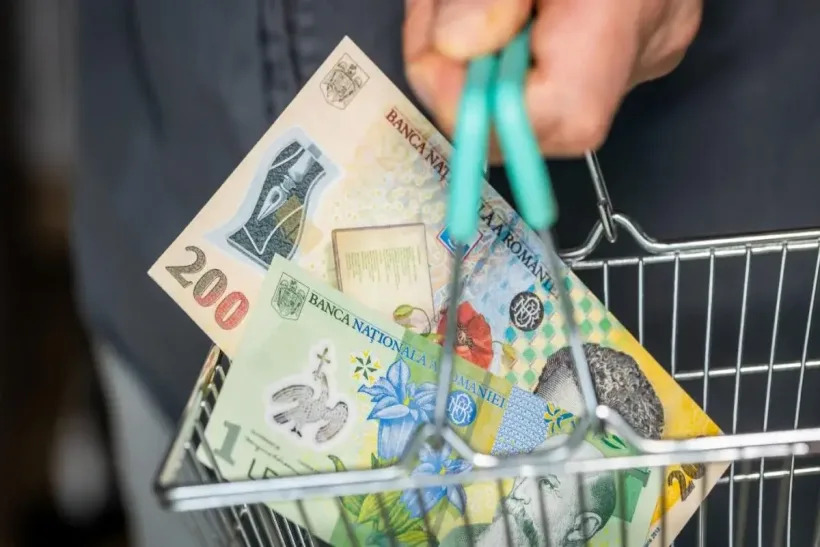
Annual inflation in Romania rose to 6.61% in September 2026, up from 6.17% in August. The most significant increase was recorded in the services sector, where prices rose by 11.12%. Accelerating inflation is putting further pressure on household purchasing power and complicating the government’s efforts to stabilize public finances amid political uncertainty.
According to data published by Romania’s National Institute of Statistics on October 13, consumer prices in the country continued to rise. Annual inflation reached 6.61% in September, increasing by 0.44 percentage points compared with the previous month.
The most pronounced price increases were observed in the services sector, where prices rose by 11.12% year-on-year. Non-food goods became 7.06% more expensive, while food prices increased by 3%.
The differences in price growth across categories indicate that inflationary pressures are unevenly distributed throughout the economy. The particularly sharp rise in service costs can affect households’ everyday expenses, including transportation, maintenance, and other recurring payments.
Household Purchasing Power Under Pressure
Accelerating inflation is creating additional difficulties for Romanian families, particularly households with low or fixed incomes. Even with relatively moderate food price increases, rising costs for services and non-food goods can reduce the funds households have left after covering essential expenses.
Under these circumstances, the dynamics of real incomes become particularly important. Real income reflects the relationship between increases in wages and pensions and changes in consumer prices. If household incomes grow more slowly than inflation, purchasing power declines and household spending becomes increasingly constrained.
At the same time, the annual inflation rate does not mean that prices rose by 6.61% in September alone. Rather, it measures the change in the overall consumer price level compared with September of the previous year.
Fiscal Policy Faces Additional Constraints
Inflationary trends are complicating the Romanian authorities’ economic agenda. The government must simultaneously contain public spending, reduce the budget deficit, and avoid an excessive deterioration in the living standards of the most vulnerable groups.
Fiscal consolidation, which involves increasing government revenue and controlling expenditure, may limit the scope for expanding public support programs. At the same time, persistently high price growth increases public demand for measures to protect household incomes.
The country’s political situation remains an additional source of uncertainty. Difficulties in establishing a stable parliamentary majority could complicate the approval of budgetary decisions and the implementation of a consistent economic policy.

However, the available data do not establish that accelerating inflation is directly caused by the political crisis. Identifying the underlying causes requires a separate analysis of utility tariffs, the cost of imported goods, wage dynamics, tax changes, and monetary conditions.
Overall, September’s figures demonstrate that inflation remains a significant economic challenge for Romania. Rising prices for services and non-food goods are increasing the financial burden on households, while the need for fiscal consolidation limits the government’s room for maneuver.


 Latest news
Latest news
Latest newsInflation in Romania Accelerates to 6.61%: Rising Prices Increase Pressure on Households and the Economy
13.Oct.2026
Can Europe Protect the International Criminal Court from Trump’s Sanctions?
13.Oct.2026
Georgia’s Constitutional Court Continues Case on Banning Opposition Parties: Political Pluralism at Stake
12.Oct.2026
Azerbaijan and Iran Step Up Security Contacts Amid Hijab Protests
12.Oct.2026
Personnel Shortages Complicate Ukrainian Forces’ Rotation: Ukraine Faces Long-Term Challenges on the Front Line
11.Oct.2026
Trump Eases Sanctions on Russian Fuel After Talks with Putin: Kyiv Fears Boost to Moscow’s War Revenues
10.Oct.2026
Putin Seeks to Strengthen Russia’s Influence in the Post-Soviet Space Through the CIS
10.Oct.2026
Russia and the South Caucasus: External Pressure, Political Competition and a Crisis of Trust
10.Oct.2026
Peaceful Settlement Between Armenia and Azerbaijan: Moving from Declarations to Implementation
10.Oct.2026
Moldova Ready to Accept as Many Ukrainians as Necessary if Situation Worsens This Winter
09.Oct.2026
Turkmenistan Turns Avaza into a Regional Diplomatic Hub as Caspian, Central Asian and CIS Agendas Converge
08.Oct.2026
Romania Scrambles Spanish F-18s After Aerial Targets Detected Near Ukrainian Border
07.Oct.2026
Berlin Deepens Defence Partnership with Kyiv: Germany to Provide Ukraine with €1 Billion in Military Aid
07.Oct.2026
European Parliament Against Georgian Dream: EU Prepares New Response to Tbilisi
06.Oct.2026
Bulgarian Foreign Minister to Discuss European Security and International Law in the Netherlands
05.Oct.2026