
 21 Sep 2026









Main result of Turkish President's visit to Azerbaijan
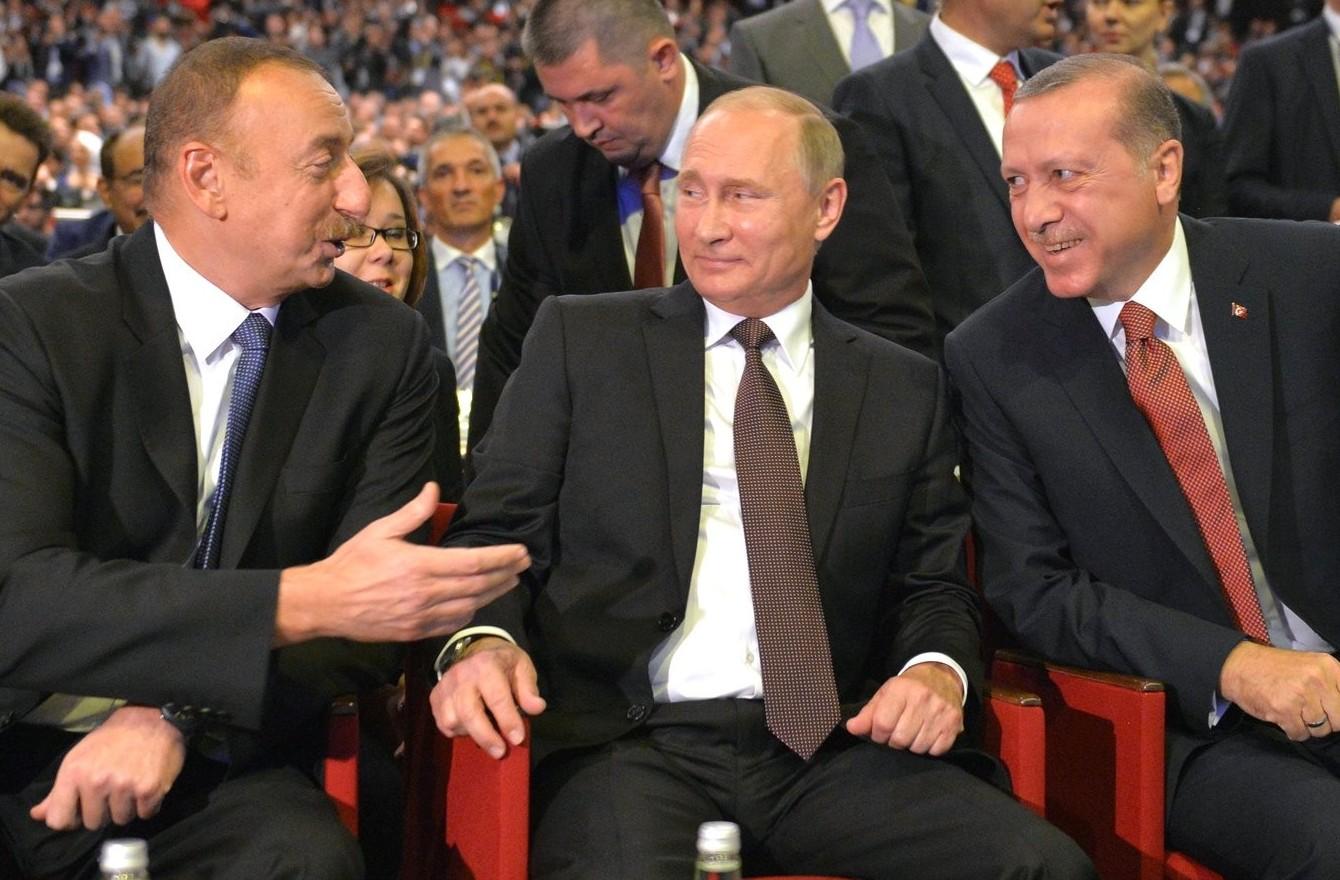
Russian President Vladimir Putin's approach and constant cooperation with Moscow played a very important role in the settlement process in Nagorno-Karabakh and the transition of the South Caucasus to peace, Turkish President Recep Tayyip Erdogan said, speaking about how the region's transition from a conflict state to a new stage of development.
Erdogan said that he was in constant contact with Putin during all 44 days of the Second Karabakh War. "After the start of the process, Mr Putin and I continued to hold meetings. At the same time, Foreign Minister Mevlut Cavusoglu conducted diplomatic work. I especially want to note that intelligence and counterintelligence continued to work on the military front," he said.
It was possible to force Armenia to peace and to ensure the implementation of the trilateral statement thanks to the Russian leader's attitude to a guaranteed cessation of hostilities in the South Caucasus. "I cannot toss away approaches of Mr. Putin. His positive attitude helped to steer this process towards a positive direction," the Turkish president stressed.
Thus, he confirmed that Russia and Turkey were in constant dialogue on Karabakh at all levels and acted together. That is why they managed to withdraw the extra-regional Western forces, which were blocking peaceful settlement, from the Nagorno-Karabakh process.
Erdogan also said that he had discussed with Azerbaijani President Ilham Aliyev the formation of an economic platform uniting six countries: Azerbaijan, Turkey, Russia, Iran, Georgia, as well as Armenia, if the republic expresses such a desire. " This would be good cooperation for the development of the region," he said, confirming that the countries of the Greater Caucasus have taken a course towards new formats of cooperation in the post-war world with open borders.


 Latest news
Latest news
Latest newsUS Sanctions Target Russias Main Pillar as Moscow Faces New Pressure on Oil Revenues
19.Sep.2026
Russia Begins State Duma Elections Amid War in Ukraine
18.Sep.2026
Bulgaria Strengthens Protection of Strategic Infrastructure Against Drones and Other Threats
18.Sep.2026
Georgia and Enka: How the Namakhvani Dispute Could Affect the Investment Climate
17.Sep.2026
Una Aleksandra Bērziņa-Čerenkova: After Russia’s Invasion, Latvia Began Banning Russian-Language Media
17.Sep.2026
Rainer Saks: Russia сould lose its influence in Armenia, just as it did in the Baltics
16.Sep.2026
Russian Drones Violated Moldovan Airspace Twice During Zelenskys Trips
16.Sep.2026
Operation Vivaldi: Ukraine Reports Advances Near Lyman as Fighting Intensifies
16.Sep.2026
Kazakhstan and South Korea Elevate Ties to Comprehensive Strategic Partnership
16.Sep.2026
Armenia Energy Diversification: Testing the Limits of Dependence on Russian Gas
15.Sep.2026
Tbilisi Distances Itself from Brussels as Kobakhidze Intensifies Criticism of European Policy
14.Sep.2026
Russia Fuel Crisis Gives the US a New Diplomatic Leverage Tool
14.Sep.2026
Trump Calls on Zelenskyy to Stop Strikes on Russian Oil Infrastructure
13.Sep.2026
Ukraine Expands Pressure on Russia’s Shadow Fleet: Moscow’s Oil Logistics Under Threat
13.Sep.2026
The Riga Conference: Europe Prepares for Long-Term Confrontation with Russia and Reshapes Its Security Architecture
12.Sep.2026