
 22 Sep 2026









EU Sanctions Georgian Company: Oil Refinery Faces Restrictions Over Russian Crude
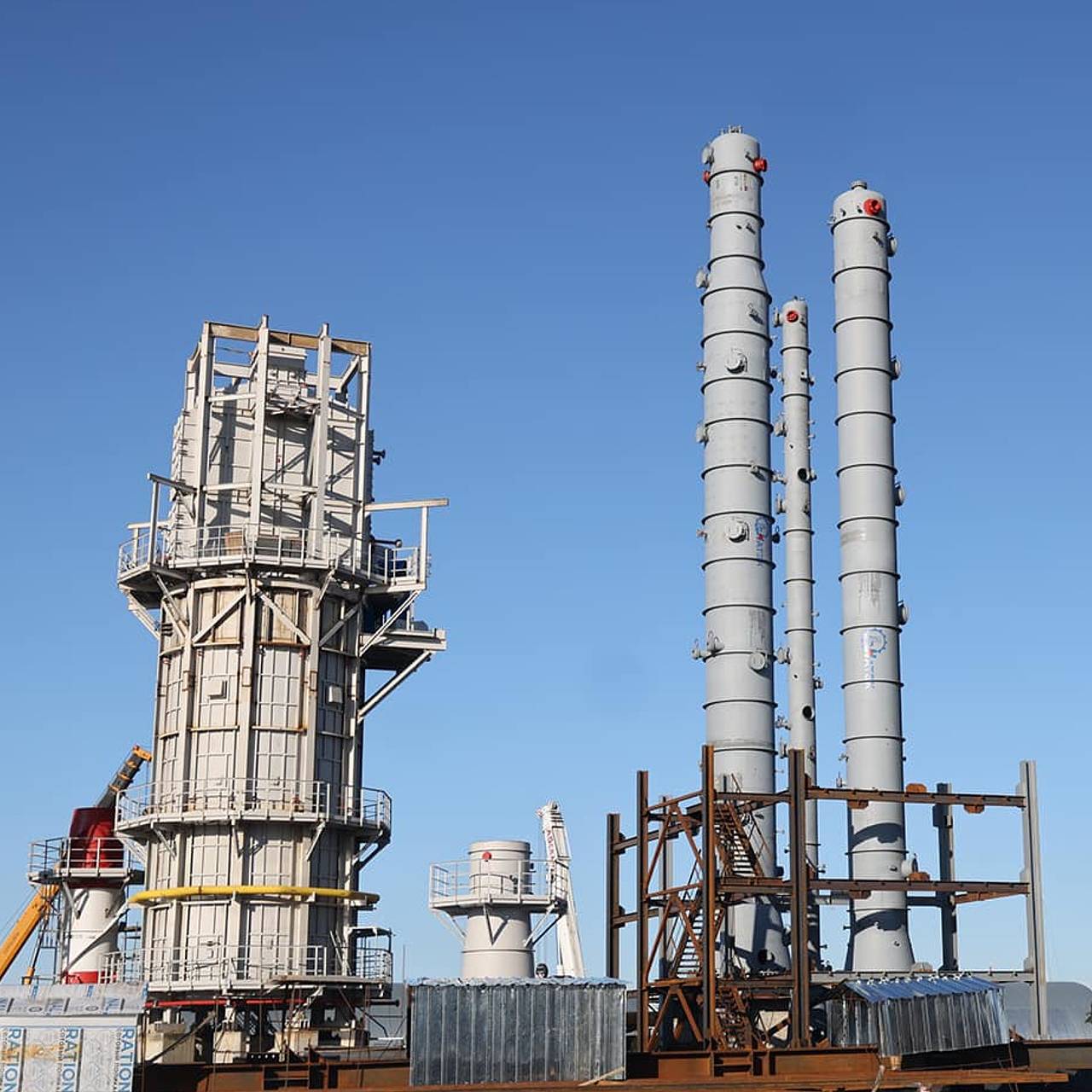
The European Union has, for
the first time, placed a major Georgian company under sanctions, imposing
restrictive measures on the Kulevi oil refinery
as part of its 21st sanctions package against Russia.
The decision marks one of the most significant elements of the latest package,
as Georgian companies had not previously been subjected to direct EU sanctions.
According to the Council of
the European Union, the refinery was sanctioned for processing Russian crude
oil and subsequently exporting petroleum products. Brussels argues that these
operations may have helped sustain revenues for Russia's oil sector despite the
sanctions imposed following the start of the full-scale war in Ukraine.
Under the published decision,
the sanctions include the freezing of the company's assets within the European
Union, a ban on EU companies and individuals from providing funds or economic
resources to the refinery, and restrictions on conducting business with the
company. Existing contracts will benefit from a six-month wind-down period
before the measures take full effect.
The refinery's management had
previously announced plans to phase out Russian crude oil by the end of 2026
and replace it with supplies from Kazakhstan, Turkmenistan, and other Caspian
countries. Company representatives argue that diversifying crude imports will
allow the refinery to maintain production capacity and export operations while
complying with European sanctions requirements.
Following the announcement,
the Georgian government emphasized that the country remains committed to its
international obligations and is prepared to cooperate with the European Union
to prevent sanctions circumvention. Officials in Tbilisi stressed that the EU's
decision concerns the activities of a specific company and should not be
interpreted as sanctions against Georgia's economy as a whole.
Experts say the sanctions
against Kulevi reflect a broader shift in the European Union's approach to
enforcing restrictive measures. While previous sanctions primarily targeted
Russian companies and intermediaries in third countries, Brussels is now
demonstrating its willingness to sanction companies registered in partner
states if their activities are deemed to support Russia's export revenues.
Analysts also highlight the
strategic importance of the Kulevi terminal and refinery infrastructure on Georgia's
Black Sea coast. The facility serves as a key component of Caspian energy
transportation and is regarded as part of the alternative routes for supplying
crude oil and petroleum products to European markets. As a result, changing the
refinery's crude supply sources could have not only commercial but also
geopolitical implications.
According to industry experts,
the planned transition away from Russian crude is consistent with the broader
trend of energy diversification across the South Caucasus. In recent years,
Kazakhstan and Turkmenistan have steadily expanded exports via the
Trans-Caspian corridor, while the European Union has sought to increase energy
imports from the region in order to reduce its dependence on Russian supplies.
At the same time, analysts
warn that the sanctions could negatively affect the refinery's operations in
the short term. The company will need to restructure its logistics network,
secure new long-term crude supply contracts, and adapt its export routes. If
the transition is successfully completed, Kulevi could retain its position as
one of the Black Sea region's key energy hubs. However, the adjustment period
is expected to involve additional financial costs and a temporary decline in
refining volumes.


 Latest news
Latest news
Latest newsBulgaria Strengthens Mobile Air Defence Through Strategic Partnership with Czechia
22.Sep.2026
Bulgaria Marks 118 Years of Independence: Veliko Tarnovo Becomes the Center of National Celebrations
22.Sep.2026
Tbilisi Links Georgia’s European Future to the Restoration of Territorial Integrity
22.Sep.2026
Duma Elections Reinforce Kremlin Dominance Amid the War
21.Sep.2026
Zelenskyy Approves New Long-Range Ukrainian Operations Amid Russian Attacks
20.Sep.2026
US Sanctions Target Russias Main Pillar as Moscow Faces New Pressure on Oil Revenues
19.Sep.2026
Russia Begins State Duma Elections Amid War in Ukraine
18.Sep.2026
Bulgaria Strengthens Protection of Strategic Infrastructure Against Drones and Other Threats
18.Sep.2026
Georgia and Enka: How the Namakhvani Dispute Could Affect the Investment Climate
17.Sep.2026
Una Aleksandra Bērziņa-Čerenkova: After Russia’s Invasion, Latvia Began Banning Russian-Language Media
17.Sep.2026
Rainer Saks: Russia сould lose its influence in Armenia, just as it did in the Baltics
16.Sep.2026
Russian Drones Violated Moldovan Airspace Twice During Zelenskys Trips
16.Sep.2026
Operation Vivaldi: Ukraine Reports Advances Near Lyman as Fighting Intensifies
16.Sep.2026
Kazakhstan and South Korea Elevate Ties to Comprehensive Strategic Partnership
16.Sep.2026
Armenia Energy Diversification: Testing the Limits of Dependence on Russian Gas
15.Sep.2026