
 21 Sep 2026









Karabakh's Status Matter of Future, Deputy Foreign Minister of Russia
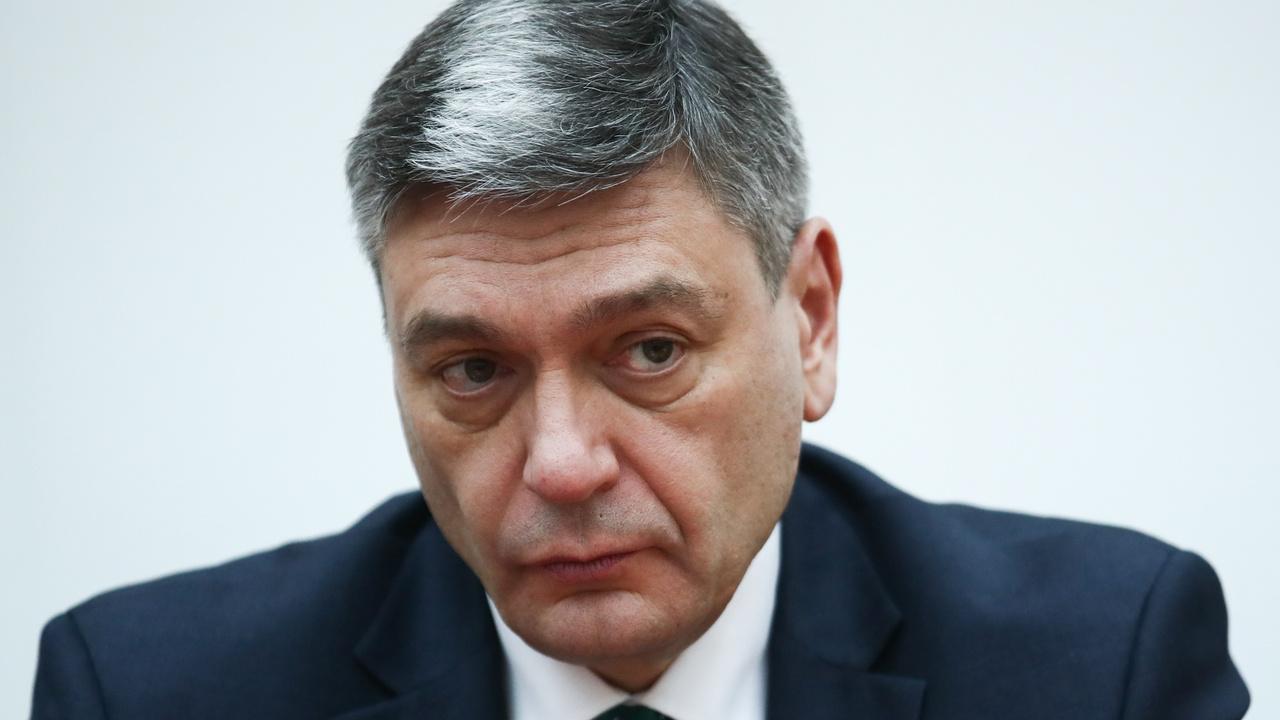
Deputy Foreign Minister of Russia Andrei Rudenko in an interview with TASS touched upon the situation around Karabakh and the situation in the region as a whole. Answering the question about the prospects of the OSCE Minsk Group participation in the settlement, he said the activities of the Minsk Group co-chairs should be continued.
“They made an important contribution to the development of basic principles for the settlement of the Nagorno-Karabakh conflict, many of which were reflected in the statement of November 9, 2020. This also applies to the return to Azerbaijan of the regions located around Nagorno-Karabakh, the return of refugees, the preservation of the corridor connecting Nagorno-Karabakh with Armenia, security, peacekeeping operations, unblocking all economic and transport links in the region, ”he said.
At the same time, a comprehensive political settlement has not yet been reached. The Minsk Group “can be useful in developing mutually acceptable approaches to further steps, including on status issues. But carefully, slowly, when the time comes."
Now the OSCE Minsk Group can contribute to strengthening confidence-building measures between Armenians and Azerbaijanis, the development of dialogue within the framework of civil society, which will contribute to the overall improvement of the situation and create prerequisites for further steps, the diplomat said.
When asked about Moscow's reaction to Turkey’s announcement of Turkey’s intentions to create air bases in Azerbaijan, Rudenko noted that Moscow’s interaction with Ankara in the region along the military line “is being built within the framework of the Joint Russian-Turkish Center for Controlling the Ceasefire in the zone of the Nagorno-Karabakh conflict”.
“We regard the opening of such a center as a good example of joint efforts aimed at normalizing the situation in the region,” Rudenko said.
11.02.2021 08:01


 Latest news
Latest news
Latest newsUS Sanctions Target Russias Main Pillar as Moscow Faces New Pressure on Oil Revenues
19.Sep.2026
Russia Begins State Duma Elections Amid War in Ukraine
18.Sep.2026
Bulgaria Strengthens Protection of Strategic Infrastructure Against Drones and Other Threats
18.Sep.2026
Georgia and Enka: How the Namakhvani Dispute Could Affect the Investment Climate
17.Sep.2026
Una Aleksandra Bērziņa-Čerenkova: After Russia’s Invasion, Latvia Began Banning Russian-Language Media
17.Sep.2026
Rainer Saks: Russia сould lose its influence in Armenia, just as it did in the Baltics
16.Sep.2026
Russian Drones Violated Moldovan Airspace Twice During Zelenskys Trips
16.Sep.2026
Operation Vivaldi: Ukraine Reports Advances Near Lyman as Fighting Intensifies
16.Sep.2026
Kazakhstan and South Korea Elevate Ties to Comprehensive Strategic Partnership
16.Sep.2026
Armenia Energy Diversification: Testing the Limits of Dependence on Russian Gas
15.Sep.2026
Tbilisi Distances Itself from Brussels as Kobakhidze Intensifies Criticism of European Policy
14.Sep.2026
Russia Fuel Crisis Gives the US a New Diplomatic Leverage Tool
14.Sep.2026
Trump Calls on Zelenskyy to Stop Strikes on Russian Oil Infrastructure
13.Sep.2026
Ukraine Expands Pressure on Russia’s Shadow Fleet: Moscow’s Oil Logistics Under Threat
13.Sep.2026
The Riga Conference: Europe Prepares for Long-Term Confrontation with Russia and Reshapes Its Security Architecture
12.Sep.2026