
 20 Sep 2026









Russia displeased with Armenia's provocations in Zangezur
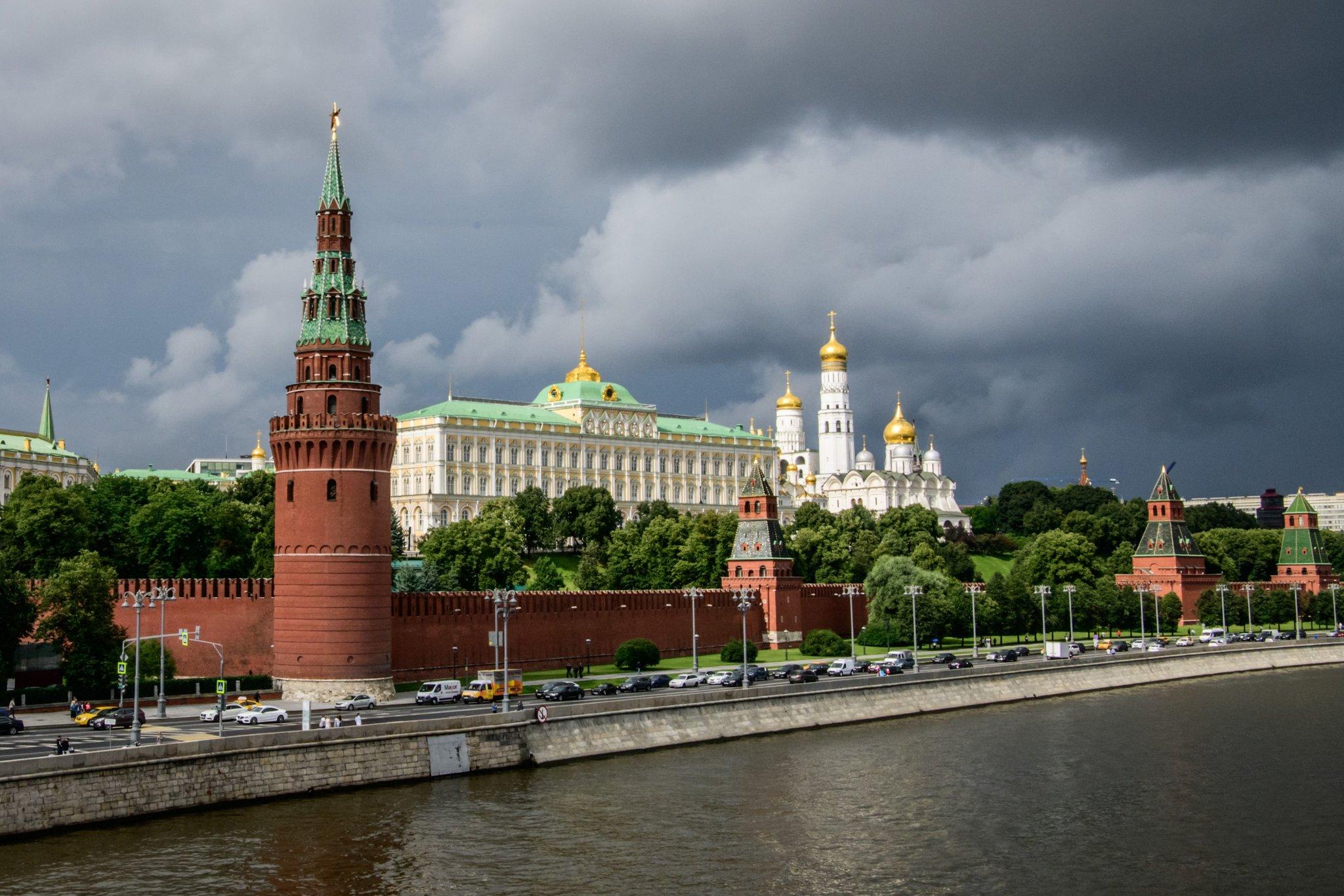
Russian President Vladimir Putin is convinced of the absence of any alternative to the implementation of the trilateral statement on Karabakh, Kremlin spokesperson Dmitry Peskov told journalists today.
The president is a staunch supporter of the lack of alternatives to the implementation of the clauses of the trilateral statement of November 10, 2020, and now active efforts are being made to relieve tension and resolve the situation on the Armenian-Azerbaijani border, Peskov said.
The spokesperson added that Russia is in constant contact with Azerbaijan and Armenia on the issue of resolving the situation in Karabakh.
Today, statements by both the Armenian and Azerbaijani leaders were published, which allow one to judge who was in the first place addressed by Peskov's statement stressing Vladimir Putin's demand to unconditionally fulfill the trilateral agreements.
Azerbaijani President Ilham Aliyev, speaking with his Kazakhstan's President Kassym-Jomart Tokayev, said that there was no border clash with Armenia and that the situation was stable. He described as baseless Armenia’s address to the Russian-led Collective Security Treaty Organization (CSTO), describing it as Armenia’s attempt to internationalize the issue.
Acting Prime Minister of Armenia Nikol Pashinyan said at a meeting of the Armenian Security Council that there is a trend towards the escalation of tensions and aggression of Azerbaijani forces on certain swathes of the Armenian-Azerbaijani border - although all these days the military of both negotiated peacefully, not a single shot was fired. He also rejected the very possibility of negotiations with Azerbaijan on the opening of the Zangezur corridor, and said that Armenia will initiate procedures in accordance with the Collective Security Treaty and the Armenian-Russian strategic system.
Thus, Azerbaijan reported that the situation is developing, it is stable and controlled, while Armenia speaks of tension, calls for Russia's help and refuses to fulfill the agreements on opening transport communications in the region.
That's what Moscow is worried about - Armenia is not only reluctant to recognize the legitimacy of Azerbaijan's control over Garagel and the territories around it, but also demands Russia's help in maintaining the occupation of this territory, while trying to delete the clause on opening of direct communication between Nakhchivan and Zangilan from the November and January agreements. In such conditions, the Kremlin's negative reaction to Yerevan's behavior is quite expected, and one can only welcome that Russia is consistently pursuing a policy of observing its own national interests in the South Caucasus.
As Peskov said, Russia "is making vigorous efforts to defuse tensions" in the region created by Armenia. Both the Armenian authorities and the opposition seek to use the Garagel incident for political purposes, however, because of the republic's internal affairs, the entire post-war settlement process is threatened. It is not yet clear whether such provocations will come to naught after the elections: both Pashinyan and his opponents continue to use a conflict rhetoric, which means that it is too early for everyone, including Russian peacekeepers, to relax in the South Caucasus: the CSTO ally is able to get Moscow in a lot of trouble on the way to the implementation of the November 9 and January 11 statements.


 Latest news
Latest news
Latest newsUS Sanctions Target Russias Main Pillar as Moscow Faces New Pressure on Oil Revenues
19.Sep.2026
Russia Begins State Duma Elections Amid War in Ukraine
18.Sep.2026
Bulgaria Strengthens Protection of Strategic Infrastructure Against Drones and Other Threats
18.Sep.2026
Georgia and Enka: How the Namakhvani Dispute Could Affect the Investment Climate
17.Sep.2026
Una Aleksandra Bērziņa-Čerenkova: After Russia’s Invasion, Latvia Began Banning Russian-Language Media
17.Sep.2026
Rainer Saks: Russia сould lose its influence in Armenia, just as it did in the Baltics
16.Sep.2026
Russian Drones Violated Moldovan Airspace Twice During Zelenskys Trips
16.Sep.2026
Operation Vivaldi: Ukraine Reports Advances Near Lyman as Fighting Intensifies
16.Sep.2026
Kazakhstan and South Korea Elevate Ties to Comprehensive Strategic Partnership
16.Sep.2026
Armenia Energy Diversification: Testing the Limits of Dependence on Russian Gas
15.Sep.2026
Tbilisi Distances Itself from Brussels as Kobakhidze Intensifies Criticism of European Policy
14.Sep.2026
Russia Fuel Crisis Gives the US a New Diplomatic Leverage Tool
14.Sep.2026
Trump Calls on Zelenskyy to Stop Strikes on Russian Oil Infrastructure
13.Sep.2026
Ukraine Expands Pressure on Russia’s Shadow Fleet: Moscow’s Oil Logistics Under Threat
13.Sep.2026
The Riga Conference: Europe Prepares for Long-Term Confrontation with Russia and Reshapes Its Security Architecture
12.Sep.2026