
 09 Nov 2026









US warned its citizens against travel to Azerbaijan and Armenia
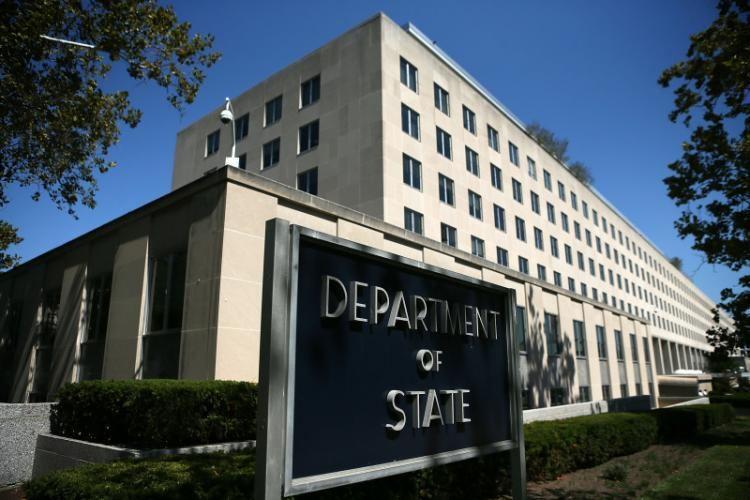
“In connection with COVID-19, do not go on a trip to Azerbaijan. Reconsider your travel plans due to terrorism concerns.” This warning was issued by the US Department of State on its official website. In the warning, the US State Department advises not to visit Azerbaijan and Armenia and raised the threat level to the very maximum - the fourth level.
As the reason, the US State Department points to coronavirus, border tensions, and the danger of terror. The State Department recommended that its citizens refuse unnecessary trips to territories located near the Azerbaijani-Iranian border. In addition, due to the latest operations, he urged his citizens not to visit Karabakh and the territories around it.
“There is a risk in Azerbaijan, which remains for a long time. This risk is associated with the continued planning of possible attacks by terrorist groups in Azerbaijan. Terrorists can attack tourist areas, transport centers, markets, shopping centers, local government facilities, hotels, clubs, restaurants, and places of worship, parks, large sports and cultural events, educational institutions, airports without warning."
The State Department, in its recommendation not to visit Nagorno-Karabakh, indicated that due to restrictions on entry to this region, the US government could not provide urgent assistance to the citizens of its country in Karabakh and the area around it.
The State Department recommended to be careful on the roads near the border of Azerbaijan and Armenia, and to pay attention to crossing the international borders between the two states. The US State Department issued a similar warning regarding trips to Armenia.


 Latest news
EU Commissioner Marta Kos to Discuss Moldova’s Next Steps Towards European Integration in Chișinău
09.Nov.2026
France Expands Intelligence-Gathering Presence in the Black Sea: NATO Strengthens Maritime Surveillance
08.Nov.2026
Abu Dhabi May Host a New Round of Diplomatic Talks on Ukraine: Prospects for Negotiations Remain Uncertain
08.Nov.2026
Mykhailo Samus: The Russia–Ukraine War Is Reshaping the Balance of Power in the Black Sea and the Regional Security Architecture
08.Nov.2026
Armenia Strengthens Its European Course: EU Enlargement and Declining Russian Influence Reshape the Geopolitical Landscape of the South Caucasus
07.Nov.2026
Bulgaria Presents Draft 2027 State Budget: Increased Pensions and Investment in Development
07.Nov.2026
Russian Gerbera-2 Drone Discovered and Destroyed on Bulgaria’s Black Sea Coast
07.Nov.2026
Sofia and Washington Discuss Black Sea Security and the Future of Europe's Security Architecture
07.Nov.2026
Green Energy Corridor: a Strategic Opportunity or an Overly Costly Project?
07.Nov.2026
Kremlin Calls for European Involvement in Security Talks without Offering a Concrete Framework
06.Nov.2026
The Caspian Bridge between Azerbaijan and Kazakhstan: Ambitious Plans without Guarantees of Implementation
05.Nov.2026
Armenia Outlines Prospects for Applying for EU Membership in 2027–2028
04.Nov.2026
Moscow Seeks to Maintain Its Influence in the South Caucasus through the “3+3” Format
03.Nov.2026
Kazakhstan Resumes Oil Transit through Russia after Drone Attack
03.Nov.2026
Iliana Yotova's Victory Strengthens Political Stability and Bulgaria's Position in the Black Sea Region
02.Nov.2026