
 20 Sep 2026









Russia can detect any enemy and deliver an inevitable strike, says Putin
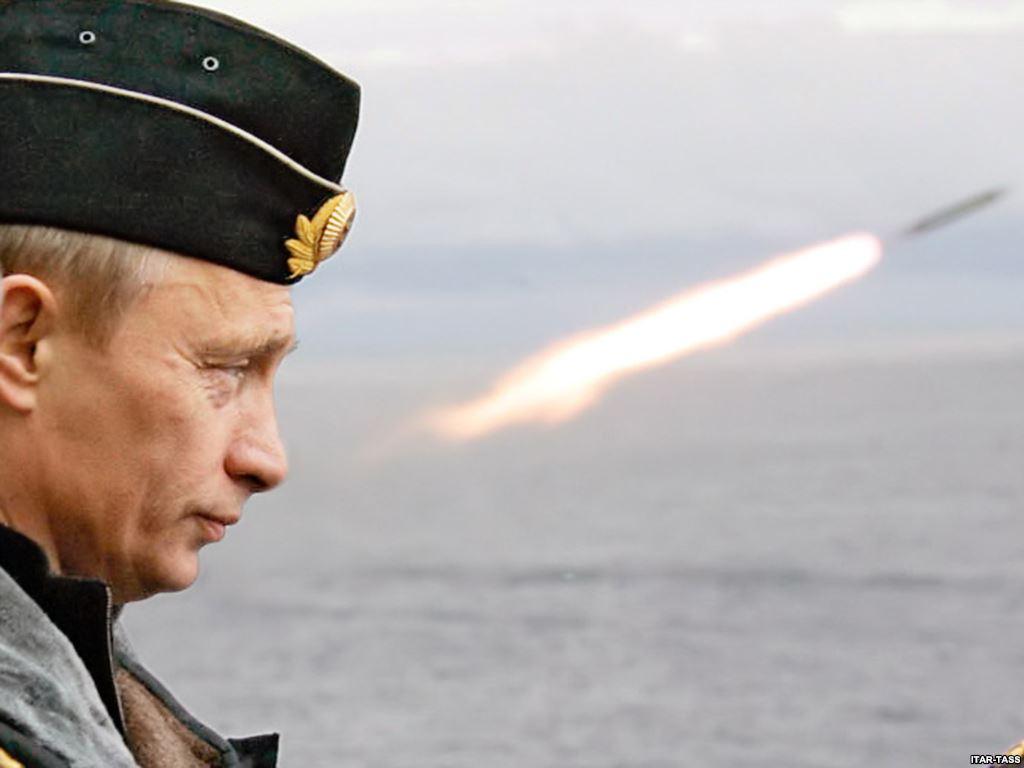
Russia is constantly and successfully improving its naval armaments and can detect any enemy and deliver an inevitable strike against it, if necessary, Russian President Vladimir Putin said ahead of the beginning of the Main Naval Parade on Sunday.
"Russia has taken a worthy place among the leading naval powers within the shortest time possible, passed a colossal way of its development from a modest boat of [Russian Tsar] Peter the Great to powerful ocean-going naval ships and nuclear-powered underwater missile-carrying cruisers, created effective long-and short-range naval aviation, reliable coastal defense systems and the latest hypersonic precision weapons still unrivaled in the world, which we are improving constantly and successfully," the Russian president said.
Today the Russian Navy has all the necessary potential for the reliable protection of the Motherland and Russia’s national interests, Putin stressed.
"We are capable of detecting any underwater, surface and aerial enemy and deliver an inevitable strike against it, if necessary," the Russian leader assured.
Russia has ensured its naval presence actually in all the areas of the World Ocean, Putin said, noting that "faithful heirs of the Fatherland’s naval military glory" were on guard watch in the northern and southern latitudes.
As the Russian leader pointed out, service in the Navy is the most honorable and in-demand duty while skilled sailors and competent commanders serving in the Russian Baltic, Northern, Pacific and Black Sea Fleets and the Caspian Flotilla are known to everyone.
"I am confident that the glory of the St. Andrew’s [Russian naval] flag will never fade away thanks to the professionalism and endurance of naval sailors and pilots, the personnel of marine infantry and coastal defense units and their faithfulness to the Fatherland and the Russian Navy," Putin said.


 Latest news
Latest news
Latest newsUS Sanctions Target Russias Main Pillar as Moscow Faces New Pressure on Oil Revenues
19.Sep.2026
Russia Begins State Duma Elections Amid War in Ukraine
18.Sep.2026
Bulgaria Strengthens Protection of Strategic Infrastructure Against Drones and Other Threats
18.Sep.2026
Georgia and Enka: How the Namakhvani Dispute Could Affect the Investment Climate
17.Sep.2026
Una Aleksandra Bērziņa-Čerenkova: After Russia’s Invasion, Latvia Began Banning Russian-Language Media
17.Sep.2026
Rainer Saks: Russia сould lose its influence in Armenia, just as it did in the Baltics
16.Sep.2026
Russian Drones Violated Moldovan Airspace Twice During Zelenskys Trips
16.Sep.2026
Operation Vivaldi: Ukraine Reports Advances Near Lyman as Fighting Intensifies
16.Sep.2026
Kazakhstan and South Korea Elevate Ties to Comprehensive Strategic Partnership
16.Sep.2026
Armenia Energy Diversification: Testing the Limits of Dependence on Russian Gas
15.Sep.2026
Tbilisi Distances Itself from Brussels as Kobakhidze Intensifies Criticism of European Policy
14.Sep.2026
Russia Fuel Crisis Gives the US a New Diplomatic Leverage Tool
14.Sep.2026
Trump Calls on Zelenskyy to Stop Strikes on Russian Oil Infrastructure
13.Sep.2026
Ukraine Expands Pressure on Russia’s Shadow Fleet: Moscow’s Oil Logistics Under Threat
13.Sep.2026
The Riga Conference: Europe Prepares for Long-Term Confrontation with Russia and Reshapes Its Security Architecture
12.Sep.2026