
 14 Jul 2026









An Alliance Without Illusions: Why Russia Needs Azerbaijan
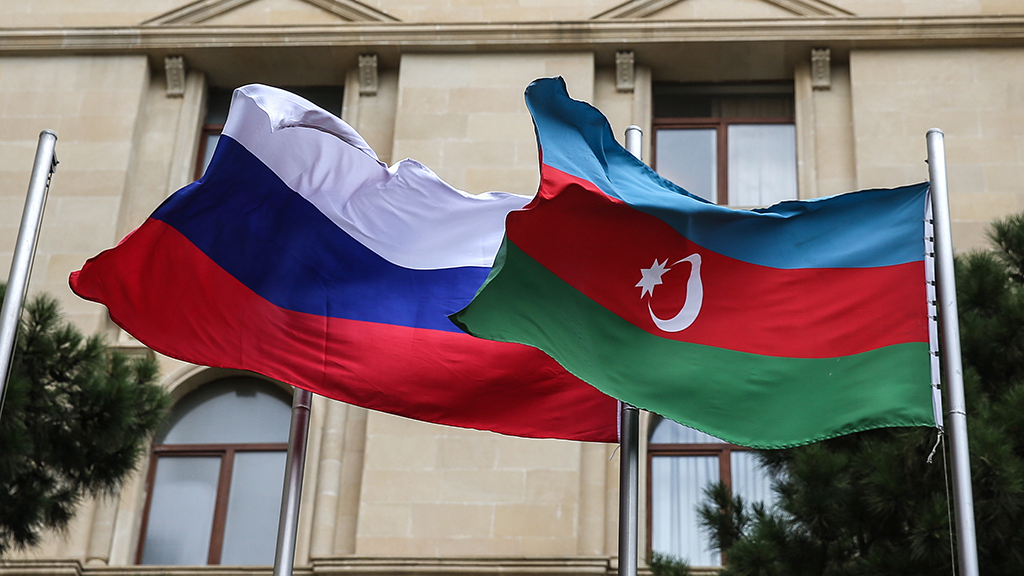
Amid growing international tensions and escalating
geopolitical conflicts, Russia and Azerbaijan continue to maintain a
strategically important dialogue. Kremlin spokesman Dmitry Peskov confirmed
that diplomats from both countries are "actively working to preserve
allied relations" and are in constant contact.
This statement from the Kremlin comes against the backdrop
of mounting pressure from the West and increasing disputes in the South
Caucasus. With regional instability on the rise — particularly amid
Armenian-Azerbaijani frictions and the growing interest of Turkey, Iran, and
China in the region — Russia clearly does not want to lose Baku as one of its
closest partners.
Peskov emphasized that Moscow considers Azerbaijan not only
a friendly state, but also a key element in the architecture of regional
security.
"It is important not only to preserve the alliance but also to develop it", the Kremlin representative noted.
Azerbaijan plays a pivotal role in the Middle Corridor
project and in supplying energy resources to Europe. Moreover, despite its
neutral stance in the Russia-Ukraine conflict, Baku maintains open channels of
communication with Russian security structures. In addition, active cooperation
continues through the Federal Lezgin National and Cultural Autonomy (FLNKA),
along with exchanges in education and healthcare.
It appears that Moscow is striving to prevent any diplomatic
cooling that could allow Turkish or Western influence over Azerbaijan to grow.
In the coming weeks, new visits and consultations are expected between the two
sides, possibly including a meeting between foreign ministers or heads of state
at an upcoming international summit.
"Russia will make every effort to keep Baku within its sphere of influence. Any cracks in the relationship with Azerbaijan could become an opportunity for Ankara, Brussels, or Beijing", notes political analyst Artyom Mikheev.


 Latest news
Latest news
Latest newsUS Ready to Lift Sanctions on Turkiye and Restore Its Participation in the F-35 Program
09.Jul.2026
Trump Announces Transfer of License to Ukraine for Patriot Interceptor Missile Production
09.Jul.2026
The NATO Summit in Ankara Marked a New Stage in the Alliance's Transformation
08.Jul.2026
The war in Ukraine - the “liberation of Novorossiya” is a mission impossible
07.Jul.2026
Ursula von der Leyen's Visits to Baku and Yerevan Signal Brussels' New Strategy
07.Jul.2026
Putin's Approval Ratings Decline as Russians Grow Increasingly Concerned About the Economy and the War
06.Jul.2026
Erdogan and Radev Discuss Black Sea Security and Defense Cooperation
06.Jul.2026
OPEC+ Accelerates Output Recovery as Kazakhstan Increases Oil Production from August
05.Jul.2026
Georgia and Uzbekistan Elevate Relations to Strategic Partnership
05.Jul.2026
Iran Turns Khamenei Funeral into a Show of Strength as Week-Long National Mourning Begins
04.Jul.2026