
 20 Sep 2026









The Karabakh issue is a legal issue, not territories. Armenia recognized the integrity of Azerbaijan back in 1991 - Pashinyan
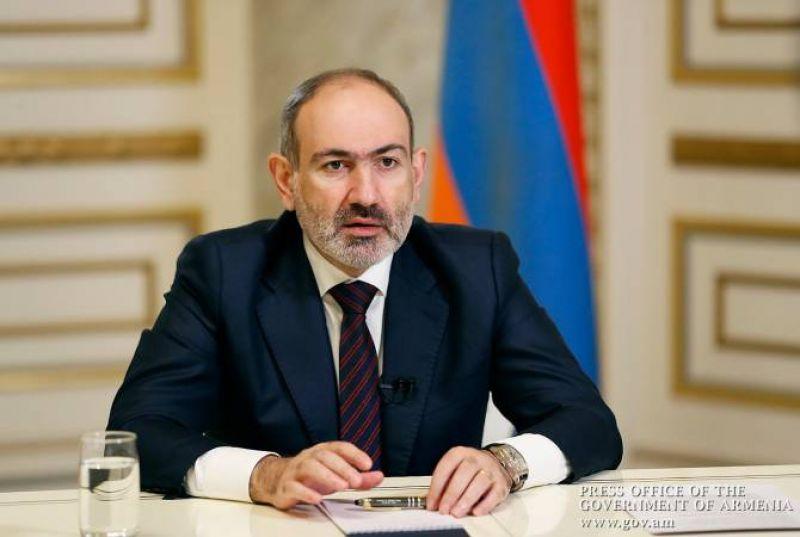
Armenia was ready for an online meeting on November 9 if this meeting would resolve the issue of returning the prisoners. As this was not expected, it was “suggested” to change the date of the meeting. Armenian Prime Minister Nikol Pashinyan stated this on November 23 during an online press conference.
According to him, he proposed to postpone the meeting until November 15, but it was proposed to hold the meeting on November 26 face to face.
Armenia does not avoid direct contacts with Azerbaijan, Pashinyan said, commenting on the establishment of a direct connection between the defense ministers of the two countries. This will make it possible to establish who committed the "provocation", he said.
Referring to the upcoming meeting in Brussels on December 15, he noted that "humanitarian issues, including prisoners" will be discussed.
As for the meeting on November 26 in Sochi, preparations for it have been going on for a long time, Pashinyan said. Contacts between representatives of Armenia and Azerbaijan should be more frequent so that crises can be avoided.
Further, Pashinyan accused Azerbaijan of trying to disrupt negotiations on unblocking communications, putting forward the topic of the "Zangezur Corridor".
“Yerevan will do everything to prevent Baku from doing it,” he said.
According to Pashinyan, the demarcation and delimitation of the border, the Karabakh problem, the opening of communications are separate issues that should be discussed separately.
Then Pashinyan made an important statement that in 1991 Armenia and Azerbaijan in the process of creating the CIS and, having signed a declaration and an interstate agreement, "mutually recognized territorial integrity."
“Then the problem of Karabakh also existed. The question is: is the Karabakh problem a territory problem? In our understanding, this is a matter of law, ”Pashinyan explained.
As for unblocking communications, the working group created on the basis of the January 11 statement came to the conclusion that the roads will operate within the framework of the sovereignty and territorial integrity of the countries, and the roads can be used on a parity basis, he said.


 Latest news
Latest news
Latest newsUS Sanctions Target Russias Main Pillar as Moscow Faces New Pressure on Oil Revenues
19.Sep.2026
Russia Begins State Duma Elections Amid War in Ukraine
18.Sep.2026
Bulgaria Strengthens Protection of Strategic Infrastructure Against Drones and Other Threats
18.Sep.2026
Georgia and Enka: How the Namakhvani Dispute Could Affect the Investment Climate
17.Sep.2026
Una Aleksandra Bērziņa-Čerenkova: After Russia’s Invasion, Latvia Began Banning Russian-Language Media
17.Sep.2026
Rainer Saks: Russia сould lose its influence in Armenia, just as it did in the Baltics
16.Sep.2026
Russian Drones Violated Moldovan Airspace Twice During Zelenskys Trips
16.Sep.2026
Operation Vivaldi: Ukraine Reports Advances Near Lyman as Fighting Intensifies
16.Sep.2026
Kazakhstan and South Korea Elevate Ties to Comprehensive Strategic Partnership
16.Sep.2026
Armenia Energy Diversification: Testing the Limits of Dependence on Russian Gas
15.Sep.2026
Tbilisi Distances Itself from Brussels as Kobakhidze Intensifies Criticism of European Policy
14.Sep.2026
Russia Fuel Crisis Gives the US a New Diplomatic Leverage Tool
14.Sep.2026
Trump Calls on Zelenskyy to Stop Strikes on Russian Oil Infrastructure
13.Sep.2026
Ukraine Expands Pressure on Russia’s Shadow Fleet: Moscow’s Oil Logistics Under Threat
13.Sep.2026
The Riga Conference: Europe Prepares for Long-Term Confrontation with Russia and Reshapes Its Security Architecture
12.Sep.2026