
 24 Aug 2026









U.S. to end sanctions waivers allowing some work at Iran nuclear sites
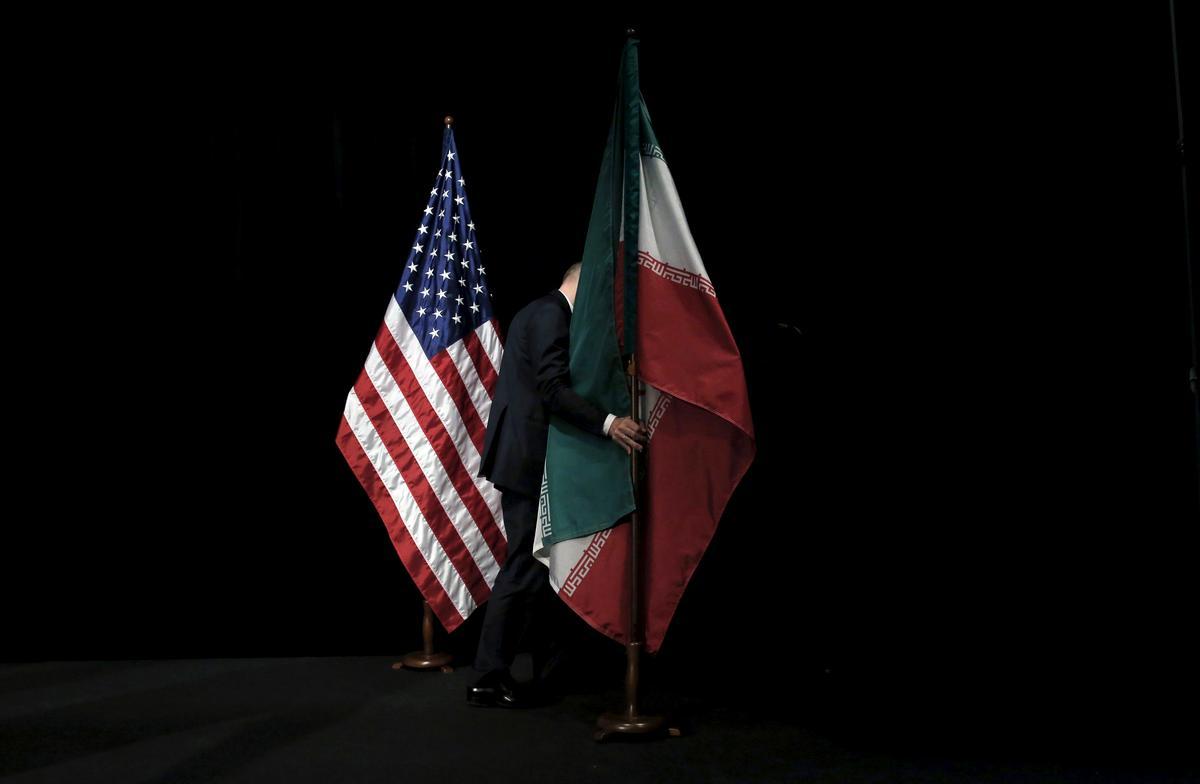
The United States said on Wednesday it will terminate sanctions waivers that had allowed Russian, Chinese and European companies to carry out work originally designed to make it harder for Iranian nuclear sites to be used for weapons development, as Reuters reported.
The waivers, which officials said expire on July 27, covered the conversion of Iran’s Arak heavy water research reactor, the provision of enriched uranium for its Tehran Research Reactor and the transfer of spent and scrap reactor fuel abroad.
In a statement, U.S. Secretary of State Mike Pompeo gave no precise justification for the move, which will halt some work originally designed to make it more difficult for Iran to potentially develop fissile material for nuclear bombs.
However, Pompeo said Washington would extend for 90 days a waiver allowing foreign work at a Russian-built nuclear power plant at Bushehr to ensure safety.
The wider decision seemed aimed at tightening the U.S. “maximum pressure” policy applied since Washington abandoned the 2015 Iran nuclear deal two years ago. That deal eased economic sanctions on Iran in return for curbs on its nuclear program.
“Because of our pressure, Iran’s leaders are facing a decision: either negotiate with us or manage economic collapse,” U.S. Special Representative for Iran Brian Hook told reporters.
Since the U.S. withdrawal and the revival of U.S. sanctions to cut Iran’s oil exports, Tehran has boosted its nuclear work in what analysts see as an effort to change U.S. policy or increase Iranian leverage in any negotiation.
“The Iranian regime has continued its nuclear brinkmanship by expanding proliferation sensitive activities,” Pompeo said, adding this “will lead to increased pressure on Iran.”
Pompeo announced U.S. sanctions on Atomic Energy Organization of Iran officials Majid Agha’i and Amjad Sazgar, whom he accused of potentially contributing to the spread of weapons of mass destruction.


 Latest news
Latest news
Latest newsThe United States Rapidly Expands Missile Production: Pentagon Accelerates Output of Tomahawks and Other Critical Weapons
24.Aug.2026
Record Supplies: Armenia Boosts Fish Exports to Georgia
23.Aug.2026
Political Battle During Wartime: Zelensky Opposes Elections
23.Aug.2026
Romania Approves Construction of One of the Largest Solar Power Plants in Europe
23.Aug.2026
Ex-Ukrainian Defence Minister Fails in Bid to Pressure Zelenskiy
22.Aug.2026
Upper Lars: Why Border Queues Have Become a Political Signal for Georgia and Russia
22.Aug.2026
Russia-Ukraine War: No Decisive Breakthrough on the Front and Intensifying Ukrainian Deep Strikes on Russia
21.Aug.2026
TRIPP, Peace, and a New Geopolitical Crossroads: How Armenia Has Changed One Year After Washington
20.Aug.2026
Tokayev Updates Kazakhstan Foreign Policy Concept: Astana Strengthens Its Strategic Multi Vector Approach
19.Aug.2026
Ukraine Turns Ground Robots into a New Tool in the Fight Against Russia
19.Aug.2026
Tehran Threatens a New Round of War After Talks With the US Collapse
18.Aug.2026
Drones Over Moldova: Accident or a New Threat to National Security?
17.Aug.2026
Spanish F-18 Fighter Jet Shoots Down Drone That Violated Romanian Airspace
17.Aug.2026
The Black Sea Becomes a Risk Zone: Can Turkiye Protect Key Trade Routes?
16.Aug.2026
Ukraine Intensifies Long-Range Strikes: Flamingo Missiles Hit a Rocket and Space Center and Airbase in Russia
15.Aug.2026