
 29 Aug 2026









Delay in the Delivery of M1A1 Abrams Tanks to Ukraine: Geopolitical and Logistical Aspects
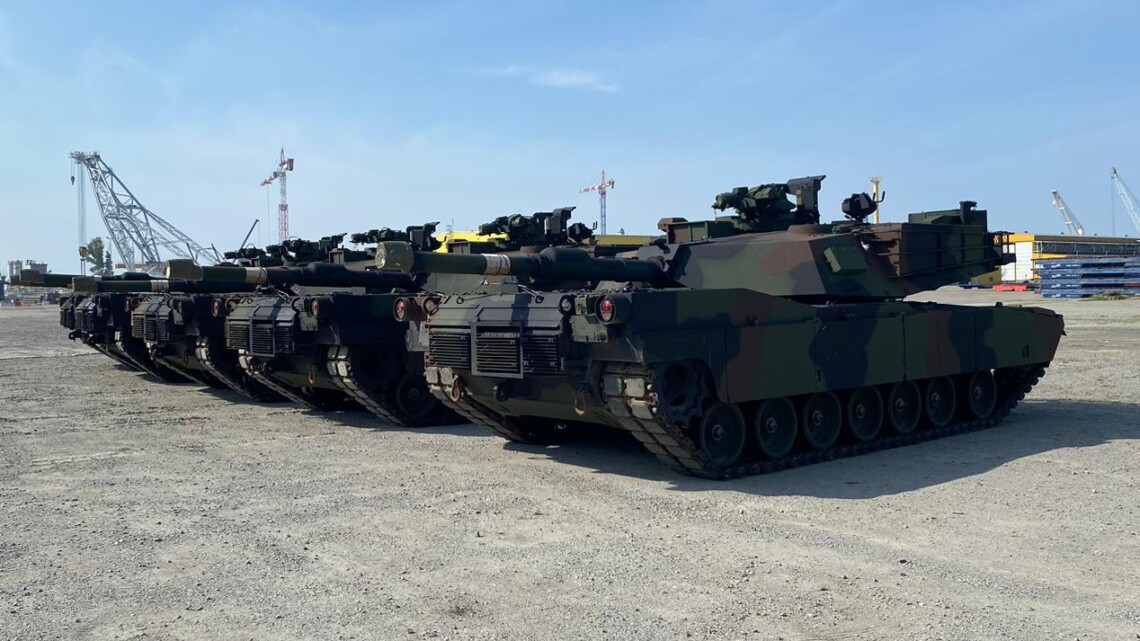
The delivery of 49 Australian M1A1 Abrams tanks to Ukraine has encountered an unexpected delay due to the withdrawal of U.S. military logistics units from a key transport hub in Rzeszów, Poland. This move follows the temporary suspension of military aid to Ukraine initiated by U.S. President Donald Trump. The incident underscores the complexity of the Western supply system supporting Kyiv and the potential vulnerabilities in international military equipment deliveries.
Since the beginning of the war, the logistics hub in Rzeszów has been the primary redistribution point for Western military aid to Ukraine. Reports indicate that over 80% of all supplied equipment and weaponry has passed through this facility. The withdrawal of U.S. logistics specialists has significantly complicated the transportation of heavy equipment, including the Australian Abrams tanks, raising concerns among Western allies.
Australia previously announced the transfer of these tanks to Ukraine as part of a military aid package exceeding $1.3 billion. However, according to U.S. officials, Washington initially warned Canberra about the maintenance and logistical challenges associated with these combat vehicles. The Abrams requires substantial resources for maintenance and fuel supply, making its use more difficult in the context of intense combat operations.
Despite these warnings, Australian authorities deemed the tank transfer crucial for helping Ukraine compensate for armored vehicle losses and strengthening its defense capabilities. However, the delivery delay now threatens the short-term implementation of this assistance.
Military analysts, including former Australian Army Major General Mick Ryan, have suggested several alternative solutions, such as direct cooperation between Australia and Poland or involving private logistics companies. However, these options carry additional risks related to the security of supplies and potential financial costs.
Polish Defense Minister Władysław Kosiniak-Kamysz stated that the logistics hub resumed operations after a week-long disruption. However, experts doubt its full functionality without the participation of American specialists. Meanwhile, Australia continues negotiations with the U.S. and Poland to explore possible routes for delivering the tanks to Ukraine.
This situation once again highlights Ukraine's reliance on Western military aid and the complexity of international coordination in arms deliveries. Moreover, the withdrawal of U.S. logistics personnel from Rzeszów may signal potential shifts in U.S. policy toward Ukraine under the new Trump administration. In this context, European allies, including Poland, may have to assume greater responsibility for ensuring logistical support for shipments.
For Ukraine, the delay in Abrams deliveries means missed opportunities on the battlefield, where armored vehicles play a crucial role in countering Russian forces. For Australia, this case serves as a test of its international commitments and its ability to swiftly deliver aid to a conflict zone.
The situation remains uncertain, and the outcome of negotiations between Australia, the U.S., and Poland will be a decisive factor in the fate of this delivery. As of now, the tanks remain stuck in Europe, symbolizing both international support for Ukraine and the challenges of implementing that support in practice.


 Latest news
Russia Intensifies Strikes on Ukraine’s Infrastructure, Targeting Warehouses and Logistics Hubs
28.Aug.2026
A New Economic Framework for Central Asia and the Caucasus: The Role of Azerbaijan and Uzbekistan
28.Aug.2026
Moscow Warns London: Russia Considers Strikes on British Military Targets
27.Aug.2026
Kazakhstan Launches a New Economic Strategy: GDP Growth, Investment and Pension Reform
27.Aug.2026
CIA Director Visits Moscow: Trump Hopes for Results
26.Aug.2026
Former Ukrainian Defense Minister Warns of Risk of Gradual Defeat in War with Russia
25.Aug.2026
Putin Authorizes Temporary State Management of Critical Infrastructure Vulnerable to Drone Attacks
24.Aug.2026
The United States Rapidly Expands Missile Production: Pentagon Accelerates Output of Tomahawks and Other Critical Weapons
24.Aug.2026
Record Supplies: Armenia Boosts Fish Exports to Georgia
23.Aug.2026
Political Battle During Wartime: Zelensky Opposes Elections
23.Aug.2026
Romania Approves Construction of One of the Largest Solar Power Plants in Europe
23.Aug.2026
Ex-Ukrainian Defence Minister Fails in Bid to Pressure Zelenskiy
22.Aug.2026
Upper Lars: Why Border Queues Have Become a Political Signal for Georgia and Russia
22.Aug.2026
Russia-Ukraine War: No Decisive Breakthrough on the Front and Intensifying Ukrainian Deep Strikes on Russia
21.Aug.2026
TRIPP, Peace, and a New Geopolitical Crossroads: How Armenia Has Changed One Year After Washington
20.Aug.2026