
 14 Jul 2026









Railway Breakthrough: Armenia Integrates into the Akhalkalaki–Kars Route
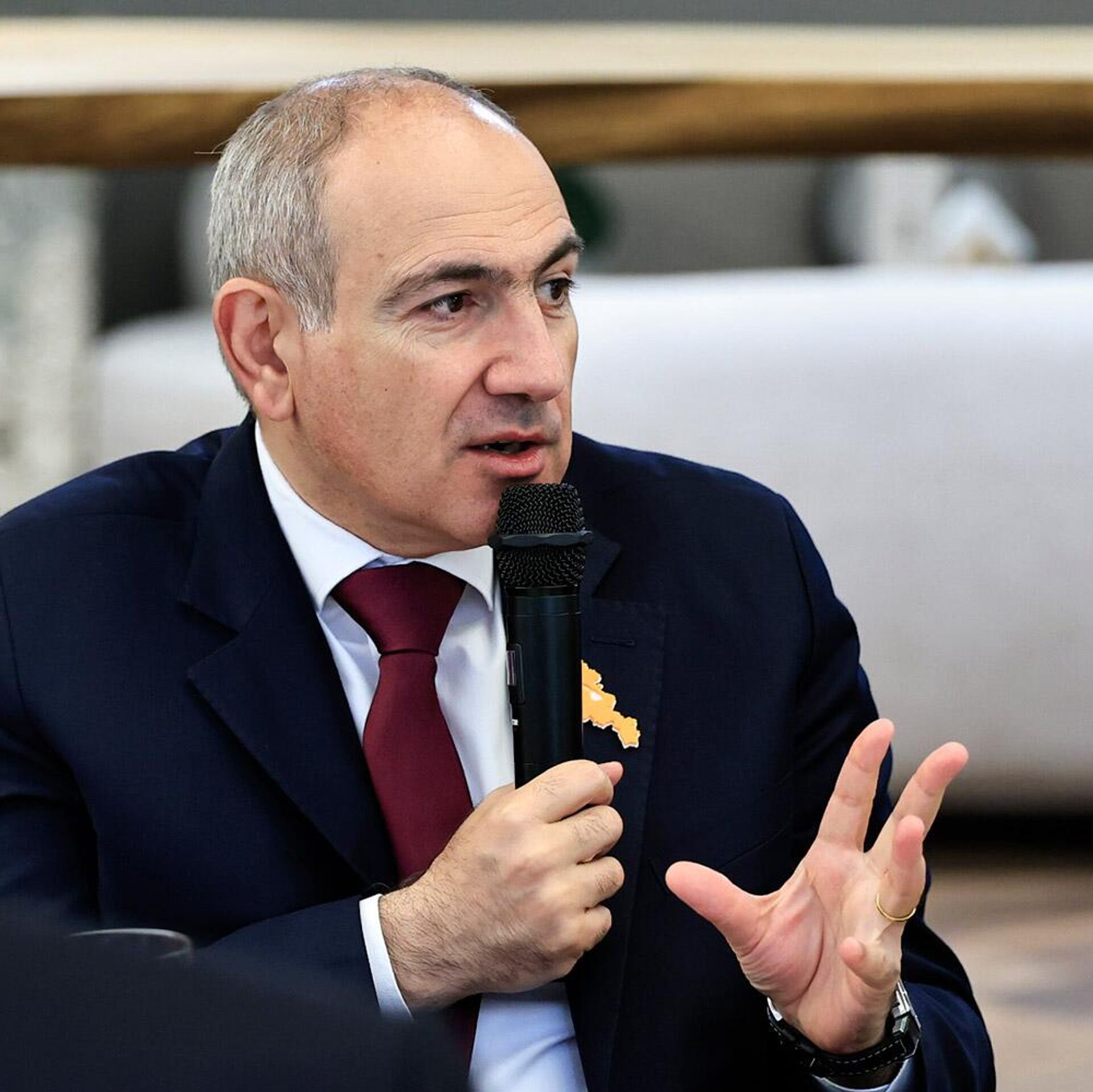
Armenian Prime Minister Nikol Pashinyan has announced the opening of the Akhalkalaki–Kars railway route for Armenian exports and imports. The decision is already being hailed as one of the country's most significant economic and geopolitical developments in recent decades.
According to Pashinyan, Armenia now gains a new railway corridor through Georgia and Turkiye, connecting the country not only to Turkish ports but also to the European market. The head of government emphasized that the route opens up additional trade and logistics opportunities for Armenian companies.
The route in question is the Akhalkalaki–Kars railway line, which is part of the Baku–Tbilisi–Kars international transport corridor. This route was commissioned back in 2017 by Azerbaijan, Georgia, and Turkiye; however, Armenia practically remained excluded from the project due to closed borders and decades of regional isolation.
Now, the situation is changing. According to Pashinyan, Armenia will be able to transport goods through the territory of Georgia and Turkiye toward Europe, as well as expand its transit options toward Russia and China. The Prime Minister specifically thanked Turkiye and Georgia for their cooperation in launching the route.
Economic experts believe that opening this route could significantly reduce transport costs for Armenian businesses. Until now, a major share of Armenia's foreign trade relied on road transport via Georgian Black Sea ports. The new railway channel is expected to accelerate deliveries, lower logistics costs, and increase the resilience of foreign trade.
This event holds particular significance in the context of the ongoing transformation of the South Caucasus regional transport system. Following decades of virtual blockade, Armenia is beginning to gradually integrate into new Eurasian logistics routes. Analysts note that this could also serve as a major step forward in the normalization of Armenian-Turkish relations.
The Kars–Gyumri route was closed back in 1993 following the outbreak of the First Nagorno-Karabakh War and the subsequent closure of the Turkish-Armenian border. Since then, rail communication between the two countries has been virtually non-existent.
Against this backdrop, Pashinyan's statement is viewed not only as an economic signal but as a political one as well. The Armenian authorities are attempting to demonstrate their readiness for the unblocking of regional communications and the development of pragmatic cooperation with neighboring countries.
Meanwhile, reactions within Armenian society and opposition circles remain mixed. Critics of the government fear an increased dependence on external transport corridors and believe that Yerevan is making serious concessions to Ankara and Baku for the sake of economic benefits. Nonetheless, many international observers view the launch of the route as one of the first practical outcomes of the gradual normalization of the situation in the South Caucasus after years of conflict. If the project is fully implemented, Armenia will, for the first time in many years, secure a full-fledged railway link to European markets through Turkiye.


 Latest news
Latest news
Latest newsUS Ready to Lift Sanctions on Turkiye and Restore Its Participation in the F-35 Program
09.Jul.2026
Trump Announces Transfer of License to Ukraine for Patriot Interceptor Missile Production
09.Jul.2026
The NATO Summit in Ankara Marked a New Stage in the Alliance's Transformation
08.Jul.2026
The war in Ukraine - the “liberation of Novorossiya” is a mission impossible
07.Jul.2026
Ursula von der Leyen's Visits to Baku and Yerevan Signal Brussels' New Strategy
07.Jul.2026
Putin's Approval Ratings Decline as Russians Grow Increasingly Concerned About the Economy and the War
06.Jul.2026
Erdogan and Radev Discuss Black Sea Security and Defense Cooperation
06.Jul.2026
OPEC+ Accelerates Output Recovery as Kazakhstan Increases Oil Production from August
05.Jul.2026
Georgia and Uzbekistan Elevate Relations to Strategic Partnership
05.Jul.2026
Iran Turns Khamenei Funeral into a Show of Strength as Week-Long National Mourning Begins
04.Jul.2026