
 13 Oct 2026









Digital Kazakhstan programme created 8,000 jobs in 2019
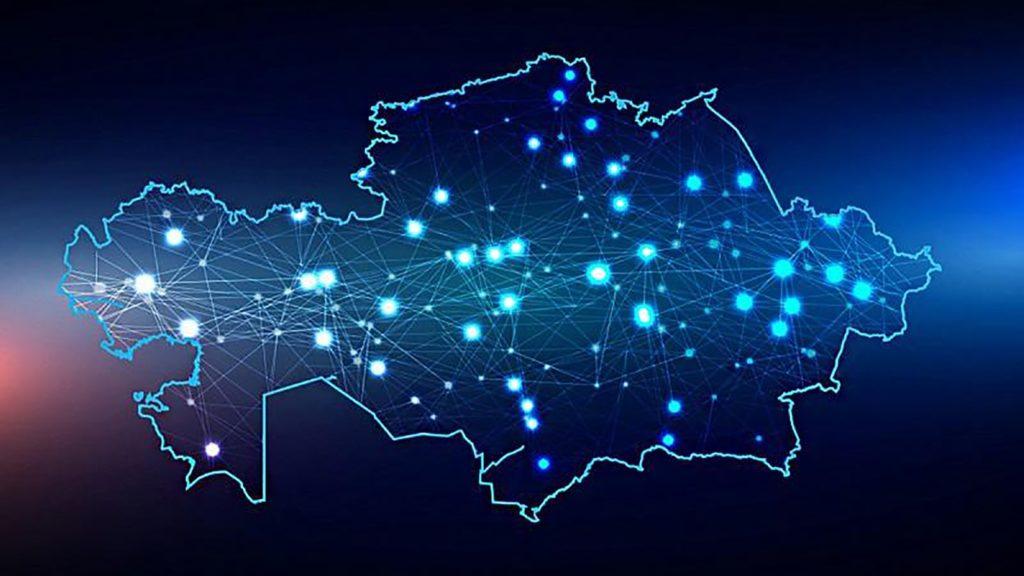
Digital Kazakhstan programme helped create 8,000 jobs last year, with the programme’s total economic effect exceeding 600 billion tenge (US$1.58 billion) for 2018 and 2019. The digital technologies brought noticeable improvements in the public services, education, healthcare, financial, transport, mining and metallurgical sectors.
“Digitisation can become an engine of the national economy and a generator of permanent jobs,” said a statement from the prime minister’s press service, The Astana Times reports.
The programme has digitised 80.2 percent of public services and more than 9.8 million services were provided in 2019 in the social labour sphere. The digital projects saved employers and job seekers 862.2 million tenge (US$2.27 million).
Digitising public services has reduced paperwork by 70.8 million documents and provided an indirect economic effect of more than 8.4 billion tenge (US$22.16 million).
The vast majority of the country’s 18.6 million population have regional electronic health passports. In hospitals, 97.5 percent of healthcare organisations are equipped with computers and connected to the Internet.
Online doctor appointments have reduced live queues by 30 percent and halved patient time spent in polyclinics. The electronic labour exchange halved the processing time and made the procedure transparent.
In 2019, more than 488,000 applicants were employed through e-service, approximately 350,000 of whom gained permanent employment. Kazakh citizens signed 742,000 electronic contracts.
The programme has also digitised economic sectors. It introduced digital technologies at fuel, energy, mining and metallurgical complexes with elements of Industry 4.0 among their technological re-equipment.
Embamunaigas, Karazhanbasmunai, Kazgermunai and Ozenmunaygas have been using the intellectual field information system. The system optimised electricity consumption cost up to 15 percent, stabilised production level to 2 percent and provides centralised field management and remote monitoring.
The magistral project has improved train traffic safety, as it detects track faults and rail defects in a timely manner. Three mobile diagnostic system units currently examine trunk network infrastructure and the project is planning to add three more units. The system examined 19,000 kilometres of track during the fourth quarter of 2019, identifying 190 kilometres of poorly rated track and 85 pieces of dangerous rails.
The Intelligent Transportation System project digitised transport and logistics. The system collects and processes data on roads, vehicles, toll roads and intercity bus passengers, as well as on issued tickets. The project also installed toll systems on the Almaty-Kapchagai (42 kilometres), Almaty-Khorgos (295 kilometres) and Astana-Temirtau (134 kilometres) roads.
In September, the project introduced 24 special automated measuring instruments that identified approximately 82 weight violations and recovered 8.6 million tenge (US$22,685.3) in fees and fines.
The project has been creating model digital factories that will demonstrate digitisation’s effect and impact, identify barriers and develop state support tools. As a part of the programme, work began on 51 projects and 16 were completed.
Astana Hub, one of big parts of Digital Kazakhstan, has created conditions for obtaining tax, labour and visa benefits and start-up development programmes.
“The programmes of our technology park gave us the opportunity to understand how good Kazakhstan’s start-up projects are and how rapidly they are moving towards the level of a developed international start-up ecosystem. After examining the quality of our projects, we can conclude that our investment in them paid off,” said Astana Hub General Director Joseph Ziegler, reported the press service.
To date, the hub has given rise to 163 IT companies, nearly 700 start-ups, 17 research and development centres involving domestic and foreign IT companies and the Alem programming school. The local content share is 57.7 percent.
In 2019, Astana Hub organised more than 530 events attended by approximately 17,000 visitors. The techno park also inked memorandums of cooperation with 25 international organisations.
“These measures helped create favourable conditions for the development of a start-up culture and attracted more than 18 billion tenge (US$47.48 million) in 2019 in domestic start-up projects. The total volume of attracted investments in the IT market of Kazakhstan over the past two years amounted to approximately 32.4 billion tenge (US$85.47 million),” said the statement.
In education, 6,703 of 7,014 schools were equipped with computers. School students use electronic diaries and journals.
“The digitisation of the education system has reduced the gap in the quality of education between rural and urban schools by more than 30 percent,” it added.


 Latest news
Latest news
Latest newsGeorgia’s Constitutional Court Continues Case on Banning Opposition Parties: Political Pluralism at Stake
12.Oct.2026
Azerbaijan and Iran Step Up Security Contacts Amid Hijab Protests
12.Oct.2026
Personnel Shortages Complicate Ukrainian Forces’ Rotation: Ukraine Faces Long-Term Challenges on the Front Line
11.Oct.2026
Trump Eases Sanctions on Russian Fuel After Talks with Putin: Kyiv Fears Boost to Moscow’s War Revenues
10.Oct.2026
Putin Seeks to Strengthen Russia’s Influence in the Post-Soviet Space Through the CIS
10.Oct.2026
Russia and the South Caucasus: External Pressure, Political Competition and a Crisis of Trust
10.Oct.2026
Peaceful Settlement Between Armenia and Azerbaijan: Moving from Declarations to Implementation
10.Oct.2026
Moldova Ready to Accept as Many Ukrainians as Necessary if Situation Worsens This Winter
09.Oct.2026
Turkmenistan Turns Avaza into a Regional Diplomatic Hub as Caspian, Central Asian and CIS Agendas Converge
08.Oct.2026
Romania Scrambles Spanish F-18s After Aerial Targets Detected Near Ukrainian Border
07.Oct.2026
Berlin Deepens Defence Partnership with Kyiv: Germany to Provide Ukraine with €1 Billion in Military Aid
07.Oct.2026
European Parliament Against Georgian Dream: EU Prepares New Response to Tbilisi
06.Oct.2026
Bulgarian Foreign Minister to Discuss European Security and International Law in the Netherlands
05.Oct.2026
Rheinmetall in Bulgaria: Sofia Emerges as a New NATO Defence-Industrial Hub in the Balkans
05.Oct.2026
The Cost of a Long War: Moscow Expands Spending Plans Through 2029
05.Oct.2026