
 13 Oct 2026









Trump Eases Sanctions on Russian Fuel After Talks with Putin: Kyiv Fears Boost to Moscow’s War Revenues
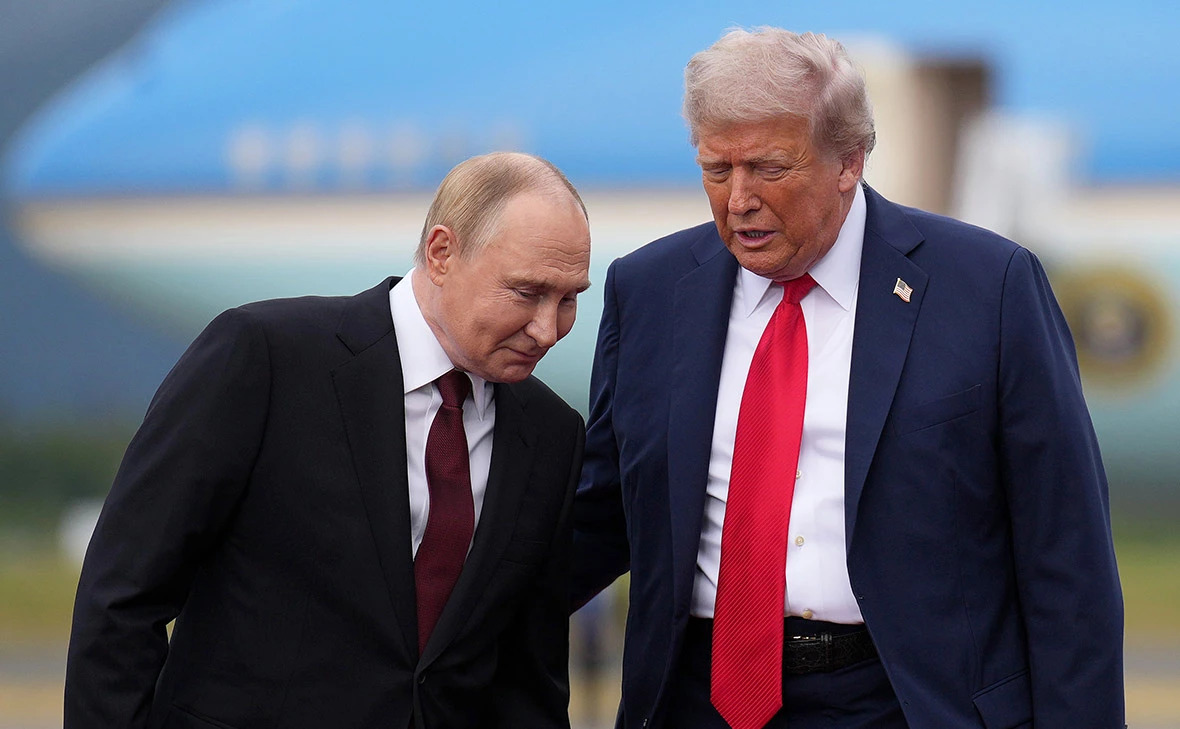
US President Donald Trump has
announced an agreement with Russian President Vladimir Putin on supplies of
Russian diesel fuel to the US and global markets. Washington has temporarily eased
sanctions restrictions to allow the exports, prompting criticism from Ukraine
and concern among US lawmakers over the potential economic benefits for the
Kremlin.
On October 9, Trump announced
that, following a conversation with Putin, Russia had agreed to immediately
supply more than 300,000 tonnes of diesel fuel to the US and global markets.
According to the US president, a further 500,000 tonnes are expected in
November, followed by additional deliveries of 1 million tonnes. Trump also
said he expected to receive another 3 million tonnes of fuel from Russia within
a relatively short period, depending on the operational capacity of Russian oil
refineries.
The US administration has
temporarily eased sanctions restrictions on Russian fuel. According to the
Associated Press, the US Department of the Treasury issued a six-month
authorisation allowing the relevant shipments to proceed. The decision comes
amid a sharp rise in diesel prices. Diesel is essential for freight
transportation, agriculture and heating. Higher fuel costs are adding to
inflationary pressures and creating additional political risks for the Trump
administration ahead of the congressional midterm elections scheduled for
November 3.
For Moscow, the agreement
creates an opportunity to restore some export channels for petroleum products
that have been restricted by sanctions imposed following Russia’s full-scale
invasion of Ukraine in February 2022. Additional sales could generate new
revenue for Russian producers at a time when Ukrainian strikes on oil-refining
facilities and export restrictions are complicating the sector’s operations.
However, the actual volumes delivered, payment terms and ultimate economic
impact of the agreement remain to be assessed.
Ukrainian President Volodymyr
Zelenskyy criticised Washington’s decision, describing it as unfair and
dishonest. In his view, easing sanctions without securing reciprocal
commitments from Moscow could provide Russia with economic advantages without
bringing the parties closer to ending the war. Zelenskyy also indicated that
Kyiv could consider easing energy-related restrictions as part of a broader
agreement that would include an end to Russian strikes on Ukraine’s energy
infrastructure.
The decision has also sparked
divisions within the US political establishment. Critics warn that restoring
access to markets for Russian petroleum products could undermine the
effectiveness of sanctions and provide the Kremlin with additional financial
resources. Supporters of a pragmatic approach, by contrast, may view increased
fuel supplies as a means of containing prices and reducing economic costs for
American consumers.
The impact of the shipments on
global markets, however, remains uncertain. Experts interviewed by the
Associated Press doubt that additional volumes of Russian diesel will
significantly reduce prices over the longer term, as global markets face
broader challenges involving refining capacity and supply disruptions. As a
result, the agreement may prove more significant in restoring Russia’s export
opportunities than in delivering a sustained reduction in fuel prices in the
United States.
The agreement also introduces
further uncertainty into relations between Washington, Kyiv and European
allies. Amid ongoing diplomatic efforts to end the war, Trump’s decision
illustrates how US energy interests may conflict with the objective of
maintaining economic pressure on Russia.


 Latest news
Latest news
Latest newsGeorgia’s Constitutional Court Continues Case on Banning Opposition Parties: Political Pluralism at Stake
12.Oct.2026
Azerbaijan and Iran Step Up Security Contacts Amid Hijab Protests
12.Oct.2026
Personnel Shortages Complicate Ukrainian Forces’ Rotation: Ukraine Faces Long-Term Challenges on the Front Line
11.Oct.2026
Trump Eases Sanctions on Russian Fuel After Talks with Putin: Kyiv Fears Boost to Moscow’s War Revenues
10.Oct.2026
Putin Seeks to Strengthen Russia’s Influence in the Post-Soviet Space Through the CIS
10.Oct.2026
Russia and the South Caucasus: External Pressure, Political Competition and a Crisis of Trust
10.Oct.2026
Peaceful Settlement Between Armenia and Azerbaijan: Moving from Declarations to Implementation
10.Oct.2026
Moldova Ready to Accept as Many Ukrainians as Necessary if Situation Worsens This Winter
09.Oct.2026
Turkmenistan Turns Avaza into a Regional Diplomatic Hub as Caspian, Central Asian and CIS Agendas Converge
08.Oct.2026
Romania Scrambles Spanish F-18s After Aerial Targets Detected Near Ukrainian Border
07.Oct.2026
Berlin Deepens Defence Partnership with Kyiv: Germany to Provide Ukraine with €1 Billion in Military Aid
07.Oct.2026
European Parliament Against Georgian Dream: EU Prepares New Response to Tbilisi
06.Oct.2026
Bulgarian Foreign Minister to Discuss European Security and International Law in the Netherlands
05.Oct.2026
Rheinmetall in Bulgaria: Sofia Emerges as a New NATO Defence-Industrial Hub in the Balkans
05.Oct.2026
The Cost of a Long War: Moscow Expands Spending Plans Through 2029
05.Oct.2026