
 13 Oct 2026









Strengthening Kazakhstan-Uzbekistan relations
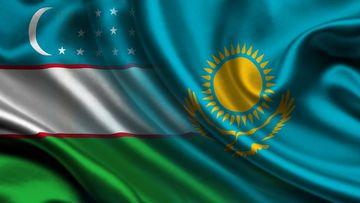
On January 26, Prime Minister of Kazakhstan Askar Mamin announced the launch of the construction of a high-speed railway connecting two southern regions of Kazakhstan, Shymkent, and Turkistan, with the capital of Uzbekistan, Tashkent. The purpose of the project is presented as the joint development of the tourism industry traversing the two countries and connecting history-rich Turkistan with the historical sights of Samarkand and Bukhara in Uzbekistan.
The Diplomat reports that the infrastructure plan, however, has implications beyond just physical connection between both countries, serving as another affirmation of strong relations and the two countries’ desire to work together. Kazakhstan views the project as an economic boon, that will increase tourism’s share of the country’s GDP to an estimated 5.2 percent. As Mamin detailed, the project would create 22,000 new jobs in the tourism industry, an increase of 50 percent, as well as 100,000 new jobs in related sectors of the economy. He added that the domestic tourist flow would be about 4.5 million people, an increase of 22 percent.
The project did not take long to materialize from the time it was first proposed. The initial decision on the construction of the railroad was taken during the 18th meeting of the Joint Intergovernmental Commission on Bilateral Cooperation between Uzbekistan and Kazakhstan, held in 2019. This timeline is in stark comparison to a railroad project between Kyrgyzstan and Uzbekistan that has been in the works for a couple of decades already.
The railroad project is just another element in a warm bilateral relationship. Uzbekistan and Kazakhstan are each other’s largest trade partners in the region and the closest strategic partners. Several recent decisions between the countries indicate how these relations are growing even stronger. One of them is the Central Asian Investment Partnership, announced on January 7 of this year between Kazakhstan, Uzbekistan, and the United States. The partnership is one-of-a-kind and plans to attract a billion U.S. dollars for regional economic projects in the next five years.
Activities and cooperation between Kazakhstan and Uzbekistan go beyond economic projects, extending into a role as joint guarantors of regional stability. This was exemplified in a joint statement calling for stability and peace following the toppling of the government of ex-President Sooronbai Jeenbekov in Kyrgyzstan last October. Although the statement was made on behalf of Kyrgyzstan’s four Central Asian neighbors, Kazakhstan and Uzbekistan were almost certainly the initiators. Similarly, as further fallout from the political situation resulted in a high debt crisis in Kyrgyzstan, both Kazakhstan and Uzbekistan pledged economic and humanitarian assistance to Kyrgyzstan.
In addition, 2020 was a year of frequent bilateral meetings between Kazakhstan and Uzbekistan, despite the restrictions imposed by the global pandemic. That level of intensity was not observed with other countries in the region. In total, four high level in-person bilateral meetings took place between the countries: in February, a forum on economic cooperation; a meeting between Uzbek President Shavkat Mirziyoyev and former President of Kazakhstan Nursultan Nazarbaev in September to discuss strategic relation between their countries; and two meetings in November (November 3 and November 21) on expanding trade relations.
The joint railroad project between Kazakhstan and Uzbekistan, in light of strong economic and political cooperation, represents a further deepening of relations between the countries. Uzbekistan and Kazakhstan as the two largest countries in the region create the basis of stability in Central Asia. Both countries are aware of the significance of the other in the region and thus are willing to assist each other in their endeavors.


 Latest news
Latest news
Latest newsGeorgia’s Constitutional Court Continues Case on Banning Opposition Parties: Political Pluralism at Stake
12.Oct.2026
Azerbaijan and Iran Step Up Security Contacts Amid Hijab Protests
12.Oct.2026
Personnel Shortages Complicate Ukrainian Forces’ Rotation: Ukraine Faces Long-Term Challenges on the Front Line
11.Oct.2026
Trump Eases Sanctions on Russian Fuel After Talks with Putin: Kyiv Fears Boost to Moscow’s War Revenues
10.Oct.2026
Putin Seeks to Strengthen Russia’s Influence in the Post-Soviet Space Through the CIS
10.Oct.2026
Russia and the South Caucasus: External Pressure, Political Competition and a Crisis of Trust
10.Oct.2026
Peaceful Settlement Between Armenia and Azerbaijan: Moving from Declarations to Implementation
10.Oct.2026
Moldova Ready to Accept as Many Ukrainians as Necessary if Situation Worsens This Winter
09.Oct.2026
Turkmenistan Turns Avaza into a Regional Diplomatic Hub as Caspian, Central Asian and CIS Agendas Converge
08.Oct.2026
Romania Scrambles Spanish F-18s After Aerial Targets Detected Near Ukrainian Border
07.Oct.2026
Berlin Deepens Defence Partnership with Kyiv: Germany to Provide Ukraine with €1 Billion in Military Aid
07.Oct.2026
European Parliament Against Georgian Dream: EU Prepares New Response to Tbilisi
06.Oct.2026
Bulgarian Foreign Minister to Discuss European Security and International Law in the Netherlands
05.Oct.2026
Rheinmetall in Bulgaria: Sofia Emerges as a New NATO Defence-Industrial Hub in the Balkans
05.Oct.2026
The Cost of a Long War: Moscow Expands Spending Plans Through 2029
05.Oct.2026