
 13 Oct 2026









Pentagon urges Russia to clarify troop movement intentions on Ukrainian border
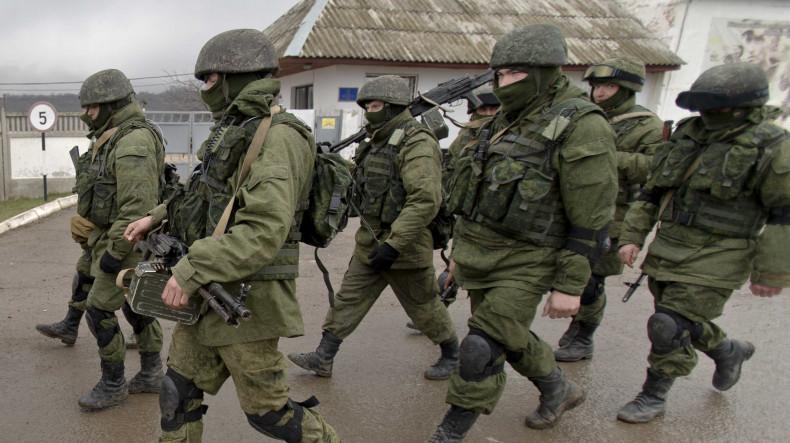
Russia’s intentions with regards to its troop movement on the border with Ukraine remain unclear to the United States, and Washington calls upon Moscow to specify them more clearly, Department of Defense Spokesperson John Kirby told reporters on Tuesday, TASS reported.
"The intent is not completely clear, and I believe our State Department colleagues yesterday called on Russia to make their intentions known," he said.
"We continue to see Russian forces arrayed along the border with Ukraine in Crimea specifically," Kirby added. "It's also difficult for us to speak to intent right now. It is concerning and we continue to monitor it."
He evaded a direct response to a question of whether, in Washington’s opinion, Russian troops could be deployed in eastern Ukraine.
"I try to avoid, if I can, speaking to specific operations here, particularly operations of of another military," the spokesman said.
On Monday, a US Department of State spokesperson said his country was ready for cooperation with Moscow regarding the situation in eastern Ukraine. At the same time, in his opinion, the United States believes that reports about the movement of Russian troops on the border with Ukraine and in Crimea were credible. The spokesperson called upon Russia to refrain from any actions that might lead to escalation.
In the past few days, Western nations have repeatedly expressed concern about Ukraine’s reports of alleged Russian military buildup at its borders. Kremlin spokesman Dmitry Peskov said that other countries should not find movements of military units in Russian territory worrisome, because Russia does not pose a threat to other stats, including Ukraine. He also stressed that the events in Donbass were Ukraine’s internal conflict, and Russian troops have never taken part in it.
The situation in Donbass worsened at the end of February, with fire exchanges involving the use of mortars and grenade launchers registered every day. The conflicting sides blamed the aggravation of the situation on each other. Russian President Vladimir Putin on March 30 held a video conference with his French counterpart Emmanuel Macron and German Chancellor Angela Merkel. Among other things Putin expressed concern over Ukraine’s escalation of tensions in Donbass.


 Latest news
Latest news
Latest newsGeorgia’s Constitutional Court Continues Case on Banning Opposition Parties: Political Pluralism at Stake
12.Oct.2026
Azerbaijan and Iran Step Up Security Contacts Amid Hijab Protests
12.Oct.2026
Personnel Shortages Complicate Ukrainian Forces’ Rotation: Ukraine Faces Long-Term Challenges on the Front Line
11.Oct.2026
Trump Eases Sanctions on Russian Fuel After Talks with Putin: Kyiv Fears Boost to Moscow’s War Revenues
10.Oct.2026
Putin Seeks to Strengthen Russia’s Influence in the Post-Soviet Space Through the CIS
10.Oct.2026
Russia and the South Caucasus: External Pressure, Political Competition and a Crisis of Trust
10.Oct.2026
Peaceful Settlement Between Armenia and Azerbaijan: Moving from Declarations to Implementation
10.Oct.2026
Moldova Ready to Accept as Many Ukrainians as Necessary if Situation Worsens This Winter
09.Oct.2026
Turkmenistan Turns Avaza into a Regional Diplomatic Hub as Caspian, Central Asian and CIS Agendas Converge
08.Oct.2026
Romania Scrambles Spanish F-18s After Aerial Targets Detected Near Ukrainian Border
07.Oct.2026
Berlin Deepens Defence Partnership with Kyiv: Germany to Provide Ukraine with €1 Billion in Military Aid
07.Oct.2026
European Parliament Against Georgian Dream: EU Prepares New Response to Tbilisi
06.Oct.2026
Bulgarian Foreign Minister to Discuss European Security and International Law in the Netherlands
05.Oct.2026
Rheinmetall in Bulgaria: Sofia Emerges as a New NATO Defence-Industrial Hub in the Balkans
05.Oct.2026
The Cost of a Long War: Moscow Expands Spending Plans Through 2029
05.Oct.2026