
 13 Oct 2026









Olaf Scholz: admission of new Eastern European countries to NATO not on agenda
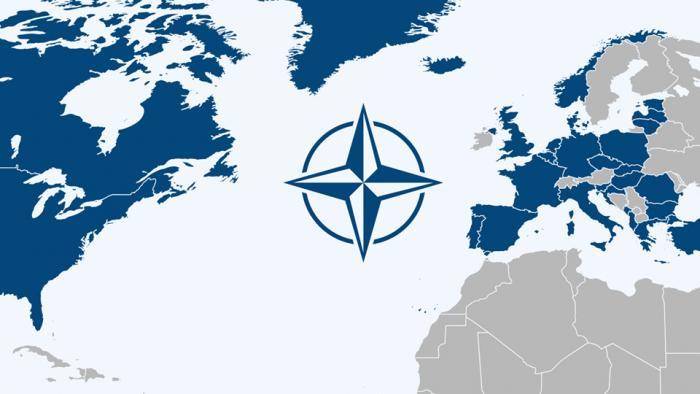
NATO cannot guarantee its non-expansion but the issue of the admission of new Eastern European countries is not on its agenda, German Chancellor Olaf Scholz said in an interview with the Suddeutsche Zeitung on Sunday.
When asked about possible guarantees of NATO’s non-expansion, he said, "The admission of new Eastern European countries to NATO is not on the current agenda at all." "Why should Russia demand that? There cannot be such a guarantee," he stressed.
"We all know that the trans-Atlantic defense alliance is needed. As democratic countries, we consolidate within NATO our interests in the sphere of security," he added.
Ukrainian President Vladimir Zelensky said earlier that Kiev wants to have a NATO Membership Action Plan already in 2022. In February 2019, the country’s Verkhovna Rada, or parliament, adopted constitutional amendments committing to paper Ukraine’s intention to join NATO. The country has been granted the Enhanced Opportunities Partner status.
According to the final statement of the NATO summit on June 14, 2021, Ukraine and Georgia can be admitted to the alliance in future. At the same time, it says nothing either about when it could happen or about when they would be grated NATO Membership Action Plans.
On December 17, 2021, the Russian foreign ministry released a draft agreement on security guarantees between Russia and the United States, and a draft agreement on ensuring the security of Russia and NATO member states. The proposed measures include guarantees that NATO will not advance eastward, including the accession of Ukraine and other countries into the alliance, as well as non-deployment of serious offensive weapons, including nuclear ones.


 Latest news
Latest news
Latest newsGeorgia’s Constitutional Court Continues Case on Banning Opposition Parties: Political Pluralism at Stake
12.Oct.2026
Azerbaijan and Iran Step Up Security Contacts Amid Hijab Protests
12.Oct.2026
Personnel Shortages Complicate Ukrainian Forces’ Rotation: Ukraine Faces Long-Term Challenges on the Front Line
11.Oct.2026
Trump Eases Sanctions on Russian Fuel After Talks with Putin: Kyiv Fears Boost to Moscow’s War Revenues
10.Oct.2026
Putin Seeks to Strengthen Russia’s Influence in the Post-Soviet Space Through the CIS
10.Oct.2026
Russia and the South Caucasus: External Pressure, Political Competition and a Crisis of Trust
10.Oct.2026
Peaceful Settlement Between Armenia and Azerbaijan: Moving from Declarations to Implementation
10.Oct.2026
Moldova Ready to Accept as Many Ukrainians as Necessary if Situation Worsens This Winter
09.Oct.2026
Turkmenistan Turns Avaza into a Regional Diplomatic Hub as Caspian, Central Asian and CIS Agendas Converge
08.Oct.2026
Romania Scrambles Spanish F-18s After Aerial Targets Detected Near Ukrainian Border
07.Oct.2026
Berlin Deepens Defence Partnership with Kyiv: Germany to Provide Ukraine with €1 Billion in Military Aid
07.Oct.2026
European Parliament Against Georgian Dream: EU Prepares New Response to Tbilisi
06.Oct.2026
Bulgarian Foreign Minister to Discuss European Security and International Law in the Netherlands
05.Oct.2026
Rheinmetall in Bulgaria: Sofia Emerges as a New NATO Defence-Industrial Hub in the Balkans
05.Oct.2026
The Cost of a Long War: Moscow Expands Spending Plans Through 2029
05.Oct.2026