
 13 Oct 2026









Turkey to convert coal to solar energy

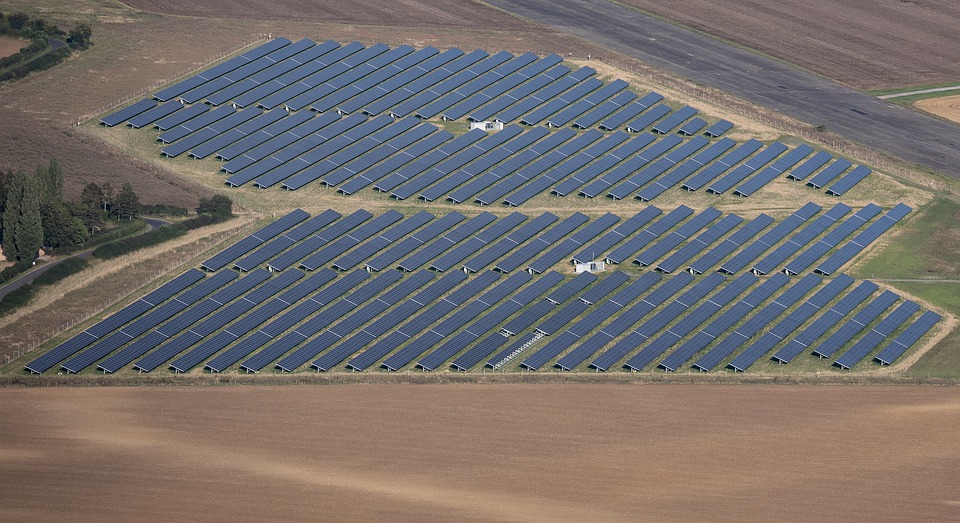
Approximately half of Turkey’s open-cast coal mines are suitable for conversion to solar farms, a move that could generate enough solar power to meet the needs of almost 7 million homes annually, according to a new study released on Wednesday, Daily Sabah reports.
"The Solar Potential of Coal Sites in Turkey" report analyzed 22 open-cast mines that provide coal for 10,495 megawatts (MW) of the total installed capacity of coal plants in Turkey. The report comes as countries across Europe look for ways to rapidly scale up renewable energy capacity, also in the context of the Russian invasion of Ukraine and surging fossil fuel prices. It was prepared by Solar3GW for Europe Beyond Coal, the European Climate Action Network (CAN Europe), Greenpeace Mediterranean, WWF-Turkey (World Wide Fund for Nature), the Climate Change Policy and Research Association, 350.org, Ekosfer and the Yuva Association.
The report found that an additional 13,189 MW of solar power could be installed in these open-cast coal mines. Potential solar capacity in open-cast coal mines in the country corresponds to an almost 170% rise from the current installed capacity. The potential solar capacity from open-cast coal mines of 19,079 gigawatt-hours of electricity could meet the electricity needs of almost 7 million homes. Furthermore, converting half of Turkey’s open-cast coal mines would reduce carbon dioxide emissions by 12.4 million tons per year, the report calculated.
Greenhouse gas emissions
WWF-Turkey Climate and Energy Program Manager Tanyeli Behic Sabuncu said one-fourth of the country’s total greenhouse gas emissions originate from coal, leading to premature deaths and exacerbating the climate crisis. “If we are sincere in our goal of being net-zero by 2053, we must urgently plan the exit from coal,” he underlined.
Duygu Kutluay, a campaigner for Europe Beyond Coal, explained that Turkey has recently revised up its climate ambitions by ratifying the Paris Agreement and setting a net-zero goal. “In a fortuitous arc of history, the mines that have provided the coal, which has so damaged our climate and communities, can play a vital role in decarbonizing our energy systems and tackling the climate crisis,” Kutluay said. “The sooner we start delivering on these targets, the greater the benefits will be for our health and our economy, which was hit hard by last year's climate change-induced wildfires,” she said.
She advocated for the adoption of such an energy plant, as converting open-cast coal mines to solar farms would cut Turkey’s annual carbon dioxide emissions by an equivalent amount to approximately 50 million passengers flying from Istanbul and Rome.
Sleeping solar giant
Transforming these coal sites would produce 19 billion kilowatt-hours of fossil-free electricity, said Barış Eceçelik, a board member at the Ekosfer Association. That is equivalent to a third of the electricity Turkey produced from hard coal and imported coal in 2021, he added. “Turkey is a sleeping solar giant! We really need to wake up to this potential.”
Bahadir Turhan, chairperson of the board at Solar3GW, noted that the study confirms that countries with large open-cast coal mines should be viewing them as renewable energy transition assets. “They have a cost advantage over virgin plots as they come ready equipped with much of the necessary infrastructure required to host solar installations and when you kit them out with advanced battery storage systems, they are able to consistently deliver a base load of cheap, clean, fossil-free energy. We really should be capitalizing on them,” he said. “Converting our open-cast coal mining sites would significantly lower energy costs, which are surging courtesy of global fossil fuel market volatility,” said Onur Akgül, Climate and Energy Project Responsible at Greenpeace Mediterranean.
“We’d also see enormous improvements in air quality and public health, and would be protecting our natural environment from the direct impacts of mining, while helping ward off the worst impacts of the climate crisis, such as wildfires and floods,” he noted.


 Latest news
Latest news
Latest newsGeorgia’s Constitutional Court Continues Case on Banning Opposition Parties: Political Pluralism at Stake
12.Oct.2026
Azerbaijan and Iran Step Up Security Contacts Amid Hijab Protests
12.Oct.2026
Personnel Shortages Complicate Ukrainian Forces’ Rotation: Ukraine Faces Long-Term Challenges on the Front Line
11.Oct.2026
Trump Eases Sanctions on Russian Fuel After Talks with Putin: Kyiv Fears Boost to Moscow’s War Revenues
10.Oct.2026
Putin Seeks to Strengthen Russia’s Influence in the Post-Soviet Space Through the CIS
10.Oct.2026
Russia and the South Caucasus: External Pressure, Political Competition and a Crisis of Trust
10.Oct.2026
Peaceful Settlement Between Armenia and Azerbaijan: Moving from Declarations to Implementation
10.Oct.2026
Moldova Ready to Accept as Many Ukrainians as Necessary if Situation Worsens This Winter
09.Oct.2026
Turkmenistan Turns Avaza into a Regional Diplomatic Hub as Caspian, Central Asian and CIS Agendas Converge
08.Oct.2026
Romania Scrambles Spanish F-18s After Aerial Targets Detected Near Ukrainian Border
07.Oct.2026
Berlin Deepens Defence Partnership with Kyiv: Germany to Provide Ukraine with €1 Billion in Military Aid
07.Oct.2026
European Parliament Against Georgian Dream: EU Prepares New Response to Tbilisi
06.Oct.2026
Bulgarian Foreign Minister to Discuss European Security and International Law in the Netherlands
05.Oct.2026
Rheinmetall in Bulgaria: Sofia Emerges as a New NATO Defence-Industrial Hub in the Balkans
05.Oct.2026
The Cost of a Long War: Moscow Expands Spending Plans Through 2029
05.Oct.2026