
 13 Oct 2026









Anti-Russia sanctions could become a trap for the West
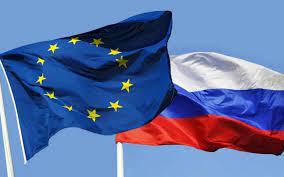
The sanctions imposed by the United States and its allies against Russia will soon lead Western countries to fall into the trap themselves, The Guardian writes.
"Russia’s importance to the globe goes beyond its size as the world’s 11th-largest economy. Reorienting Russian oil, gas and coal exports away from the US and EU to Asian importers would be a big economic shock," the article reads.
"Russia is the source of many essential minerals. About 25 African countries import more than one-third of their wheat from either Russia or Ukraine," the publications recalls, noting that high oil and gas prices will shift investment back into extractive industries, risking a reversal of the planet-saving trend towards clean energy.
"Washington’s leverage over the global financial system rests upon banks’ Swift messaging system and dollar dominance. The US has the means to hurt its enemies, but frequently has been undecided on the ends...Russia could develop new technologies to break out of this geopolitical cage," The Guardian wrote.
"Harder days are ahead for us in Germany too. Days that will change the world, and that will change us, perhaps faster than we would ever have thought possible. The plain truth is that many hardships still lie ahead. Notwithstanding all the ongoing diplomatic efforts, our solidarity and our support, our resilience, as well as our willingness to accept austerities, will be needed for a long time to come," German President Frank-Walter Steinmeier said.


 Latest news
Latest news
Latest newsGeorgia’s Constitutional Court Continues Case on Banning Opposition Parties: Political Pluralism at Stake
12.Oct.2026
Azerbaijan and Iran Step Up Security Contacts Amid Hijab Protests
12.Oct.2026
Personnel Shortages Complicate Ukrainian Forces’ Rotation: Ukraine Faces Long-Term Challenges on the Front Line
11.Oct.2026
Trump Eases Sanctions on Russian Fuel After Talks with Putin: Kyiv Fears Boost to Moscow’s War Revenues
10.Oct.2026
Putin Seeks to Strengthen Russia’s Influence in the Post-Soviet Space Through the CIS
10.Oct.2026
Russia and the South Caucasus: External Pressure, Political Competition and a Crisis of Trust
10.Oct.2026
Peaceful Settlement Between Armenia and Azerbaijan: Moving from Declarations to Implementation
10.Oct.2026
Moldova Ready to Accept as Many Ukrainians as Necessary if Situation Worsens This Winter
09.Oct.2026
Turkmenistan Turns Avaza into a Regional Diplomatic Hub as Caspian, Central Asian and CIS Agendas Converge
08.Oct.2026
Romania Scrambles Spanish F-18s After Aerial Targets Detected Near Ukrainian Border
07.Oct.2026
Berlin Deepens Defence Partnership with Kyiv: Germany to Provide Ukraine with €1 Billion in Military Aid
07.Oct.2026
European Parliament Against Georgian Dream: EU Prepares New Response to Tbilisi
06.Oct.2026
Bulgarian Foreign Minister to Discuss European Security and International Law in the Netherlands
05.Oct.2026
Rheinmetall in Bulgaria: Sofia Emerges as a New NATO Defence-Industrial Hub in the Balkans
05.Oct.2026
The Cost of a Long War: Moscow Expands Spending Plans Through 2029
05.Oct.2026