
 13 Oct 2026









How is the Turkish operation against the PKK going?
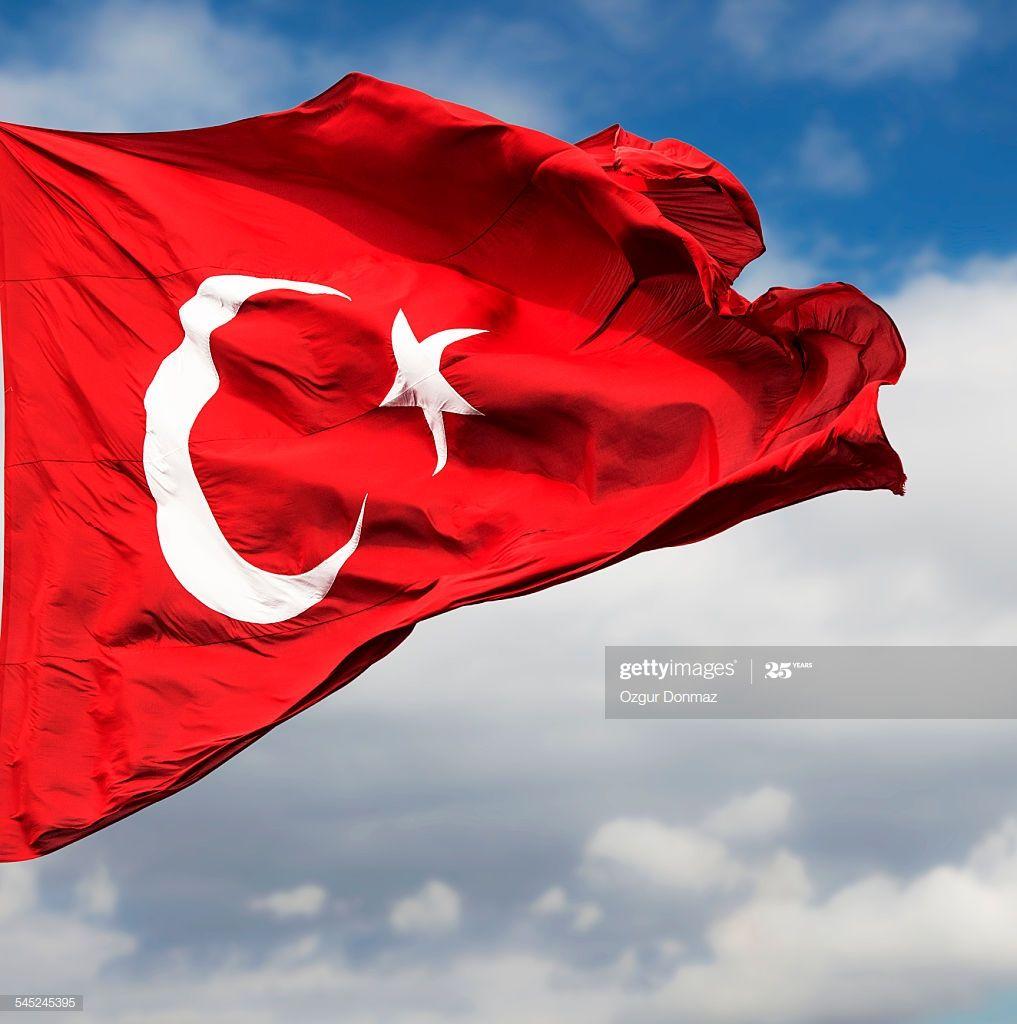
Turkey aims to completely block Turkish-Iraqi border access to the Kurdistan Workers' Party (PKK) by capturing the remaining land corridor, effectively ending nearly 40 years of PKK infiltrations, sources close to the Turkish military told Middle East Eye.
On Monday, Turkey launched another air and ground operation against PKK fighters in Iraq, targeting facilities and ammunition stores. Four Turkish soldiers were killed and 45 PKK members were “neutralised”, according to the Turkish government. Its defence ministry said in a statement that the operation focused on the northern Iraqi regions of Metina, Zap and Avasin-Basyan, with the participation of commandos and special forces, by land and air. Turkish drones, warplanes and cannons also ploughed the area, which experts call the PKK's “heartland”, as it is militarily more important than the Qandil mountains, where their headquarters are located.
Seeking absolute control
Operation Claw Lock comes after a series of Turkish military engagements that established nearly 20 military outposts in northern Iraq, and pushed the PKK to the south in recent years. Turkey has had outposts in the region since the 1990s, but after the latest string of operations, Ankara aimed to completely control this mountainous territory, which is littered with caves and entrenchments. The military was planning to establish permanent bases in Avasin and Zap and push the PKK even further south, according to a Turkish military source.
“The operation’s objectives are pretty clear: destroying all the PKK camps in these areas and establishing bases, isolating the Turkish-Iraqi border,” the source said. “This will completely end PKK's infiltrations into Turkey.” The source said Zap was the only remaining region that was used by the PKK to transport manpower and weapons into Turkey, adding that a successful conduct of the operation could enable the Turkish military to stage land operations against the PKK in the Qandil mountains, near the Iraq-Iran border, in the future.
Rich Outzen, a geopolitical consultant and a fomer member of the US State Department’s Policy Planning Staff, told MEE that in recent years the Turkish military has transformed itself into a better-equipped professional army, and is becoming increasingly effective against the PKK’s guerilla warfare. “By integrating a combined arms team (ground and air forces, even naval bomb technicians and other speciality forces) and especially through the use of drones, Turkish Armed Forces have improved their ability to detect, target, strike and manoeuvre against PKK fighters even in very difficult terrain,” Outzen said. “The fact that counter-PKK operations increasingly take place not on Turkish soil but in mountainous areas of northern Iraq, long controlled by the PKK, shows that over time the operations have become more effective, and I expect Operation Claw Lock to continue that trend.”
Turkey, the US and EU all designate the PKK as a terrorist organisation, due to its past, deadly actions against civilians. The operation has already rattled the PKK leadership, which for four decades has waged war against the Turkish state. Duran Kalkan, a member of the PKK’s central committee, said the group would not fall into "the enemy's trap" by putting itself into a trench warfare. “This war will be in Turkey, there will be a more effective war in metropolises. They will develop in large cities, in the valley and the mountain,” Kalkan said in a televised address. Kalkan also blamed the Kurdistan Democratic Party (KDP) - Iraqi Kurdistan Regional Government’s ruling party - for lending its support to the Turkish state for the operation. However, he noted that the KDP had so far avoided a direct clash with the PKK.
Escalating tensions
In the recent months, Turkish operations in northern Iraq have pushed the PKK further south. Last week, Prime Minister Masrour Barzani of the Iraqi Kurdistan Regional Government met Turkish President Recep Tayyip Erdogan to discuss the situation in Iraq, and to "enhance cooperation to promote security and stability”. According to the Turkish military source, Ankara's operation against the PKK was beneficial for the KRG and its ruling party because it would secure the Kerkuk-Ceyhan oil pipeline.
In light of the ongoing Russian special operation in Ukraine, Iraqi Kurdistan’s gas reserves have become ever more imporant, as Ankara and Irbil look for ways to extract and export the gas through Turkey to Europe. However, the project is facing a series of political and technical hurdles.
“The Barzanis understand the threat the PKK poses to the stability of the KRG, to the significant social and economic progress in the region over the past decades, and to the region's relations with Turkey and the West,” Outzen said, referring to the KRG's current leader and his father and predecessor, Masoud Barzani. “It will take some time to more efficiently extract and transport gas, but it will happen and it will be profitable. It will also help diversify European energy supply. There are already oil and some gas pipelines in the [Kurdish region of Iraq], so building more or expanding is definitely feasible," he added.


 Latest news
Latest news
Latest newsGeorgia’s Constitutional Court Continues Case on Banning Opposition Parties: Political Pluralism at Stake
12.Oct.2026
Azerbaijan and Iran Step Up Security Contacts Amid Hijab Protests
12.Oct.2026
Personnel Shortages Complicate Ukrainian Forces’ Rotation: Ukraine Faces Long-Term Challenges on the Front Line
11.Oct.2026
Trump Eases Sanctions on Russian Fuel After Talks with Putin: Kyiv Fears Boost to Moscow’s War Revenues
10.Oct.2026
Putin Seeks to Strengthen Russia’s Influence in the Post-Soviet Space Through the CIS
10.Oct.2026
Russia and the South Caucasus: External Pressure, Political Competition and a Crisis of Trust
10.Oct.2026
Peaceful Settlement Between Armenia and Azerbaijan: Moving from Declarations to Implementation
10.Oct.2026
Moldova Ready to Accept as Many Ukrainians as Necessary if Situation Worsens This Winter
09.Oct.2026
Turkmenistan Turns Avaza into a Regional Diplomatic Hub as Caspian, Central Asian and CIS Agendas Converge
08.Oct.2026
Romania Scrambles Spanish F-18s After Aerial Targets Detected Near Ukrainian Border
07.Oct.2026
Berlin Deepens Defence Partnership with Kyiv: Germany to Provide Ukraine with €1 Billion in Military Aid
07.Oct.2026
European Parliament Against Georgian Dream: EU Prepares New Response to Tbilisi
06.Oct.2026
Bulgarian Foreign Minister to Discuss European Security and International Law in the Netherlands
05.Oct.2026
Rheinmetall in Bulgaria: Sofia Emerges as a New NATO Defence-Industrial Hub in the Balkans
05.Oct.2026
The Cost of a Long War: Moscow Expands Spending Plans Through 2029
05.Oct.2026