
 13 Oct 2026









Ukrainian parliament passes banking bill
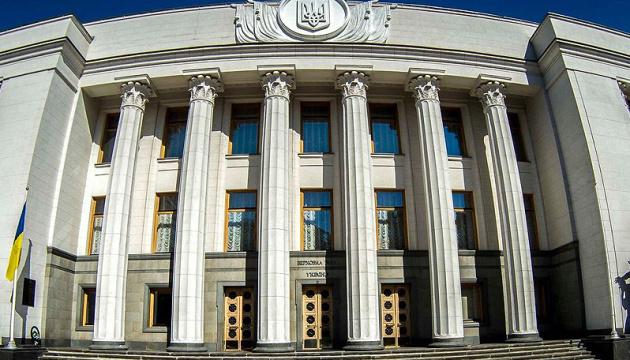
A total of 270 lawmakers voted for the bill at a parliament meeting on May 13, according to an Ukrinform correspondent.
The law guarantees the inevitability of the withdrawal of banks from the market. If a court declares the NBU's decision to withdraw a bank from the market illegal, the bank's insolvency or liquidation procedure will not be terminated, so the sale of assets and settlements with the bank's depositors and creditors will continue. In fact, the law allows for the removal of "white spots" in legislation that previously allowed courts to revive banks withdrawn from the market due to insolvency. Courts' ability to bring banks "back to life" is limited in many countries, including the European Union.
Secondly, the law changes the procedure for appealing against the decisions of the central bank and other state bodies in the process of withdrawing banks from the market. Courts should not substitute themselves for the NBU. They should be able to consider decisions legally, but they should not throw into question the calculations, estimates and conclusions made within the discretion of regulators, as well as their technical judgments.
Thirdly, the law clearly sets out the prerequisites and procedure for former owners obtaining compensation if the court finds the NBU's decision illegal. To make sure the procedure for calculating compensation is transparent and impartial, an internationally recognized audit firm will play a key role in this matter.
Fourthly, the law improves the decision-making process of the National Bank of Ukraine. A number of provisions on "professional judgment" and procedural rights are clarified. In particular, the law will help identify the problems of banks at an earlier stage and thus preserve their assets and remove banks from the market with the least losses.
Fifthly, the state now has more options for ways to nationalize banks when needed, including tools to create a transition bank or transfer part of a portfolio of liabilities and assets to a receiving bank. This will make the process much more efficient so that such a bank could start its operations almost instantaneously.
On March 30, MPs supported at first reading a bill introducing amendments to certain legislative acts of Ukraine to improve certain mechanisms for regulating banking activity (No. 2571-d) and shortened the time needed to prepare the document for the second reading.
The law is the main condition for continuing Ukraine's cooperation with the International Monetary Fund.


 Latest news
Latest news
Latest newsGeorgia’s Constitutional Court Continues Case on Banning Opposition Parties: Political Pluralism at Stake
12.Oct.2026
Azerbaijan and Iran Step Up Security Contacts Amid Hijab Protests
12.Oct.2026
Personnel Shortages Complicate Ukrainian Forces’ Rotation: Ukraine Faces Long-Term Challenges on the Front Line
11.Oct.2026
Trump Eases Sanctions on Russian Fuel After Talks with Putin: Kyiv Fears Boost to Moscow’s War Revenues
10.Oct.2026
Putin Seeks to Strengthen Russia’s Influence in the Post-Soviet Space Through the CIS
10.Oct.2026
Russia and the South Caucasus: External Pressure, Political Competition and a Crisis of Trust
10.Oct.2026
Peaceful Settlement Between Armenia and Azerbaijan: Moving from Declarations to Implementation
10.Oct.2026
Moldova Ready to Accept as Many Ukrainians as Necessary if Situation Worsens This Winter
09.Oct.2026
Turkmenistan Turns Avaza into a Regional Diplomatic Hub as Caspian, Central Asian and CIS Agendas Converge
08.Oct.2026
Romania Scrambles Spanish F-18s After Aerial Targets Detected Near Ukrainian Border
07.Oct.2026
Berlin Deepens Defence Partnership with Kyiv: Germany to Provide Ukraine with €1 Billion in Military Aid
07.Oct.2026
European Parliament Against Georgian Dream: EU Prepares New Response to Tbilisi
06.Oct.2026
Bulgarian Foreign Minister to Discuss European Security and International Law in the Netherlands
05.Oct.2026
Rheinmetall in Bulgaria: Sofia Emerges as a New NATO Defence-Industrial Hub in the Balkans
05.Oct.2026
The Cost of a Long War: Moscow Expands Spending Plans Through 2029
05.Oct.2026