
 13 Oct 2026









Iran complains to U.N., summons envoy over U.S. threat on Venezuela shipment
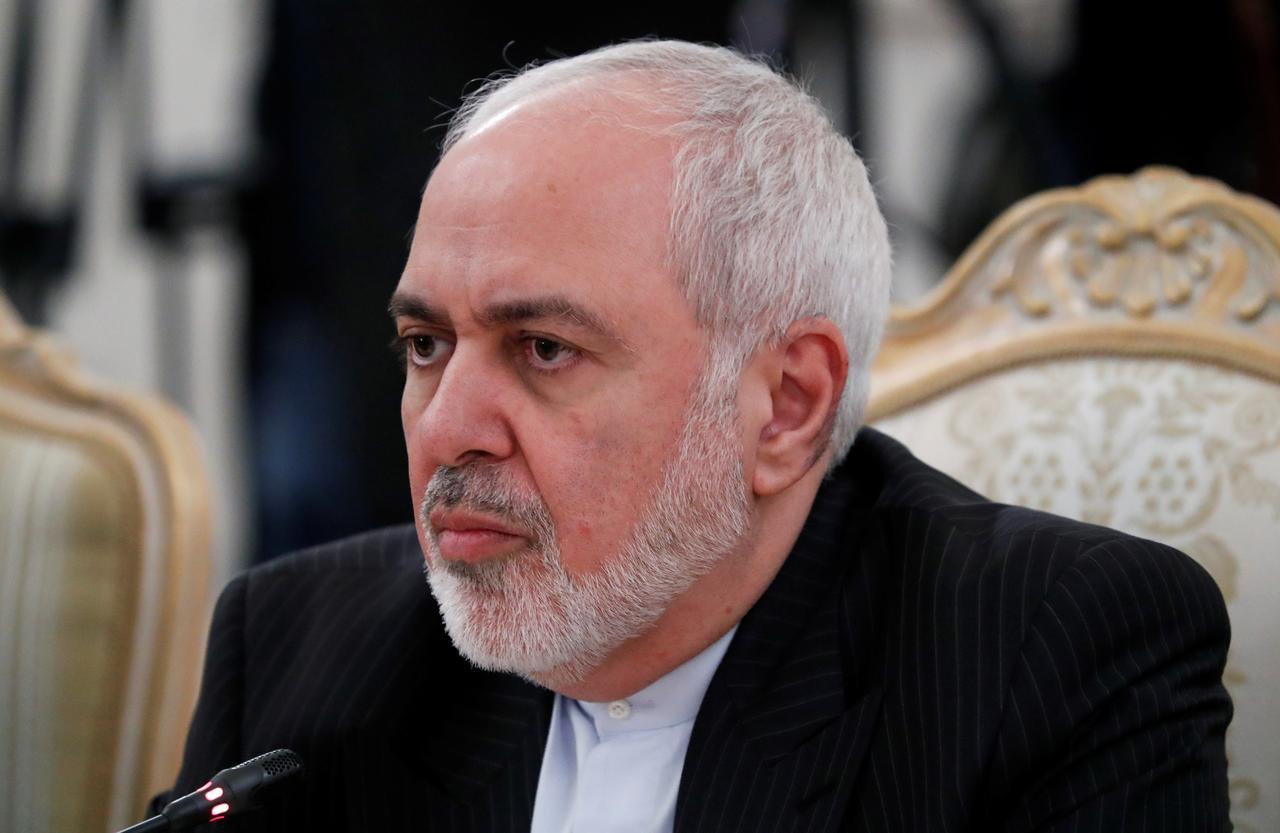
Iran complained to the United Nations on Sunday and summoned the Swiss ambassador in Tehran, who represents U.S. interests in the Islamic Republic, over possible measures Washington could take against an Iranian fuel shipment to Venezuela, according to Reuters.
A senior official in U.S. President Donald Trump’s administration told Reuters on Thursday the United States was considering measures it could take in response to Iran’s shipment of fuel to crisis-stricken Venezuela.
The oil sectors of Iran and Venezuela, members of OPEC, are both under U.S. sanctions. The Trump administration official declined to specify the measures being weighed but said options would be presented to Trump.
Iranian Foreign Minister Mohammad Javad Zarif also wrote a letter to U.N. Secretary-General Antonio Guterres.
Iran “reserves its right to take all appropriate and necessary measures and decisive action ... to secure its legitimate rights and interests against such bullying policies and unlawful practices,” Zarif wrote to Guterres.
“This hegemonic gunboat diplomacy seariously threatens freedom of international commerce and navigation and the free flow of energy,” Zarif wrote. “These efforts by the U.S. to take coercive measures to disrupt Iran’s oil sale is a dangerous escalation.”
At least one tanker carrying fuel loaded at an Iranian port has set sail for Venezuela, according to vessel tracking data from Refinitiv Eikon on Wednesday, which could help ease an acute scarcity of gasoline in the South American country.
Venezuela is in desperate need of gasoline and other refined fuel products to keep the country functioning amid an economic collapse under socialist President Nicolas Maduro. Venezuela produces crude oil but its infrastructure has been crippled during the economic crisis.


 Latest news
Latest news
Latest newsGeorgia’s Constitutional Court Continues Case on Banning Opposition Parties: Political Pluralism at Stake
12.Oct.2026
Azerbaijan and Iran Step Up Security Contacts Amid Hijab Protests
12.Oct.2026
Personnel Shortages Complicate Ukrainian Forces’ Rotation: Ukraine Faces Long-Term Challenges on the Front Line
11.Oct.2026
Trump Eases Sanctions on Russian Fuel After Talks with Putin: Kyiv Fears Boost to Moscow’s War Revenues
10.Oct.2026
Putin Seeks to Strengthen Russia’s Influence in the Post-Soviet Space Through the CIS
10.Oct.2026
Russia and the South Caucasus: External Pressure, Political Competition and a Crisis of Trust
10.Oct.2026
Peaceful Settlement Between Armenia and Azerbaijan: Moving from Declarations to Implementation
10.Oct.2026
Moldova Ready to Accept as Many Ukrainians as Necessary if Situation Worsens This Winter
09.Oct.2026
Turkmenistan Turns Avaza into a Regional Diplomatic Hub as Caspian, Central Asian and CIS Agendas Converge
08.Oct.2026
Romania Scrambles Spanish F-18s After Aerial Targets Detected Near Ukrainian Border
07.Oct.2026
Berlin Deepens Defence Partnership with Kyiv: Germany to Provide Ukraine with €1 Billion in Military Aid
07.Oct.2026
European Parliament Against Georgian Dream: EU Prepares New Response to Tbilisi
06.Oct.2026
Bulgarian Foreign Minister to Discuss European Security and International Law in the Netherlands
05.Oct.2026
Rheinmetall in Bulgaria: Sofia Emerges as a New NATO Defence-Industrial Hub in the Balkans
05.Oct.2026
The Cost of a Long War: Moscow Expands Spending Plans Through 2029
05.Oct.2026