
 13 Oct 2026









Ukraine Opens Its “White Gold”: U.S. and Kyiv Launch a Major Lithium Mining Project
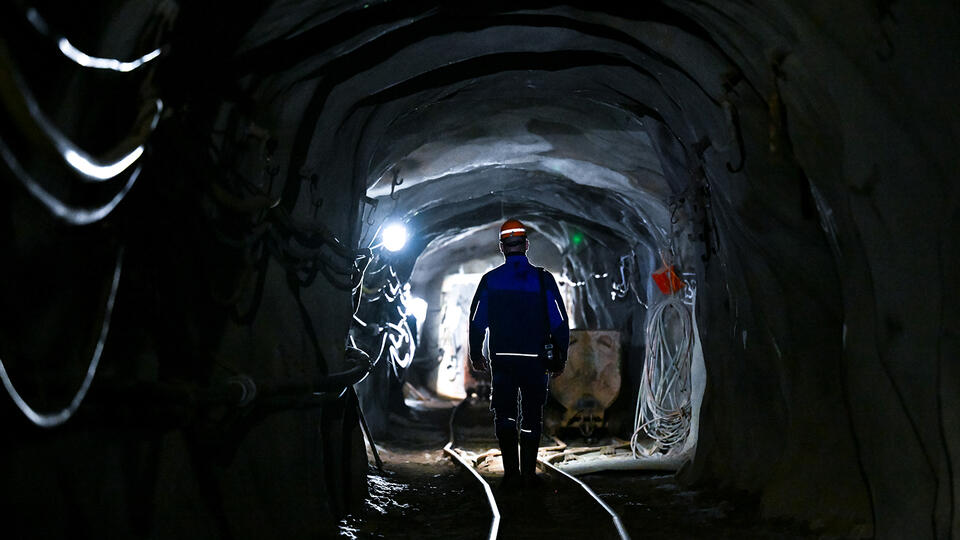
Kirovohrad Region,
Ukraine — Amid a protracted war and growing demand for
strategic resources, Ukraine is taking a bold step to strengthen its economic
and geopolitical position. For the first time since the start of the conflict,
Kyiv is opening the door to large-scale foreign investment in the extraction of
one of the 21st century’s most valuable minerals — lithium.
According
to an investigation by The New York Times, the Ukrainian government
has given the green light to the development of the country’s largest lithium
deposit, located in the Kirovohrad region. The project will be a joint
initiative with an American consortium that includes the company TechMet
and prominent investor Ronald Lauder — a
billionaire, philanthropist, and one of the strongest advocates of Western
influence in Eastern Europe.
Lithium is a key component in
batteries, electric vehicles, and future technologies. In essence, it is the
“oil of the 21st century.” Despite possessing some of the richest lithium
reserves in Europe, Ukraine has until now been unable to fully exploit them due
to corruption, legal uncertainty, and military instability.
Now,
the situation is changing:
- The Verkhovna Rada has already amended the budget and mining codes to streamline the licensing process.
- TechMet, supported by the U.S. government, has pledged to invest hundreds of millions of dollars in infrastructure, environmentally responsible processing, and labor safety.
- The project is expected to create up to 10,000 jobs in the region and significantly increase tax revenues.
This step is not only economically important but also strategically crucial. Europe and the United States are striving to reduce their dependence on Chinese lithium, and Ukraine could become a key link in the Western supply chain. At the same time, the project weakens Russia’s influence in the region, transforming Ukraine from a war zone into a land of opportunity.


 Latest news
Latest news
Latest newsGeorgia’s Constitutional Court Continues Case on Banning Opposition Parties: Political Pluralism at Stake
12.Oct.2026
Azerbaijan and Iran Step Up Security Contacts Amid Hijab Protests
12.Oct.2026
Personnel Shortages Complicate Ukrainian Forces’ Rotation: Ukraine Faces Long-Term Challenges on the Front Line
11.Oct.2026
Trump Eases Sanctions on Russian Fuel After Talks with Putin: Kyiv Fears Boost to Moscow’s War Revenues
10.Oct.2026
Putin Seeks to Strengthen Russia’s Influence in the Post-Soviet Space Through the CIS
10.Oct.2026
Russia and the South Caucasus: External Pressure, Political Competition and a Crisis of Trust
10.Oct.2026
Peaceful Settlement Between Armenia and Azerbaijan: Moving from Declarations to Implementation
10.Oct.2026
Moldova Ready to Accept as Many Ukrainians as Necessary if Situation Worsens This Winter
09.Oct.2026
Turkmenistan Turns Avaza into a Regional Diplomatic Hub as Caspian, Central Asian and CIS Agendas Converge
08.Oct.2026
Romania Scrambles Spanish F-18s After Aerial Targets Detected Near Ukrainian Border
07.Oct.2026
Berlin Deepens Defence Partnership with Kyiv: Germany to Provide Ukraine with €1 Billion in Military Aid
07.Oct.2026
European Parliament Against Georgian Dream: EU Prepares New Response to Tbilisi
06.Oct.2026
Bulgarian Foreign Minister to Discuss European Security and International Law in the Netherlands
05.Oct.2026
Rheinmetall in Bulgaria: Sofia Emerges as a New NATO Defence-Industrial Hub in the Balkans
05.Oct.2026
The Cost of a Long War: Moscow Expands Spending Plans Through 2029
05.Oct.2026