
 13 Oct 2026









The EU’s New Black Sea Strategy: A Geopolitical Course Toward Resilience, Security, and Integration
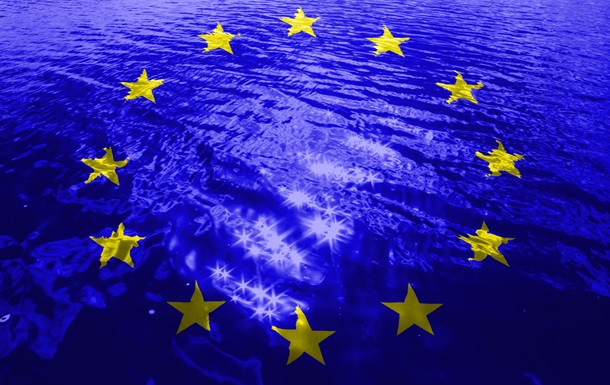
On
May 28, 2025, the European Union unveiled an updated Black Sea Strategy, aimed at enhancing security, fostering
resilient infrastructure connections, and implementing environmental standards
in one of the most complex and geopolitically sensitive regions in the world.
The strategy covers Ukraine, Moldova,
Georgia, Turkey, Armenia, and Azerbaijan, underscoring the EU’s ambition
to build a stable and prosperous “eastern corridor.”
1. Maritime Security: The Black Sea
as a Strategic Front
One
of the core pillars of the strategy is the strengthening of maritime security. The EU plans to establish a Regional Maritime Surveillance and Resilience
Center, tasked with navigation monitoring, combating smuggling,
responding to cyber threats, and addressing environmental disasters.
Following
Russia’s invasion of Ukraine in 2022, the Black Sea became not only a military
theater but also a critical transit zone for grain, energy, and military
logistics. The rising number of incidents involving naval mines, drones, and
attacks on commercial vessels has highlighted the need for enhanced
coordination among littoral states.
The
EU is focusing on improving interoperability between the naval forces of
Ukraine, Georgia, and NATO countries, including expanded cooperation with
Turkey.
2. Infrastructure Connectivity: The
Middle Corridor and Caucasus Trade Flow
The
second focus of the strategy is transport
and energy connectivity. The EU intends to support the development of
trans-Black Sea transport routes, including:
-
The Middle Corridor
(Trans-Caspian International Transport Route), linking Europe and China via the
Black Sea, South Caucasus, and the Caspian Sea;
-
Infrastructure projects in Georgia and Azerbaijan, such as railway hubs, dry
ports, and upgrades to bridges and tunnels;
-
Support for digital infrastructure,
including undersea cables, satellite communications, and 5G in border regions.
The
EU views the Black Sea region as a gateway
to Central Asia, offering an alternative to Russian and Iranian transit
corridors.
3. Environmental Focus: From
Sustainable Fisheries to Decarbonization
The
third pillar of the strategy centers on environmental
sustainability, including:
-
The creation of a unified platform for monitoring Black Sea pollution;
-
Support for decarbonizing port
infrastructure;
-
Programs on sustainable fishing and
biodiversity, involving research institutions from Georgia, Bulgaria,
and Ukraine.
For
the first time, the EU has introduced environmental criteria as a condition for
infrastructure funding — “green
corridors” and electrified
railways will receive priority.
This
new strategy is not only an economic blueprint but also a political manifesto. Amid growing
tensions in the Black Sea and South Caucasus regions, the EU:
-
Seeks to balance relations between Turkey and Armenia;
-
Supports Ukraine and Moldova on their path to EU integration;
-
Increases its presence in Georgia, where political instability persists;
-
Offers an alternative to China’s investment model through its Global Gateway initiative.
The
EU’s goal is to create a belt of
resilient partners, building a “ring of stability” stretching from the
Balkans to the Caspian Sea.
Despite
its ambitions, the strategy may face several obstacles:
- Instability in the South Caucasus, including internal protests and
external threats;
- Resistance from Turkey, which views the Black Sea as part
of its sphere of influence;
- Limited EU resources, especially with ongoing commitments in Ukraine and
Moldova.
The EU’s Black Sea Strategy is an attempt to establish a new architecture of security and development in the region, prioritizing cooperation, sustainability, and integration without coercion. If implemented consistently, it could transform the region from a conflict zone into a space of opportunity.
Expert Group CCBS


 Latest news
Latest news
Latest newsGeorgia’s Constitutional Court Continues Case on Banning Opposition Parties: Political Pluralism at Stake
12.Oct.2026
Azerbaijan and Iran Step Up Security Contacts Amid Hijab Protests
12.Oct.2026
Personnel Shortages Complicate Ukrainian Forces’ Rotation: Ukraine Faces Long-Term Challenges on the Front Line
11.Oct.2026
Trump Eases Sanctions on Russian Fuel After Talks with Putin: Kyiv Fears Boost to Moscow’s War Revenues
10.Oct.2026
Putin Seeks to Strengthen Russia’s Influence in the Post-Soviet Space Through the CIS
10.Oct.2026
Russia and the South Caucasus: External Pressure, Political Competition and a Crisis of Trust
10.Oct.2026
Peaceful Settlement Between Armenia and Azerbaijan: Moving from Declarations to Implementation
10.Oct.2026
Moldova Ready to Accept as Many Ukrainians as Necessary if Situation Worsens This Winter
09.Oct.2026
Turkmenistan Turns Avaza into a Regional Diplomatic Hub as Caspian, Central Asian and CIS Agendas Converge
08.Oct.2026
Romania Scrambles Spanish F-18s After Aerial Targets Detected Near Ukrainian Border
07.Oct.2026
Berlin Deepens Defence Partnership with Kyiv: Germany to Provide Ukraine with €1 Billion in Military Aid
07.Oct.2026
European Parliament Against Georgian Dream: EU Prepares New Response to Tbilisi
06.Oct.2026
Bulgarian Foreign Minister to Discuss European Security and International Law in the Netherlands
05.Oct.2026
Rheinmetall in Bulgaria: Sofia Emerges as a New NATO Defence-Industrial Hub in the Balkans
05.Oct.2026
The Cost of a Long War: Moscow Expands Spending Plans Through 2029
05.Oct.2026