
 13 Oct 2026









Russian Drone with Solar Panels Found in Ukraine: A New Phase in UAV Tactics
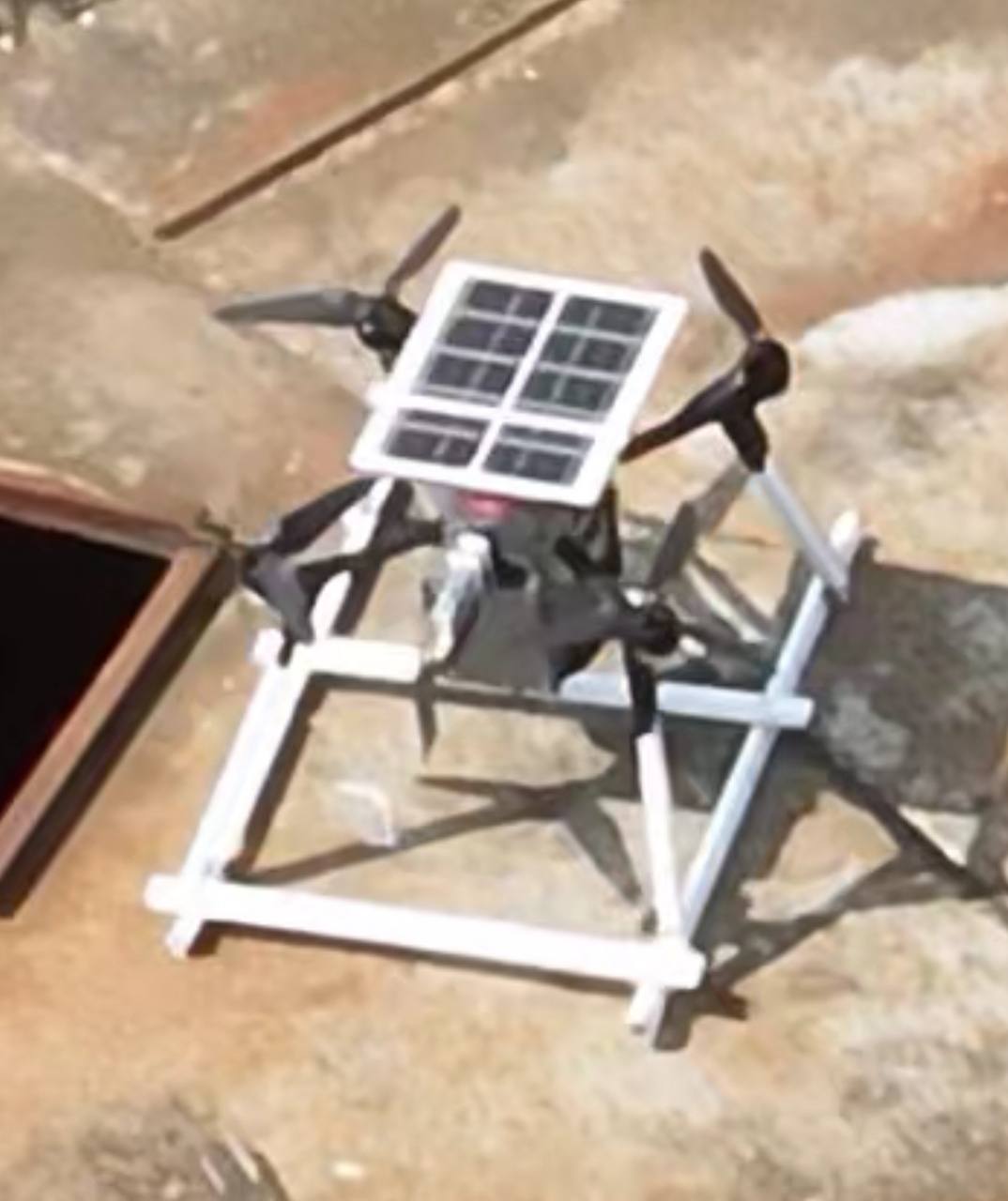
A highly unusual Russian drone was discovered in Ukraine-controlled territory: an FPV drone equipped with a foldable solar panel. The incident has drawn significant attention from military experts, as it may signal a new technological approach to drone warfare.
According to military expert Sergey Beskresnov, the solar panels are not intended to power the drone in flight, as they do not provide enough energy. Instead, their main function is to support the drone in a standby mode on the ground: the camera and data transmission system remain active, allowing the drone to monitor its surroundings for hours or even days while waiting for the right moment to attack or gather intelligence.
“It’s essentially a sentry mode – the drone lies in cover, observing and awaiting orders. There's no need to recharge it manually or return it to base”, Beskresnov explains.
Military analysts emphasize that such drones are evolving from single-use weapons into elements of long-term tactical strategy. They can operate as scouts, tracking troop and vehicle movements, or suddenly activate to strike a detected target.
Ukrainian forces have been alerted to the threat: countermeasures are being developed, including electronic warfare systems and visual reconnaissance, to detect and neutralize such “observer drones”.
Since the start of the full-scale invasion, Russia has been actively upgrading its UAV arsenal. From “Geran” kamikaze drones to improvised FPV models, drones have become a critical component of frontline operations. The addition of solar panels may further increase their autonomy and tactical flexibility.
Monitoring the evolution of drone tactics is becoming increasingly important – both for Ukrainian defense and for international partners. Solar-powered drones are not just a novelty; they represent another step toward long-duration, autonomous warfare at a distance.
Source: BulgarianMilitary.com


 Latest news
Latest news
Latest newsGeorgia’s Constitutional Court Continues Case on Banning Opposition Parties: Political Pluralism at Stake
12.Oct.2026
Azerbaijan and Iran Step Up Security Contacts Amid Hijab Protests
12.Oct.2026
Personnel Shortages Complicate Ukrainian Forces’ Rotation: Ukraine Faces Long-Term Challenges on the Front Line
11.Oct.2026
Trump Eases Sanctions on Russian Fuel After Talks with Putin: Kyiv Fears Boost to Moscow’s War Revenues
10.Oct.2026
Putin Seeks to Strengthen Russia’s Influence in the Post-Soviet Space Through the CIS
10.Oct.2026
Russia and the South Caucasus: External Pressure, Political Competition and a Crisis of Trust
10.Oct.2026
Peaceful Settlement Between Armenia and Azerbaijan: Moving from Declarations to Implementation
10.Oct.2026
Moldova Ready to Accept as Many Ukrainians as Necessary if Situation Worsens This Winter
09.Oct.2026
Turkmenistan Turns Avaza into a Regional Diplomatic Hub as Caspian, Central Asian and CIS Agendas Converge
08.Oct.2026
Romania Scrambles Spanish F-18s After Aerial Targets Detected Near Ukrainian Border
07.Oct.2026
Berlin Deepens Defence Partnership with Kyiv: Germany to Provide Ukraine with €1 Billion in Military Aid
07.Oct.2026
European Parliament Against Georgian Dream: EU Prepares New Response to Tbilisi
06.Oct.2026
Bulgarian Foreign Minister to Discuss European Security and International Law in the Netherlands
05.Oct.2026
Rheinmetall in Bulgaria: Sofia Emerges as a New NATO Defence-Industrial Hub in the Balkans
05.Oct.2026
The Cost of a Long War: Moscow Expands Spending Plans Through 2029
05.Oct.2026