
 13 Oct 2026









Modi and Zelensky Discuss Peaceful Settlement: India Hopes to Raise the Ukraine Issue at the SCO Summit
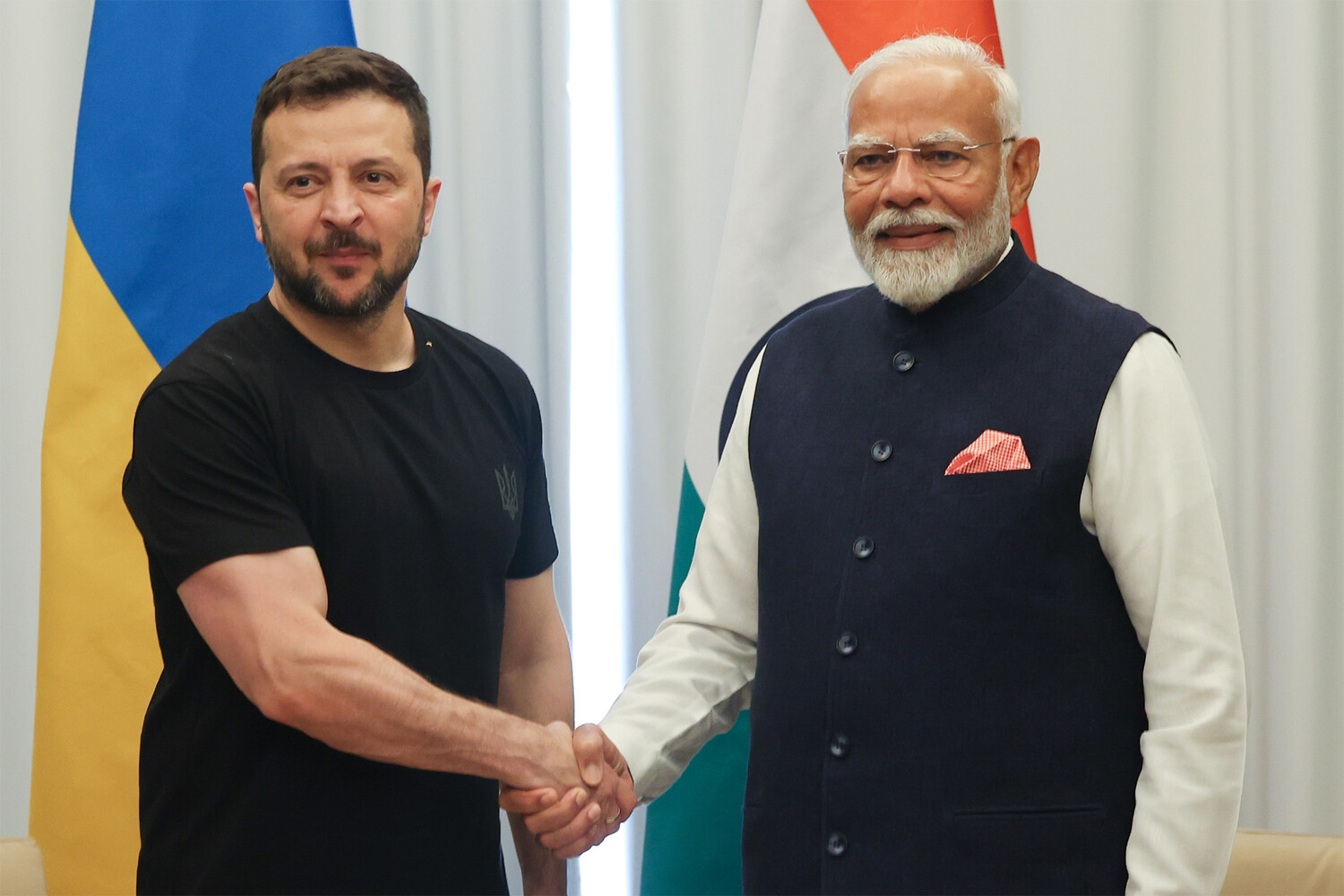
Indian Prime Minister Narendra Modi held a phone conversation with Ukrainian President Volodymyr Zelensky, during which he expressed firm support for a peaceful settlement of the war. The Indian leader emphasized the need to end hostilities and find a diplomatic solution.
According to Modi, the conflict in Europe has an impact far beyond the region, affecting global food and energy security. He noted that New Delhi intends to continue contacts with both sides and is ready to assist in finding a formula for peace. The Indian Prime Minister also expressed hope that the issue of Ukraine will be brought up at the upcoming SCO summit in Tianjin (China), where leaders of Russia, China, Turkey, Pakistan, and other member states will gather.
Based on this, it can be concluded that Modi is actively positioning India as a neutral yet influential player capable of acting as a mediator between Moscow and Kyiv. For New Delhi, this is an opportunity to strengthen its image as a global power, independent of the West while remaining open to dialogue with both Russia and the United States.
In addition, India traditionally maintains close economic ties with Russia (especially in energy and defense cooperation) while simultaneously developing relations with the West. The call for peace allows Delhi to maintain balance and avoid pressure from either side. If Ukraine becomes a separate topic at the SCO summit, it will be an important precedent: an organization originally created as a regional security format in Asia will for the first time seriously address a European crisis. This will allow China and India to show that they are ready to propose alternatives to Western settlement formats.
For Moscow, the Indian initiative may be beneficial: it eases international isolation and demonstrates that negotiations are possible not only under the auspices of the US or the EU. For Kyiv, India’s participation gives a chance to draw attention to its positions on a platform traditionally dominated by Moscow and Beijing.
Thus, India is effectively presenting itself as a potential mediator at the global level. However, New Delhi’s real influence on the course of the war is limited: everything will depend on the willingness of Russia and Ukraine to compromise and on how much China supports the Indian initiative at the SCO summit.


 Latest news
Latest news
Latest newsGeorgia’s Constitutional Court Continues Case on Banning Opposition Parties: Political Pluralism at Stake
12.Oct.2026
Azerbaijan and Iran Step Up Security Contacts Amid Hijab Protests
12.Oct.2026
Personnel Shortages Complicate Ukrainian Forces’ Rotation: Ukraine Faces Long-Term Challenges on the Front Line
11.Oct.2026
Trump Eases Sanctions on Russian Fuel After Talks with Putin: Kyiv Fears Boost to Moscow’s War Revenues
10.Oct.2026
Putin Seeks to Strengthen Russia’s Influence in the Post-Soviet Space Through the CIS
10.Oct.2026
Russia and the South Caucasus: External Pressure, Political Competition and a Crisis of Trust
10.Oct.2026
Peaceful Settlement Between Armenia and Azerbaijan: Moving from Declarations to Implementation
10.Oct.2026
Moldova Ready to Accept as Many Ukrainians as Necessary if Situation Worsens This Winter
09.Oct.2026
Turkmenistan Turns Avaza into a Regional Diplomatic Hub as Caspian, Central Asian and CIS Agendas Converge
08.Oct.2026
Romania Scrambles Spanish F-18s After Aerial Targets Detected Near Ukrainian Border
07.Oct.2026
Berlin Deepens Defence Partnership with Kyiv: Germany to Provide Ukraine with €1 Billion in Military Aid
07.Oct.2026
European Parliament Against Georgian Dream: EU Prepares New Response to Tbilisi
06.Oct.2026
Bulgarian Foreign Minister to Discuss European Security and International Law in the Netherlands
05.Oct.2026
Rheinmetall in Bulgaria: Sofia Emerges as a New NATO Defence-Industrial Hub in the Balkans
05.Oct.2026
The Cost of a Long War: Moscow Expands Spending Plans Through 2029
05.Oct.2026