
 13 Oct 2026









Armenia Revises Security Concept: Pashinyan Criticizes CSTO
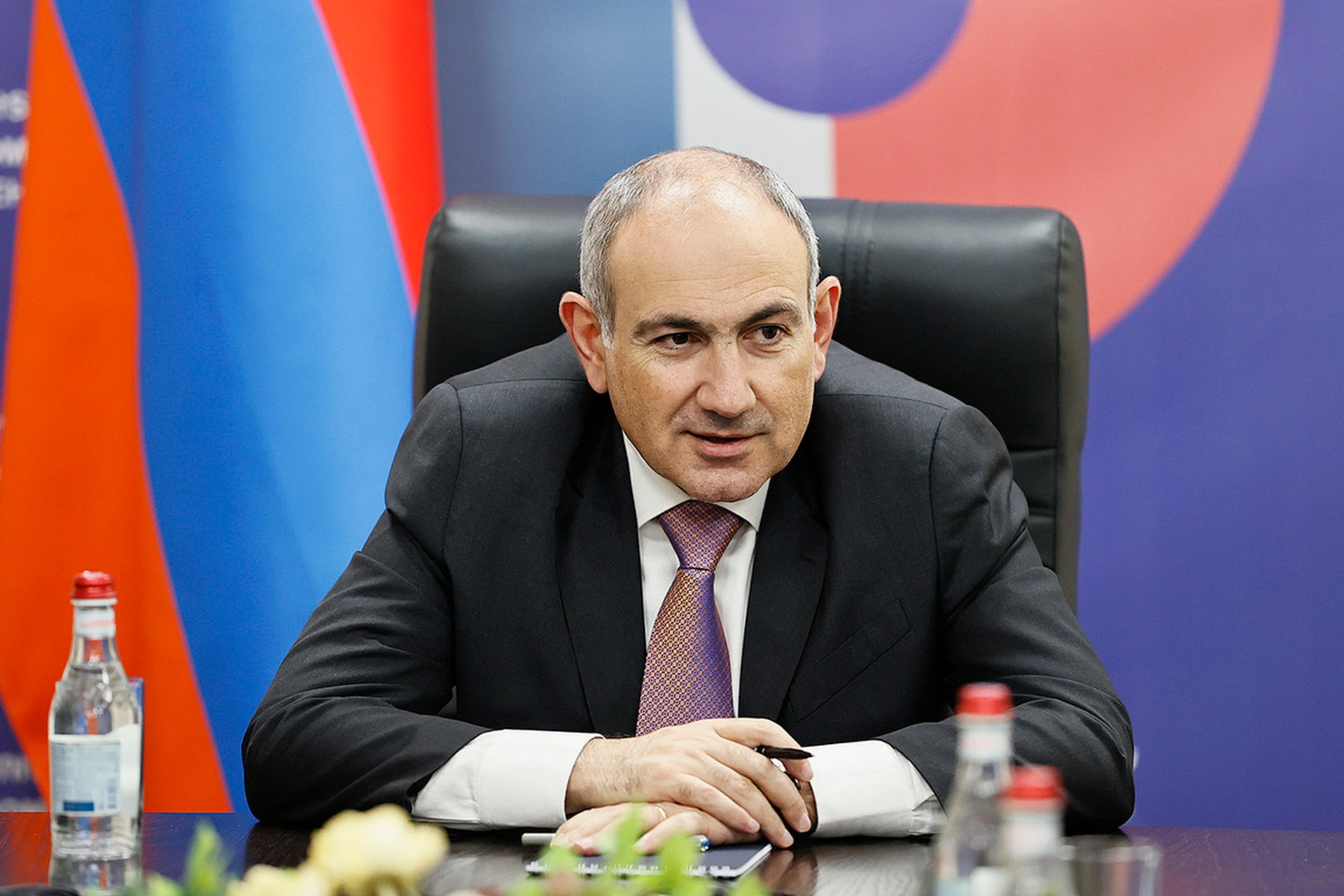
Prime Minister of Armenia
Nikol Pashinyan stated that the country’s traditional concept of external security
has effectively “failed”. According to him, the Collective Security Treaty
Organization (CSTO), of which Armenia has been a member since its creation,
failed three times to fulfill its allied obligations to the republic.
Pashinyan
stressed that the crisis of trust in the CSTO has become systemic, and the very
model of ensuring security through external allied structures can no longer be
considered reliable.
“Armenia has found itself in a situation where its expectations from allied formats have not been met. This requires a revision of the entire architecture of national security”, – the prime minister noted.
The
statement came against the backdrop of ongoing negotiations on normalizing
relations with Azerbaijan and internal debates about reorienting foreign
policy. The Armenian leadership increasingly speaks of the need to build a more
independent defense system and seek new international partnerships.
Pashinyan’s
words confirm Armenia’s growing distance from the CSTO and Russia, which has
traditionally been considered the main guarantor of the republic’s security.
For Moscow, this is a blow to its image: an ally in the South Caucasus openly
declares the failure of a system created under its leadership.
In
recent years, Yerevan has been developing ties with the EU, the US, France, and
Iran, seeking to establish alternative mechanisms of protection. Domestically,
this is a step toward forming a “multi-vector” strategy in which Russia ceases
to be an unconditional partner.
However,
a sharp departure from the CSTO may lead to increased pressure from Moscow,
including economic and energy-related measures. At the same time, building up
Armenia’s independent military potential and searching for new allies will
require significant financial resources.
Pashinyan’s
statement could also accelerate peace talks with Azerbaijan: in the context of
the “failure of the old system”, Armenia is interested in reducing the risks of
conflict. Turkey and Azerbaijan, on the other hand, are likely to use Yerevan’s
weakened ties with Moscow as an opportunity to strengthen their influence.
Thus, Pashinyan’s statement is not just criticism of the CSTO, but a signal of a paradigm shift in Armenian security. Armenia effectively acknowledges that the previous model of “relying on allies” has not worked and is ready to look for new formats, even at the cost of escalating tensions with Moscow.


 Latest news
Latest news
Latest newsGeorgia’s Constitutional Court Continues Case on Banning Opposition Parties: Political Pluralism at Stake
12.Oct.2026
Azerbaijan and Iran Step Up Security Contacts Amid Hijab Protests
12.Oct.2026
Personnel Shortages Complicate Ukrainian Forces’ Rotation: Ukraine Faces Long-Term Challenges on the Front Line
11.Oct.2026
Trump Eases Sanctions on Russian Fuel After Talks with Putin: Kyiv Fears Boost to Moscow’s War Revenues
10.Oct.2026
Putin Seeks to Strengthen Russia’s Influence in the Post-Soviet Space Through the CIS
10.Oct.2026
Russia and the South Caucasus: External Pressure, Political Competition and a Crisis of Trust
10.Oct.2026
Peaceful Settlement Between Armenia and Azerbaijan: Moving from Declarations to Implementation
10.Oct.2026
Moldova Ready to Accept as Many Ukrainians as Necessary if Situation Worsens This Winter
09.Oct.2026
Turkmenistan Turns Avaza into a Regional Diplomatic Hub as Caspian, Central Asian and CIS Agendas Converge
08.Oct.2026
Romania Scrambles Spanish F-18s After Aerial Targets Detected Near Ukrainian Border
07.Oct.2026
Berlin Deepens Defence Partnership with Kyiv: Germany to Provide Ukraine with €1 Billion in Military Aid
07.Oct.2026
European Parliament Against Georgian Dream: EU Prepares New Response to Tbilisi
06.Oct.2026
Bulgarian Foreign Minister to Discuss European Security and International Law in the Netherlands
05.Oct.2026
Rheinmetall in Bulgaria: Sofia Emerges as a New NATO Defence-Industrial Hub in the Balkans
05.Oct.2026
The Cost of a Long War: Moscow Expands Spending Plans Through 2029
05.Oct.2026