
 13 Oct 2026









Azerbaijan Marks Fifth Anniversary of “Victory Day”: A View from Both Sides of the Caucasus
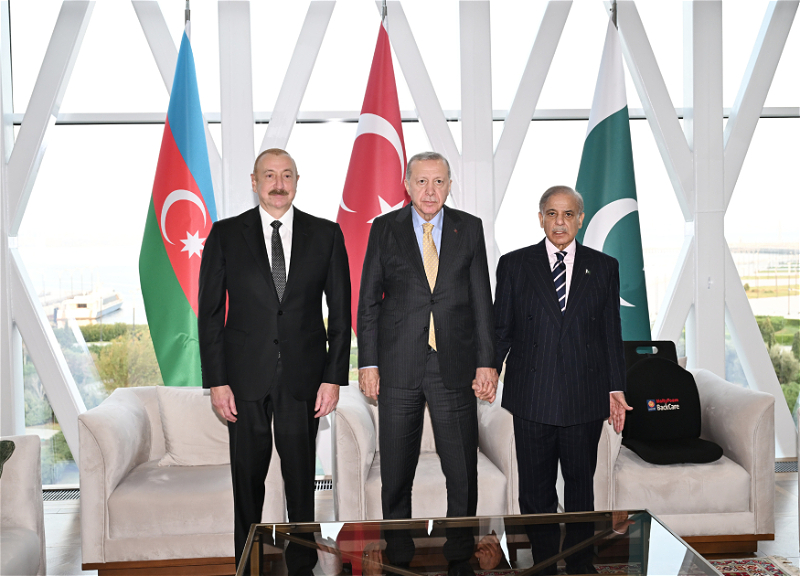
Mass celebrations took place in the capital of Azerbaijan to commemorate the fifth anniversary of the end of the Second Karabakh War. The central event was a military parade on Azadliq Square, attended by the armed forces of Azerbaijan as well as delegations from Turkey and Pakistan. Among those present were the leaders of the three countries – Ilham Aliyev, Recep Tayyip Erdoghan, and Shehbaz Sharif.
The celebration of “Victory Day” is traditionally perceived in Azerbaijan as a symbol of the restoration of the country’s territorial integrity and the military success of 2020. At the same time, in Armenia this event evokes complex emotions – as a reminder of the tragic consequences of the conflict, human losses, and the forced displacement of thousands of Armenians from Nagorno-Karabakh.
Despite Baku’s official statements about the “beginning of an era of peace”, the negotiation process between the two countries remains tense. Azerbaijan insists on amending Armenia’s constitution, which still mentions Artsakh (Nagorno-Karabakh), considering it an obstacle to signing a peace treaty.
Armenian analysts note that the parade in Baku has not only military but also symbolic and political significance. In their view, the display of strength serves less military purposes and more the goal of internal consolidation of Azerbaijani society and reaffirming the country’s alliances with Turkey and Pakistan.
Armenian media emphasize that, despite ongoing tensions, there is a growing public demand in both societies for stability and normalization of relations. According to international surveys, the majority of citizens in Armenia and Azerbaijan support resolving the conflict through diplomatic means.
After losing control over Artsakh, Yerevan is focusing on internal reforms and strengthening partnerships with the West, primarily with the EU and France. Armenia demonstrates readiness for compromise but not for concessions that could be seen as a loss of national dignity.
Russia has lost part of its influence in the South Caucasus – following the withdrawal of peacekeepers and a reduction in its involvement in regional processes. Turkey and EU countries are actively taking advantage of this. Western analysts see this as an opportunity for gradual “Europeanization” of the region, while warning that without addressing the humanitarian consequences of the conflict, a lasting peace will remain an illusion.
In the foreseeable future, the key issue remains the signing of a peace agreement and the creation of real security guarantees for both Azerbaijan and Armenia. Many experts believe that sustainable peace will only be possible through mutual recognition of sovereignty and respect for the rights of all residents of the region, regardless of nationality.


 Latest news
Latest news
Latest newsGeorgia’s Constitutional Court Continues Case on Banning Opposition Parties: Political Pluralism at Stake
12.Oct.2026
Azerbaijan and Iran Step Up Security Contacts Amid Hijab Protests
12.Oct.2026
Personnel Shortages Complicate Ukrainian Forces’ Rotation: Ukraine Faces Long-Term Challenges on the Front Line
11.Oct.2026
Trump Eases Sanctions on Russian Fuel After Talks with Putin: Kyiv Fears Boost to Moscow’s War Revenues
10.Oct.2026
Putin Seeks to Strengthen Russia’s Influence in the Post-Soviet Space Through the CIS
10.Oct.2026
Russia and the South Caucasus: External Pressure, Political Competition and a Crisis of Trust
10.Oct.2026
Peaceful Settlement Between Armenia and Azerbaijan: Moving from Declarations to Implementation
10.Oct.2026
Moldova Ready to Accept as Many Ukrainians as Necessary if Situation Worsens This Winter
09.Oct.2026
Turkmenistan Turns Avaza into a Regional Diplomatic Hub as Caspian, Central Asian and CIS Agendas Converge
08.Oct.2026
Romania Scrambles Spanish F-18s After Aerial Targets Detected Near Ukrainian Border
07.Oct.2026
Berlin Deepens Defence Partnership with Kyiv: Germany to Provide Ukraine with €1 Billion in Military Aid
07.Oct.2026
European Parliament Against Georgian Dream: EU Prepares New Response to Tbilisi
06.Oct.2026
Bulgarian Foreign Minister to Discuss European Security and International Law in the Netherlands
05.Oct.2026
Rheinmetall in Bulgaria: Sofia Emerges as a New NATO Defence-Industrial Hub in the Balkans
05.Oct.2026
The Cost of a Long War: Moscow Expands Spending Plans Through 2029
05.Oct.2026