
 13 Oct 2026









Iran and Turkey on the Verge of a New Phase of Economic Cooperation
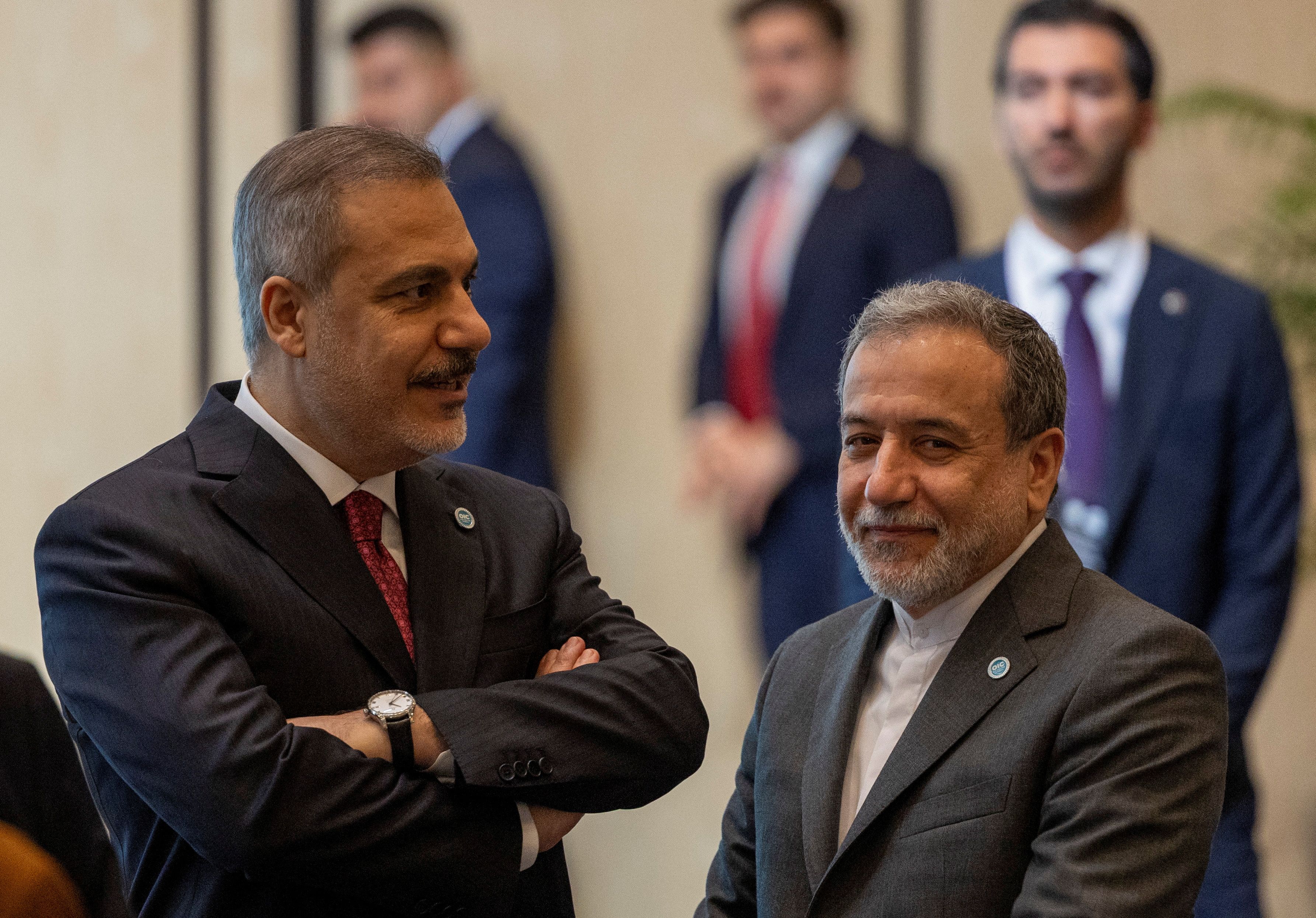
At a
joint press conference in Tehran, the foreign ministers of Iran and Turkey –
Abbas Araghchi and Hakan Fidan – announced their intention to remove the
obstacles hindering full-fledged bilateral trade and investment cooperation.
Following the meeting, the sides agreed to hold a session
of the High-Level Cooperation Council and to resume the work of the Joint
Economic Commission, which is intended to systematically advance the deepening
of economic ties.
Despite geographic proximity and historically close
cultural and religious links, the actual potential for trade and investment
remains underutilized. According to experts, eliminating tariff, logistical,
and regulatory barriers could significantly expand bilateral trade, particularly
in sectors such as energy, railway and transport corridors, free economic
zones, and cross-border logistics.
In the energy sector, Iran remains a reliable supplier –
the statement noted that the country is ready to extend gas contracts and
develop cooperation in electricity generation. Key constraints have included
tariff barriers and bureaucratic hurdles that slowed exports and investment
projects, especially for Iranian producers in the Turkish market.
Insufficient capacity of rail and transport routes, as well
as the lack of active border crossings, have also held back trade turnover. The
plan is to utilize existing and new infrastructure projects – the
Cheshmeh-Seraya-Aralik railway corridor, joint free economic zones, and the
launch of a new border crossing – as tools to accelerate trade.
If the agreements are implemented, this could become the
first step toward sustainable growth in bilateral trade – potentially to levels
significantly above the current figures. Increased investment and trade activity
could stimulate economic growth, export diversification, and the development of
import-substituting industries.
Cooperation is expected to deepen not only in the economic
sphere but also in energy, transport, and infrastructure – potentially
strengthening the strategic partnership between Iran and Turkey at the regional
level. Implementation of these plans may also positively affect border
provinces in both countries, promoting improvements in logistics, job creation,
and regional development.
The statement by Tehran and Ankara signals a new stage of cooperation, in which bilateral relations may move beyond “political proximity” into the realm of genuine economic engagement. If the agreements are implemented promptly and consistently, Iran and Turkey may unlock substantial trade and investment potential, overcoming decades of missed opportunities.


 Latest news
Latest news
Latest newsGeorgia’s Constitutional Court Continues Case on Banning Opposition Parties: Political Pluralism at Stake
12.Oct.2026
Azerbaijan and Iran Step Up Security Contacts Amid Hijab Protests
12.Oct.2026
Personnel Shortages Complicate Ukrainian Forces’ Rotation: Ukraine Faces Long-Term Challenges on the Front Line
11.Oct.2026
Trump Eases Sanctions on Russian Fuel After Talks with Putin: Kyiv Fears Boost to Moscow’s War Revenues
10.Oct.2026
Putin Seeks to Strengthen Russia’s Influence in the Post-Soviet Space Through the CIS
10.Oct.2026
Russia and the South Caucasus: External Pressure, Political Competition and a Crisis of Trust
10.Oct.2026
Peaceful Settlement Between Armenia and Azerbaijan: Moving from Declarations to Implementation
10.Oct.2026
Moldova Ready to Accept as Many Ukrainians as Necessary if Situation Worsens This Winter
09.Oct.2026
Turkmenistan Turns Avaza into a Regional Diplomatic Hub as Caspian, Central Asian and CIS Agendas Converge
08.Oct.2026
Romania Scrambles Spanish F-18s After Aerial Targets Detected Near Ukrainian Border
07.Oct.2026
Berlin Deepens Defence Partnership with Kyiv: Germany to Provide Ukraine with €1 Billion in Military Aid
07.Oct.2026
European Parliament Against Georgian Dream: EU Prepares New Response to Tbilisi
06.Oct.2026
Bulgarian Foreign Minister to Discuss European Security and International Law in the Netherlands
05.Oct.2026
Rheinmetall in Bulgaria: Sofia Emerges as a New NATO Defence-Industrial Hub in the Balkans
05.Oct.2026
The Cost of a Long War: Moscow Expands Spending Plans Through 2029
05.Oct.2026