
 13 Oct 2026









U.S. Intelligence Assessment: The Kremlin Is Not Ready for Compromise on Ukraine
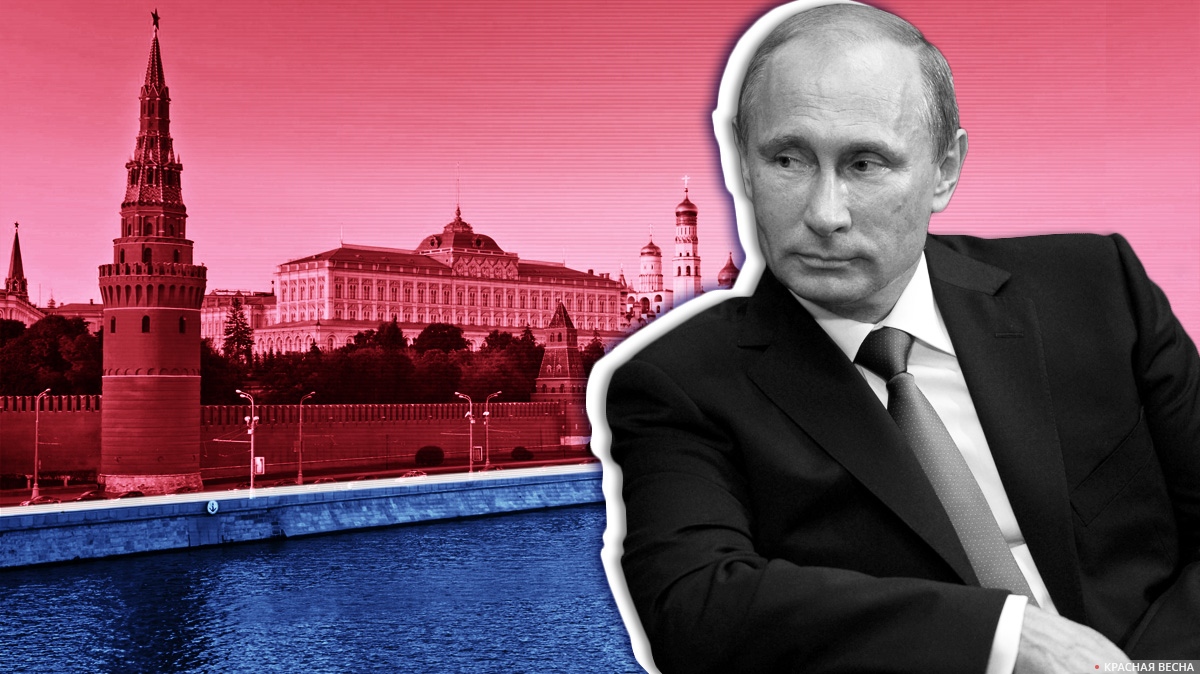
U.S. intelligence agencies believe that Russian President Vladimir Putin’s objectives in the war against Ukraine remain unchanged, despite ongoing diplomatic contacts and statements about a possible peaceful settlement. According to Reuters, citing several sources familiar with U.S. intelligence assessments, the Kremlin continues to aim for maximum control over Ukraine and shows no signs of abandoning these intentions. These conclusions were set out in analytical reports prepared at the end of September and, according to the sources, have not changed since then.
According to U.S. and European intelligence assessments, Putin’s views on the conflict are strategic and long-term in nature and do not depend directly on the current dynamics of the fighting or on economic pressure from the West. Intelligence officials believe that Moscow views the war not only as a confrontation with Ukraine, but also as part of a broader effort to restore Russia’s influence in the region and to reshape Europe’s security architecture. Sources also note that Russia may be using negotiations primarily as a tool to buy time and strengthen its positions, rather than as a genuine attempt to reach a compromise.

Russia currently controls about 20% of Ukraine’s territory, including Crimea and significant parts of the Donetsk, Luhansk, Zaporizhzhia, and Kherson regions. At the same time, the U.S. administration has publicly stated that diplomatic efforts are making progress and that a possible peace plan is being discussed, including security guarantees for Ukraine. However, the territorial issue remains the main obstacle to an agreement, as Kyiv rejects any proposals that would imply recognition of the loss of its territories.
U.S. intelligence officials emphasize that there are currently no signs that Moscow is ready to make meaningful concessions that could lead to a swift end to the war. In this context, analysts warn that the conflict is likely to remain prolonged, even if the negotiation process continues at the political level.


 Latest news
Latest news
Latest newsGeorgia’s Constitutional Court Continues Case on Banning Opposition Parties: Political Pluralism at Stake
12.Oct.2026
Azerbaijan and Iran Step Up Security Contacts Amid Hijab Protests
12.Oct.2026
Personnel Shortages Complicate Ukrainian Forces’ Rotation: Ukraine Faces Long-Term Challenges on the Front Line
11.Oct.2026
Trump Eases Sanctions on Russian Fuel After Talks with Putin: Kyiv Fears Boost to Moscow’s War Revenues
10.Oct.2026
Putin Seeks to Strengthen Russia’s Influence in the Post-Soviet Space Through the CIS
10.Oct.2026
Russia and the South Caucasus: External Pressure, Political Competition and a Crisis of Trust
10.Oct.2026
Peaceful Settlement Between Armenia and Azerbaijan: Moving from Declarations to Implementation
10.Oct.2026
Moldova Ready to Accept as Many Ukrainians as Necessary if Situation Worsens This Winter
09.Oct.2026
Turkmenistan Turns Avaza into a Regional Diplomatic Hub as Caspian, Central Asian and CIS Agendas Converge
08.Oct.2026
Romania Scrambles Spanish F-18s After Aerial Targets Detected Near Ukrainian Border
07.Oct.2026
Berlin Deepens Defence Partnership with Kyiv: Germany to Provide Ukraine with €1 Billion in Military Aid
07.Oct.2026
European Parliament Against Georgian Dream: EU Prepares New Response to Tbilisi
06.Oct.2026
Bulgarian Foreign Minister to Discuss European Security and International Law in the Netherlands
05.Oct.2026
Rheinmetall in Bulgaria: Sofia Emerges as a New NATO Defence-Industrial Hub in the Balkans
05.Oct.2026
The Cost of a Long War: Moscow Expands Spending Plans Through 2029
05.Oct.2026