
 13 Oct 2026









From Missiles to Micro-Drones: Ukraine Is Shaping the Future of Air Defense
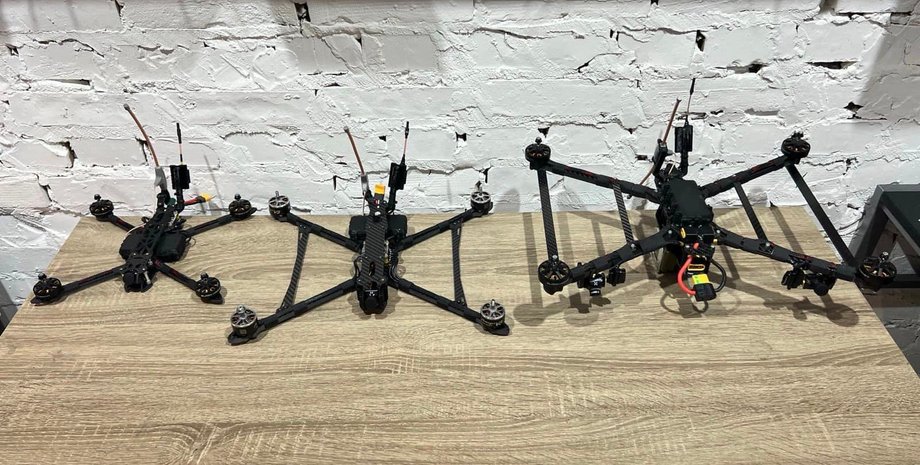
The war in Ukraine has entered a new phase in which the decisive role is increasingly played not by ultra-expensive surface-to-air missiles and layered air defense systems, but by low-cost, mass-produced and technologically simple interceptor drones.
In recent months, Ukrainian engineers, volunteers and
private startups have developed and rapidly deployed combat-ready systems
capable of effectively countering Russian kamikaze drones, which regularly
strike civilian infrastructure, energy facilities and urban areas.

These new “drone hunters”, including models known as Sting and Bullet, were created
in record time – moving from early prototypes to industrial production within
just a few months in 2025. Their key advantage over traditional air-defense
systems lies in economics: a single interceptor costs roughly $1000–$3000,
while a typical Russian attack drone, such as the Iranian-designed Shahed, is
estimated at $10000 to $300000. This asymmetry changes the rules of the game,
allowing Ukraine to impose economic losses on the attacker by neutralizing
threats at minimal cost.

The interceptors are highly maneuverable and can be
deployed by night patrols to protect critical facilities. Operators control
them using First-Person View systems via headsets or monitors, making the
experience resemble that of gaming pilots operating in real combat conditions.
According to developers and frontline operators, their effectiveness is driven
not only by low cost, but also by rapid production cycles and the flexibility
to adapt quickly to evolving tactical threats.

Defense experts note that this approach reflects a broader
global shift in air-defense thinking. Traditional systems based on expensive
missiles and radar networks remain essential for countering high-end threats,
but Ukraine’s experience demonstrates that low-budget autonomous solutions can
significantly strengthen defensive layers, particularly against mass drone
attacks. Analysts in the United States and Europe increasingly describe these
inexpensive interceptors as a potential cornerstone of future counter-drone
strategies, designed to be integrated into comprehensive air-defense
architectures.
Production of these systems in Ukraine has already scaled
to serial levels, with cooperation with Western companies expected to intensify
in 2026. Such partnerships aim to expand output, introduce automation and
artificial intelligence elements, and further integrate Ukrainian technologies
into NATO defense supply chains. This is especially significant given Europe’s
plans to establish a so-called “drone wall” along its eastern borders to counter
future aerial threats.

Feedback from the front further underscores the importance
of these systems. Battalion commanders and operators emphasize that every
intercepted enemy drone means lives saved, infrastructure preserved and power
stations protected – factors that directly influence morale and societal
resilience amid a prolonged conflict.
In this way, Ukraine is not only adapting its defense capabilities to the realities of modern warfare, but is also shaping new global standards for counter-drone defense. Developed under constant pressure, these low-cost technologies may ultimately become a core element of air defense not only for Ukraine, but for other countries facing the growing threat of mass drone warfare.


 Latest news
Latest news
Latest newsGeorgia’s Constitutional Court Continues Case on Banning Opposition Parties: Political Pluralism at Stake
12.Oct.2026
Azerbaijan and Iran Step Up Security Contacts Amid Hijab Protests
12.Oct.2026
Personnel Shortages Complicate Ukrainian Forces’ Rotation: Ukraine Faces Long-Term Challenges on the Front Line
11.Oct.2026
Trump Eases Sanctions on Russian Fuel After Talks with Putin: Kyiv Fears Boost to Moscow’s War Revenues
10.Oct.2026
Putin Seeks to Strengthen Russia’s Influence in the Post-Soviet Space Through the CIS
10.Oct.2026
Russia and the South Caucasus: External Pressure, Political Competition and a Crisis of Trust
10.Oct.2026
Peaceful Settlement Between Armenia and Azerbaijan: Moving from Declarations to Implementation
10.Oct.2026
Moldova Ready to Accept as Many Ukrainians as Necessary if Situation Worsens This Winter
09.Oct.2026
Turkmenistan Turns Avaza into a Regional Diplomatic Hub as Caspian, Central Asian and CIS Agendas Converge
08.Oct.2026
Romania Scrambles Spanish F-18s After Aerial Targets Detected Near Ukrainian Border
07.Oct.2026
Berlin Deepens Defence Partnership with Kyiv: Germany to Provide Ukraine with €1 Billion in Military Aid
07.Oct.2026
European Parliament Against Georgian Dream: EU Prepares New Response to Tbilisi
06.Oct.2026
Bulgarian Foreign Minister to Discuss European Security and International Law in the Netherlands
05.Oct.2026
Rheinmetall in Bulgaria: Sofia Emerges as a New NATO Defence-Industrial Hub in the Balkans
05.Oct.2026
The Cost of a Long War: Moscow Expands Spending Plans Through 2029
05.Oct.2026