
 13 Oct 2026









From Crisis to Influence: Ukraine’s Diplomatic Breakthrough
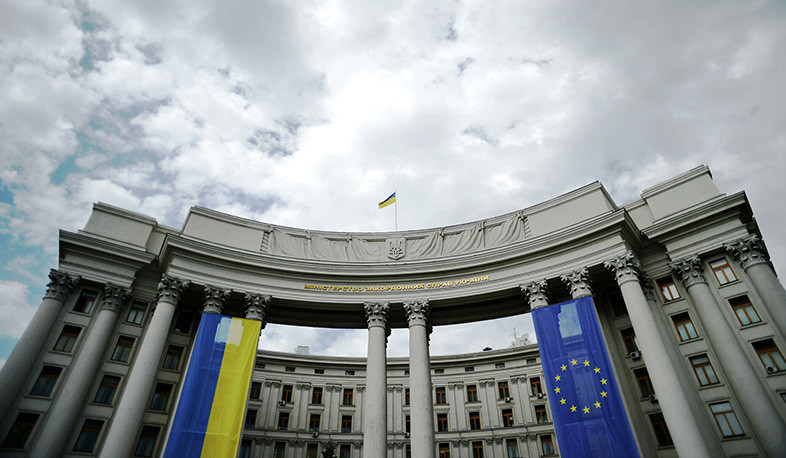
Throughout
2025, Ukrainian foreign policy experienced one of the most complex and
multifaceted periods in its modern history. President Volodymyr Zelenskyy
stated that during this year Ukraine did not cede a single international
platform to Russia on issues critical to its own security and international
standing. This formulation reflects not only diplomatic tactics but also a deep
strategic reorientation of Kyiv toward strengthening its global influence while
simultaneously pursuing the diplomatic isolation of Moscow.
Formally, this statement was made on the occasion of the
professional holiday of the diplomatic service, yet it points to a far broader
trend: from the first days of the full-scale invasion, Russian diplomacy came
under pressure from sanctions, suffered reputational losses in a number of key
institutions, and faced sustained criticism from Western allies. Ukrainian
diplomats, in turn, worked not only to consolidate their own positions within
the UN, the EU, and other international organizations, but also to actively
block Moscow’s attempts to restore its former influence or regain the status of
an equal partner on the international stage. This effort included preventing
Russia’s participation in elections to governing bodies of international
institutions and coordinating with key Western allies to deny it a return to de
jure legitimacy as a global actor, especially in forums addressing
accountability for aggression and adherence to international law.
What makes Ukrainian diplomatic activity particularly
significant is not only the struggle over formal mandates and seats, but also
the entrenchment of an ideological and moral argument against the war. From
calls to uphold sovereignty to active lobbying for expanded sanctions pressure,
Ukraine has become a catalyst for international debates on the principle that an
aggressor cannot act as a partner in matters touching the fundamental
foundations of the international order. This has been especially evident
against the backdrop of efforts by some Western capitals, with varying degrees
of success, to balance support for Kyiv with a desire to maintain dialogue with
Moscow on critical geopolitical issues.
At the same time, Ukrainian diplomacy is not confined to
denying Russia a role as a subject of international negotiations. It actively
engages allies in developing peace concepts, contrasting Moscow’s proposals
with the vision of a just and sustainable settlement. In 2025, amid ongoing
peace initiatives and negotiations involving the United States and the European
Union, Ukraine has advocated for a comprehensive peace plan with genuine
security guarantees, rather than a temporary ceasefire or arrangements that
would allow Russia to continue its aggression under a different pretext.
Such diplomacy represents not only strategy but tangible
influence over processes in which Ukraine’s position shapes the outcome of
global decisions. This is reflected in the growing support for Ukrainian
interests in working groups, policy documents, and resolutions, while Russia is
increasingly perceived as a source of destabilization rather than an equal
partner in international dialogue. Fundamentally, this approach signals
Ukraine’s transition from a state fighting for its very survival to an active
participant in the international order – one that helps shape the rules and
norms intended to prevent the recurrence of aggression on such a scale.
It is clear that this diplomatic course also entails a number of challenges. The strategic isolation of Russia on the world stage provokes a sharp reaction from its political establishment and places complex demands on Ukraine to maintain unity among its allies, where views on the tactics of pressure may differ. Nevertheless, at least at this stage, Ukraine’s diplomatic service demonstrates the capacity not only to withstand external challenges but also to set an active agenda, strengthening its influence on international processes and laying the groundwork for a future peace agreement that takes into account Ukraine’s independence and territorial integrity.


 Latest news
Latest news
Latest newsGeorgia’s Constitutional Court Continues Case on Banning Opposition Parties: Political Pluralism at Stake
12.Oct.2026
Azerbaijan and Iran Step Up Security Contacts Amid Hijab Protests
12.Oct.2026
Personnel Shortages Complicate Ukrainian Forces’ Rotation: Ukraine Faces Long-Term Challenges on the Front Line
11.Oct.2026
Trump Eases Sanctions on Russian Fuel After Talks with Putin: Kyiv Fears Boost to Moscow’s War Revenues
10.Oct.2026
Putin Seeks to Strengthen Russia’s Influence in the Post-Soviet Space Through the CIS
10.Oct.2026
Russia and the South Caucasus: External Pressure, Political Competition and a Crisis of Trust
10.Oct.2026
Peaceful Settlement Between Armenia and Azerbaijan: Moving from Declarations to Implementation
10.Oct.2026
Moldova Ready to Accept as Many Ukrainians as Necessary if Situation Worsens This Winter
09.Oct.2026
Turkmenistan Turns Avaza into a Regional Diplomatic Hub as Caspian, Central Asian and CIS Agendas Converge
08.Oct.2026
Romania Scrambles Spanish F-18s After Aerial Targets Detected Near Ukrainian Border
07.Oct.2026
Berlin Deepens Defence Partnership with Kyiv: Germany to Provide Ukraine with €1 Billion in Military Aid
07.Oct.2026
European Parliament Against Georgian Dream: EU Prepares New Response to Tbilisi
06.Oct.2026
Bulgarian Foreign Minister to Discuss European Security and International Law in the Netherlands
05.Oct.2026
Rheinmetall in Bulgaria: Sofia Emerges as a New NATO Defence-Industrial Hub in the Balkans
05.Oct.2026
The Cost of a Long War: Moscow Expands Spending Plans Through 2029
05.Oct.2026