
 13 Oct 2026









Turkey and Armenia Agree to Ease Visa Regime
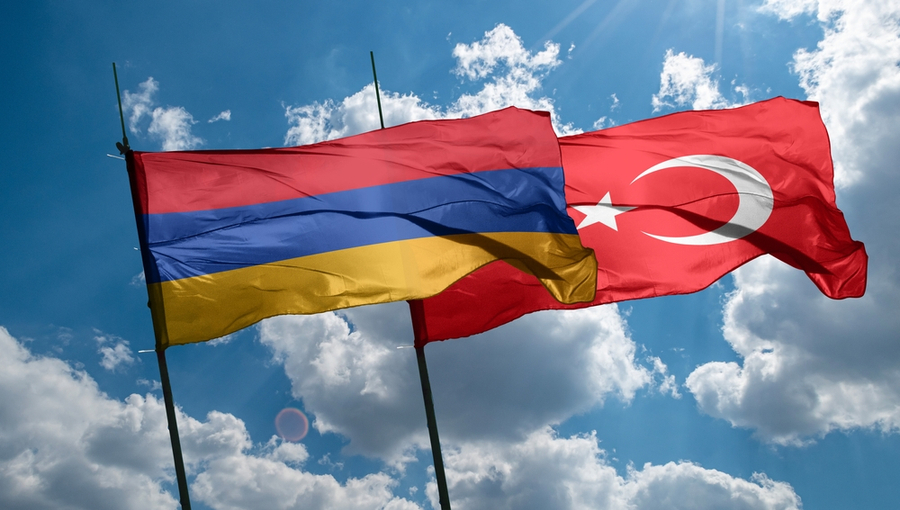
Ankara and Yerevan have announced a new step in the process of normalizing bilateral relations. Starting January 1, 2026, citizens of Turkey and Armenia holding diplomatic, service and special passports will be able to obtain electronic visas free of charge. The decision was formalized in a joint statement by Turkey’s Ministry of Foreign Affairs and reflects an agreement reached through dialogue between the two countries’ special envoys, a process that has been underway since 2021 as part of efforts to overcome long-standing differences and pave the way toward full relations without preconditions.
Relations between Ankara and Yerevan have remained strained for decades, with unresolved disputes over historical memory related to the events of 1915, which many historians classify as the Armenian genocide, a term rejected by Turkey in favor of alternative historical interpretations. Tensions have also been compounded by Turkey’s close political ties with Azerbaijan in the conflict over Nagorno-Karabakh, which led to the closure of the land border between Turkey and Armenia and the severing of diplomatic relations in 1993.

The easing of visa requirements is seen as a symbolic but important measure aimed at building trust and expanding contacts between official representatives of the two countries. In its statement, Turkey’s Foreign Ministry emphasized that the move is intended to support continued dialogue and the implementation of broader normalization agreements without any preconditions.

The decision also reflects ongoing efforts to promote regional cooperation. Previously, visa talks between Armenia and Turkey formed part of wider steps to reduce tensions in the region, including negotiations on the possible opening of the border, the expansion of trade ties, and coordination with the peace process between Armenia and Azerbaijan.
Analysts note that such measures, while limited in scope, could help lay the groundwork for further steps toward deeper political dialogue in 2026. The initiative has been welcomed in both Yerevan and Ankara as a practical element of improving bilateral cooperation, which over time could also facilitate broader contacts involving the business community and civil society.


 Latest news
Latest news
Latest newsGeorgia’s Constitutional Court Continues Case on Banning Opposition Parties: Political Pluralism at Stake
12.Oct.2026
Azerbaijan and Iran Step Up Security Contacts Amid Hijab Protests
12.Oct.2026
Personnel Shortages Complicate Ukrainian Forces’ Rotation: Ukraine Faces Long-Term Challenges on the Front Line
11.Oct.2026
Trump Eases Sanctions on Russian Fuel After Talks with Putin: Kyiv Fears Boost to Moscow’s War Revenues
10.Oct.2026
Putin Seeks to Strengthen Russia’s Influence in the Post-Soviet Space Through the CIS
10.Oct.2026
Russia and the South Caucasus: External Pressure, Political Competition and a Crisis of Trust
10.Oct.2026
Peaceful Settlement Between Armenia and Azerbaijan: Moving from Declarations to Implementation
10.Oct.2026
Moldova Ready to Accept as Many Ukrainians as Necessary if Situation Worsens This Winter
09.Oct.2026
Turkmenistan Turns Avaza into a Regional Diplomatic Hub as Caspian, Central Asian and CIS Agendas Converge
08.Oct.2026
Romania Scrambles Spanish F-18s After Aerial Targets Detected Near Ukrainian Border
07.Oct.2026
Berlin Deepens Defence Partnership with Kyiv: Germany to Provide Ukraine with €1 Billion in Military Aid
07.Oct.2026
European Parliament Against Georgian Dream: EU Prepares New Response to Tbilisi
06.Oct.2026
Bulgarian Foreign Minister to Discuss European Security and International Law in the Netherlands
05.Oct.2026
Rheinmetall in Bulgaria: Sofia Emerges as a New NATO Defence-Industrial Hub in the Balkans
05.Oct.2026
The Cost of a Long War: Moscow Expands Spending Plans Through 2029
05.Oct.2026