
 13 Oct 2026









Joint Appearance of the Leaders of Armenia and Azerbaijan in Davos: A Political Signal of a New Phase
The
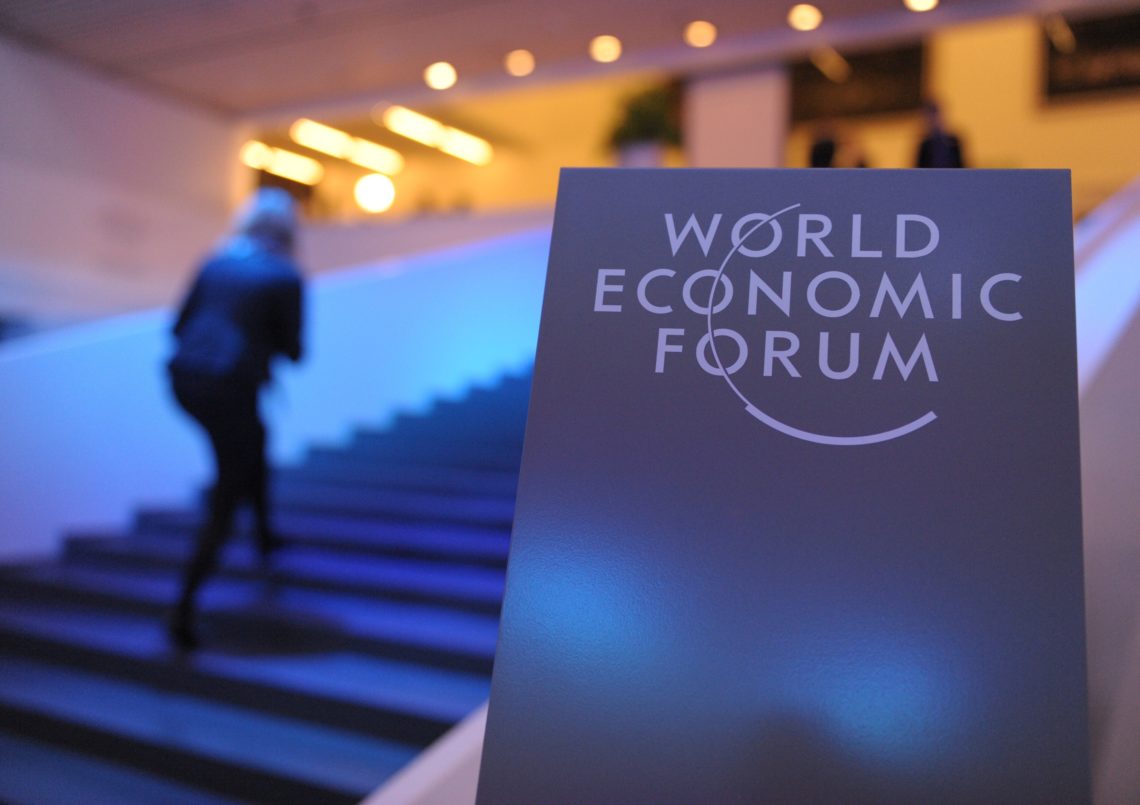
joint appearance of the presidents of Azerbaijan and Armenia at the World
Economic Forum in Davos became an important symbol of profound changes taking
place in the South Caucasus. For the first time since the signing of the peace
agreement, the leaders of the two countries appeared together on one of the
world’s most authoritative international platforms, which in itself signaled a
transition from a logic of confrontation to a search for sustainable forms of
coexistence and cooperation.
The choice of Davos for such a step was far from
accidental. The World Economic Forum traditionally brings together politicians,
investors, and heads of major corporations, creating a space where issues of
security are directly linked to economic development. The presence of the
Azerbaijani and Armenian leaders in this context underscored the main message
of the meeting: peace between Baku and Yerevan is viewed not merely as the end
of a conflict, but as the foundation for a new regional economic model.
During their speeches, the sides deliberately avoided harsh
rhetoric and mutual accusations. Instead, the focus was placed on the future – on
the need to consolidate stability, unblock transport and logistical routes, and
create conditions for attracting investment. Such a tone indicates a gradual
shift from symbolic gestures to pragmatic dialogue oriented toward tangible
results.
Particular attention from forum participants was drawn to
the issue of regional connectivity. The South Caucasus is increasingly seen as
a link between East and West, as well as between North and South. In this
context, Azerbaijan positions itself as a key energy and transport hub, while
Armenia is presented with an opportunity to emerge from years of isolation and
integrate into new economic chains. The peace agreement discussed in Davos thus
becomes not an abstract political document, but a practical instrument for
achieving these objectives.
 President of Azerbaijan Ilham Aliyev described the peace agreement as “a great blessing for Armenia, Azerbaijan, and the South Caucasus”
Equally important was the international impact of the joint
appearance. For external actors – from financial institutions to transnational
corporations – it served as confirmation that the region is ceasing to be perceived
as a zone of chronic instability. The Davos stage was effectively used as a
platform to “reposition” the South Caucasus in the global agenda: from a
territory of conflict to a space of opportunity.
At the same time, the domestic political context should not
be overlooked. For Azerbaijan, the joint appearance confirmed that the achieved
outcomes are being consolidated not only in the military and diplomatic
spheres, but also at the level of international recognition of the new reality.
For the Armenian leadership, participation in this format represents an attempt
to demonstrate to society that a focus on peace and normalization can yield
tangible economic dividends and open development prospects that previously did
not exist.
It is telling that in Davos the leaders of the two
countries acted more as managers than as politicians appealing to emotions. The
restrained, technocratic language emphasized the intention to move the peace
process into a phase of institutionalization – through projects, agreements,
and long-term mechanisms of interaction. This distinguishes the current stage
from previous attempts at settlement, which often stalled at the level of
declarations.
In a broader sense, the Davos meeting also reflects a
gradual reduction in the role of external mediators. The joint appearance of
the presidents signals a desire by Baku and Yerevan to assume greater
responsibility for the future of the region and to build dialogue directly,
based on their own interests and calculations.
Thus, Davos became not just another international venue, but a point of symbolic transition. Peace between Azerbaijan and Armenia has begun to be perceived as a process with economic continuity and strategic dimension. The key question now is not whether peace is possible, but how quickly and effectively it will be institutionalized – through corridors, investments, and sustainable mechanisms of cooperation. The durability of this course will be determined by the implementation of concrete projects and the speed with which political statements are translated into practical results. Nevertheless, the very fact of the joint appearance already indicates that the South Caucasus is entering a new phase – one of cautious, yet deliberate movement forward.


 Latest news
Latest news
Latest newsGeorgia’s Constitutional Court Continues Case on Banning Opposition Parties: Political Pluralism at Stake
12.Oct.2026
Azerbaijan and Iran Step Up Security Contacts Amid Hijab Protests
12.Oct.2026
Personnel Shortages Complicate Ukrainian Forces’ Rotation: Ukraine Faces Long-Term Challenges on the Front Line
11.Oct.2026
Trump Eases Sanctions on Russian Fuel After Talks with Putin: Kyiv Fears Boost to Moscow’s War Revenues
10.Oct.2026
Putin Seeks to Strengthen Russia’s Influence in the Post-Soviet Space Through the CIS
10.Oct.2026
Russia and the South Caucasus: External Pressure, Political Competition and a Crisis of Trust
10.Oct.2026
Peaceful Settlement Between Armenia and Azerbaijan: Moving from Declarations to Implementation
10.Oct.2026
Moldova Ready to Accept as Many Ukrainians as Necessary if Situation Worsens This Winter
09.Oct.2026
Turkmenistan Turns Avaza into a Regional Diplomatic Hub as Caspian, Central Asian and CIS Agendas Converge
08.Oct.2026
Romania Scrambles Spanish F-18s After Aerial Targets Detected Near Ukrainian Border
07.Oct.2026
Berlin Deepens Defence Partnership with Kyiv: Germany to Provide Ukraine with €1 Billion in Military Aid
07.Oct.2026
European Parliament Against Georgian Dream: EU Prepares New Response to Tbilisi
06.Oct.2026
Bulgarian Foreign Minister to Discuss European Security and International Law in the Netherlands
05.Oct.2026
Rheinmetall in Bulgaria: Sofia Emerges as a New NATO Defence-Industrial Hub in the Balkans
05.Oct.2026
The Cost of a Long War: Moscow Expands Spending Plans Through 2029
05.Oct.2026